Xiamen Itinerary: A Complete 2-Day Guide for First-Time Visitors
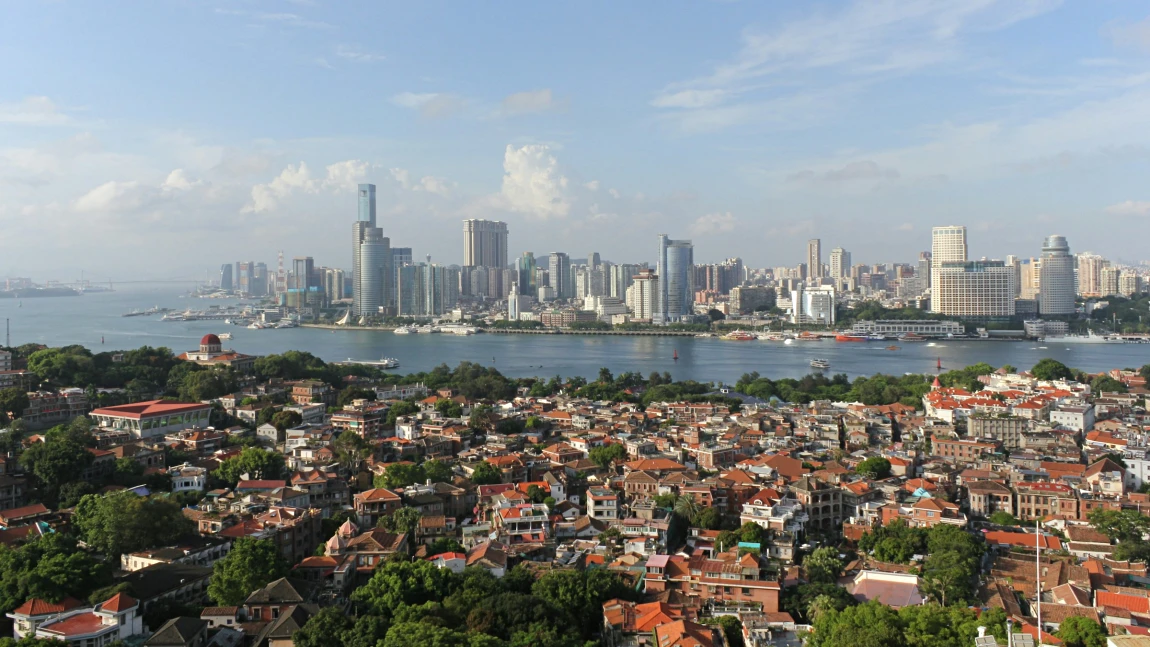
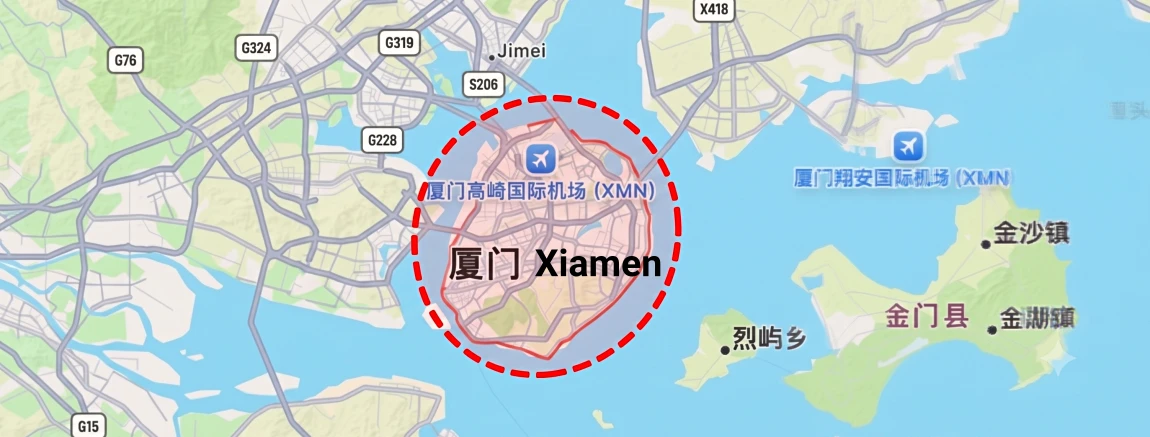
Xiamen is located in southeastern China, with a population of around 5.3 million. It is considered a second-tier city in China. Well-known companies based here include Luckin Coffee and ANTA Sports (which owns brands like Arc’teryx and Salomon). The city is divided into two parts: the island and the mainland. Most tourist attractions are on the island.
For most international visitors, Xiamen’s attractions may not be famous enough to justify a trip on their own. However, thanks to its many international flight connections, Xiamen is a convenient gateway city to China. It’s a great place to stay for 1–2 days as a stopover before heading to your next destination.
When to visit:
Late October to November is the best time to visit. The average temperature is around 18–28°C (64–82°F), with pleasant weather, less rain, and fewer tourists. Avoid the National Day holiday (October 1–7), when domestic travel peaks and popular attractions get extremely crowded.
December to February is the second-best period. Average temperatures range from 10–20°C (50–68°F). It can feel chilling when it’s windy, especially along the coast.
March and April are also comfortable, with average temperatures of 15–26°C (59–79°F). However, expect occasional light rain and fog.
From May onward, rainfall increases. June to September is hot and humid, and it’s also typhoon season, making it the least ideal time to visit.
Try to avoid China’s public holidays, when tourist sites can become very crowded.
 by Stephan HK
Where to Stay in Xiamen
If you plan to stay for just one day in Xiamen before flying to your next destination, staying near the airport is your most convenient option. (Note: “The airport” here refers to Xiamen Gaoqi International Airport, which is scheduled to close at the end of December 2026.) The following two hotels are very close to the airport. Both are within a 10-minute walk from Terminal 3 and offer free airport shuttle services.
- 4-star hotel, rated 9.8/10 with 3,500+ reviews

- 4-star hotel, rated 9.6/10 with 4,800+ reviews
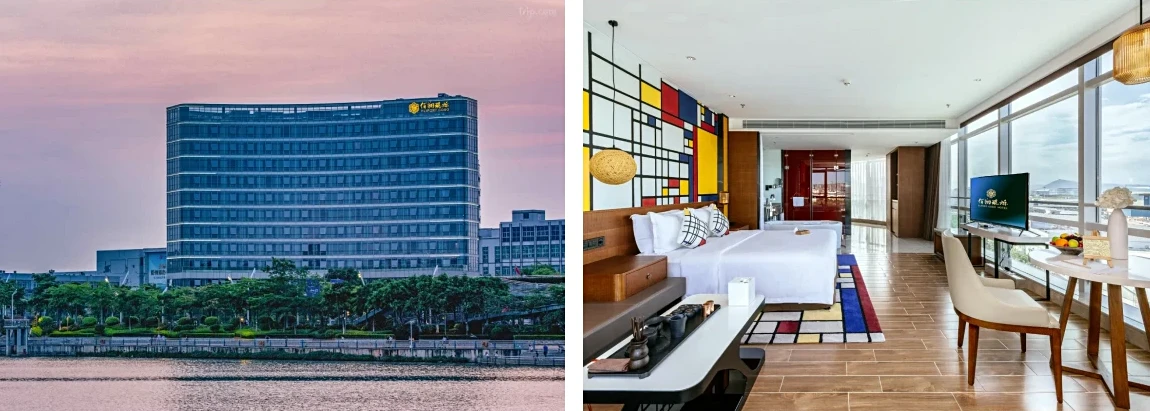
If you plan to spend two days in Xiamen and continue your trip by train, staying near Xiamen Railway Station is a better choice. This area is especially convenient if you want to take a day trip to Quanzhou. There is also a large shopping mall about 2 km away, making it a great spot for dinner and exploring the city at night.
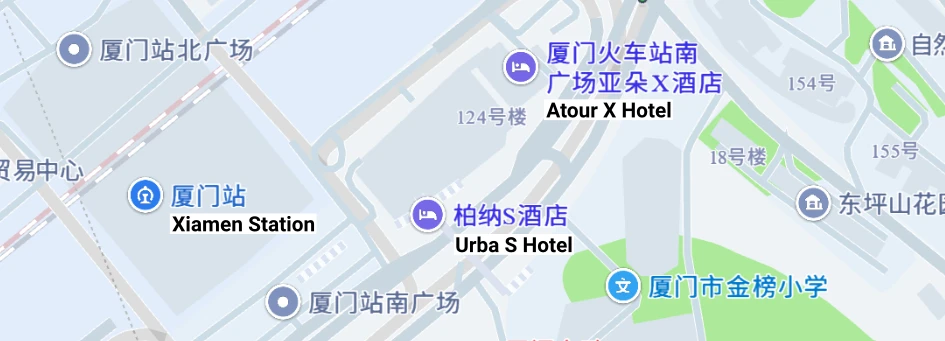
Atour X Hotel, South Square of Xiamen Railway Station
- 4-star hotel, rated 9.7/10 with 2,500+ reviews
- About a 5-minute walk from Xiamen Railway Station
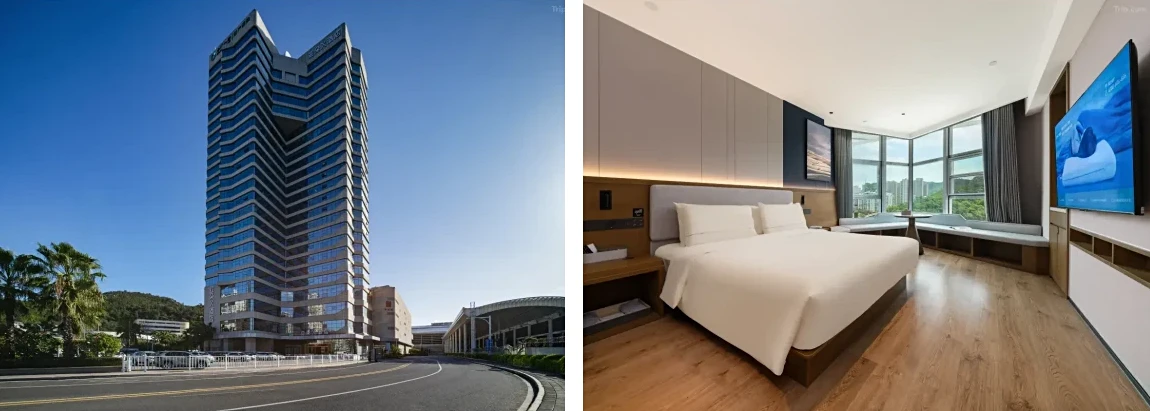
Urba S Hotel (Xiamen Railway Station South Square Branch)
- 4-star hotel, rated 9.6/10 with 1,300+ reviews
- Just a 3-minute walk away: exit from the station’s South Square, turn left, and walk about 100 meters.

Getting from Xiamen Airport to the City Center
Important Note: Starting from late December 2026, Xiamen’s flights will move to the newly built Xiamen Xiang’an International Airport, located about 35 km from the city center (a 50-minute drive). At that time, Xiamen Gaoqi International Airport (XMN) will cease operations.
The following guide applies to the currently operating Xiamen Gaoqi International Airport (XMN): Located on Xiamen Island, Gaoqi Airport is about 10 km from downtown. It has two main terminals:
- Terminal 3: Serves all international/regional flights and select domestic airlines.
- Terminal 4: Serves domestic flights only.
- A free shuttle bus connects the two terminals, taking about 10 minutes.
Best Way to Downtown: Ride-Hailing (DiDi / Taxi Apps)
- How to catch one: Follow the English airport signs to the designated ride-hailing pickup area.
- Cost & Time: A ride to downtown usually takes 20–30 minutes and costs around 40–60 RMB.
- The airport does not have a direct metro/subway connection. While regular taxis are available, ride-hailing services are generally recommended for better vehicle condition and service quality.
Traveling from Xiamen to Other Chinese Cities
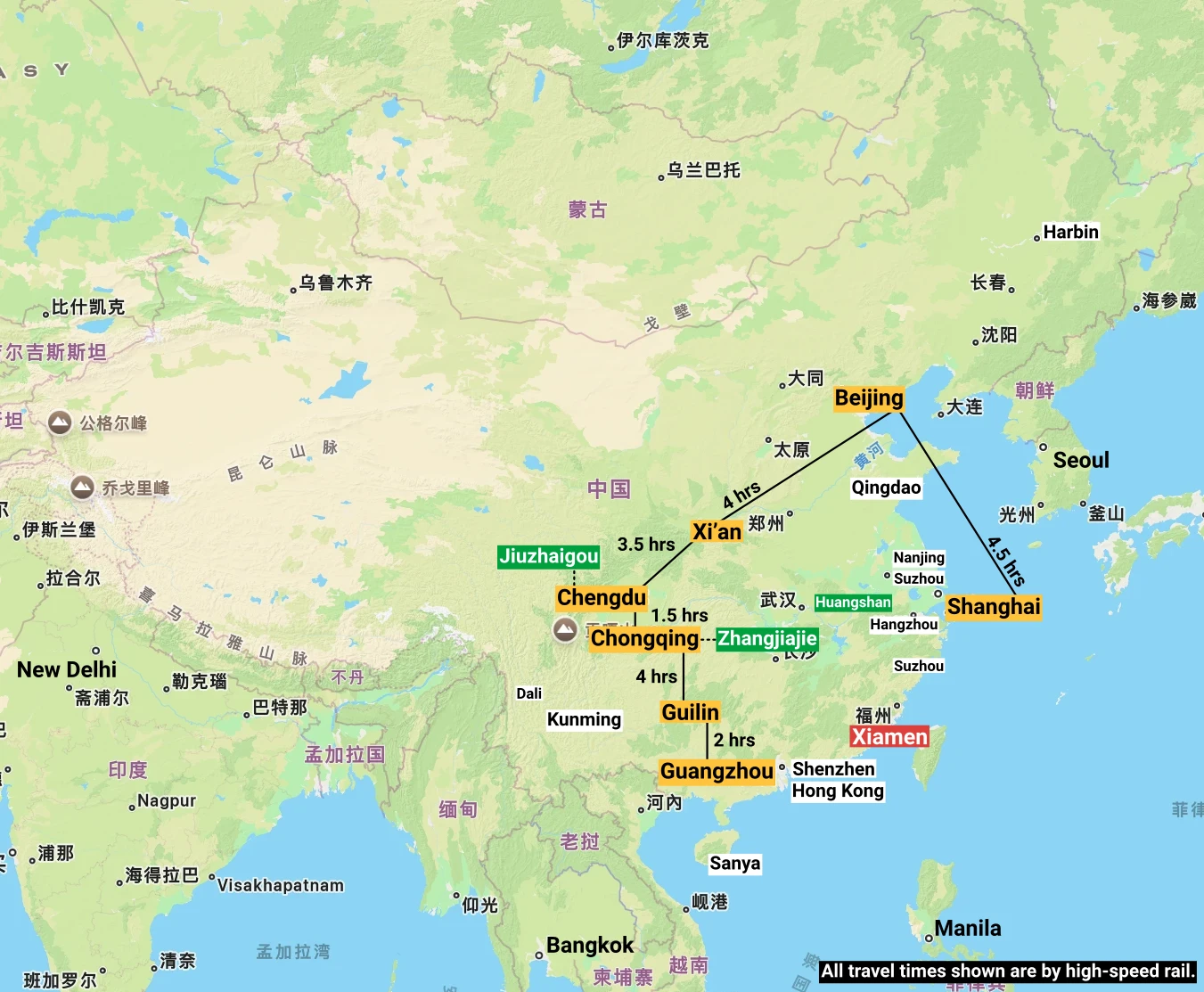
| To | Distance | Flight Time | Train Time | Recommendation |
|---|---|---|---|---|
| Shenzhen | 580 km | - | 3.5 hrs | High-Speed Rail |
| Guangzhou | 650 km | 1.5 hrs | 4 hrs | High-Speed Rail |
| Hangzhou | 850 km | 1.5 hrs | 6.5 hrs | Flight |
| Guilin | 1,020 km | 2 hrs | - | Flight |
| Shanghai | 1,040 km | 2 hrs | 7 hrs | Flight |
| Zhangjiajie | 1,200 km | 2 hrs | - | Flight |
| Chongqing | 1,700 km | 2.5 hrs | 12.5 hrs | Flight |
| Chengdu | 2,000 km | 3 hrs | 14 hrs | Flight |
| Beijing | 2,000 km | 3 hrs | 11 hrs | Flight |
Xiamen’s Two Railway Stations
Xiamen Railway Station (厦门站)
- Pros: Located right in the city center, making it the most convenient option for most travelers.
- Cons: Has fewer train services, mainly covering nearby destinations and a few major cities.
Xiamen North Railway Station (厦门北站 / Xiamenbei)
- Pros: The main high-speed rail hub in Fujian Province, with frequent bullet trains to cities all over China.
- Cons: Located on the mainland, about 30 km from downtown (around a 50-minute drive or metro ride).
Xiamen Itinerary & Getting Around
Sample Itinerary
If you have half a day: Visiting Gulangyu Island is the top choice.
If you only have an evening: Zhongshan Road Pedestrian Street is your best option. If the weather is bad, head to MixC Shopping Mall instead.
If you have 2 full days:
- Day 1:
- Morning: Walk along a section of the Xiamen Mountain-to-Sea Trail.
- Afternoon: Visit Gulangyu Island (Note: Book ferry tickets in advance!).
- Day 2:
- Take a high-speed train for a day trip to Quanzhou, a historic city with a rich, traditional Chinese atmosphere.
- Day 1:
Map of Xiamen Attractions: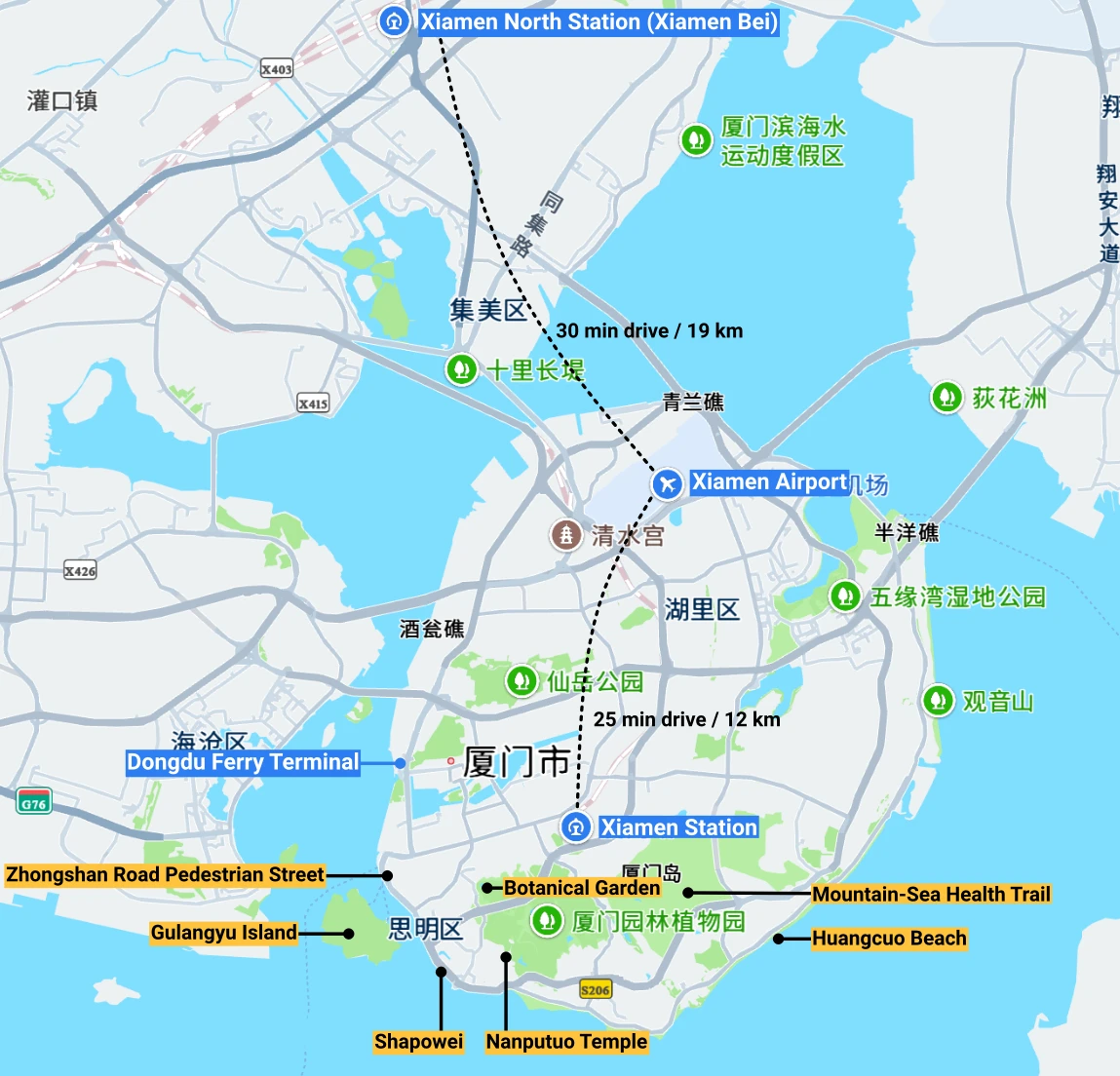
Getting Around Xiamen:
- DiDi (Ride-hailing): The easiest and most convenient way to get around Xiamen.
- Metro: Xiamen’s metro network is somewhat limited, so it isn’t as convenient for reaching key tourist spots.
- Rush Hour Tip: Try to avoid traveling between 7:00–9:00 AM and 5:30–7:00 PM. Roads and metro stations get extremely crowded with commuters during these hours.
Top Attractions in Xiamen
Gulangyu Island
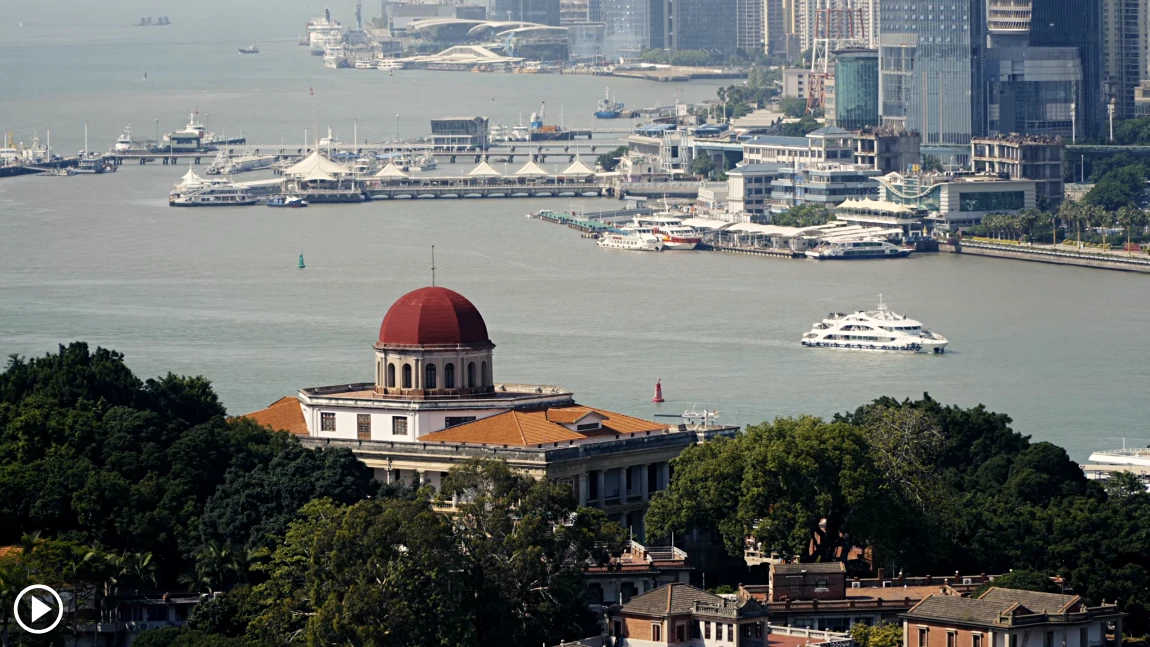
Gulangyu Island is a small island located just off the coast of Xiamen Island. Covering an area of about 1.88 square kilometers, the island has a 6-kilometer coastal walking trail and is famous for its diverse architectural styles and artistic atmosphere.
What makes Gulangyu special?
- Gulangyu was once a foreign concession, and at one point, 13 countries had consulates on the island.
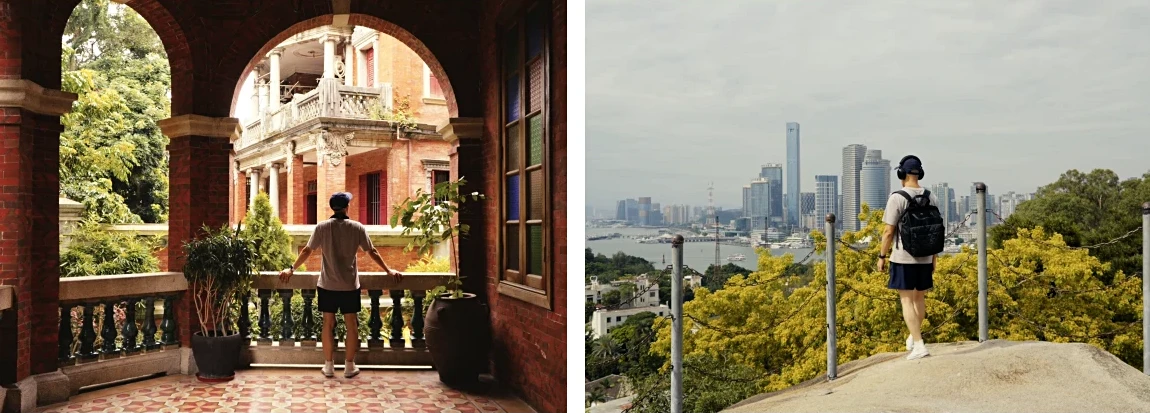
- The island has nearly 1,000 historic buildings in more than 50 architectural styles. In 2017, it was listed as a UNESCO World Cultural Heritage Site.
- The island has narrow streets and many slopes. Residents rely almost entirely on walking for daily transportation, while goods are delivered using small carts. The only vehicles allowed on the island are small ambulances, fire motorcycles, police patrol vehicles, and sightseeing vehicles for tourists. The sightseeing vehicles cost 50 RMB, but they have limited stops and often involve long waiting times, so they are not recommended.
- Around 16,000 people live on the island, including about 9,000 original residents. The rest mainly work in shops, guesthouses, and tourism-related businesses. The island still has daily facilities such as markets, supermarkets, convenience stores, schools, and hospitals.
- In the past, almost every household on Gulangyu owned a piano. Visitors could often hear piano music while walking around, which earned the island the nickname “Piano Island.”
- Living on a small island sounds romantic, but daily life has many challenges. Many old houses do not have elevators, the local hospital does not have operating rooms, schools only cover primary and middle school education, prices are higher than on Xiamen Island, and transportation depends entirely on ferries. Ferry services may stop during storms, so more and more local residents have moved away to live on the mainland.
How long to spend: 2–4 hours
How to explore:
- The best way to visit Gulangyu is to simply walk around and explore at your own pace.
- Restaurants and local snacks are mainly concentrated around Longtou Road Commercial Street 龙头路商业街.
- The island has two highly rated paid attractions:
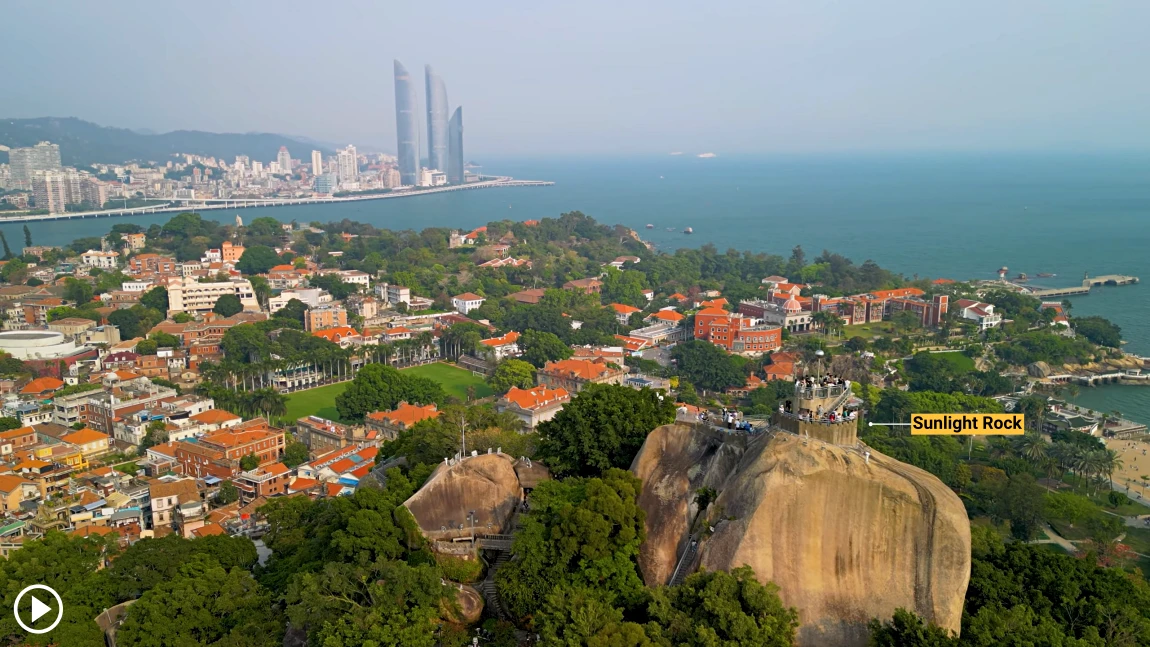
Sunlight Rock (Riguang Rock 日光岩)
- The highest point on Gulangyu Island, at 92.7 meters above sea level
- Takes about 20 minutes to climb to the top
- Entrance fee: 50 RMB
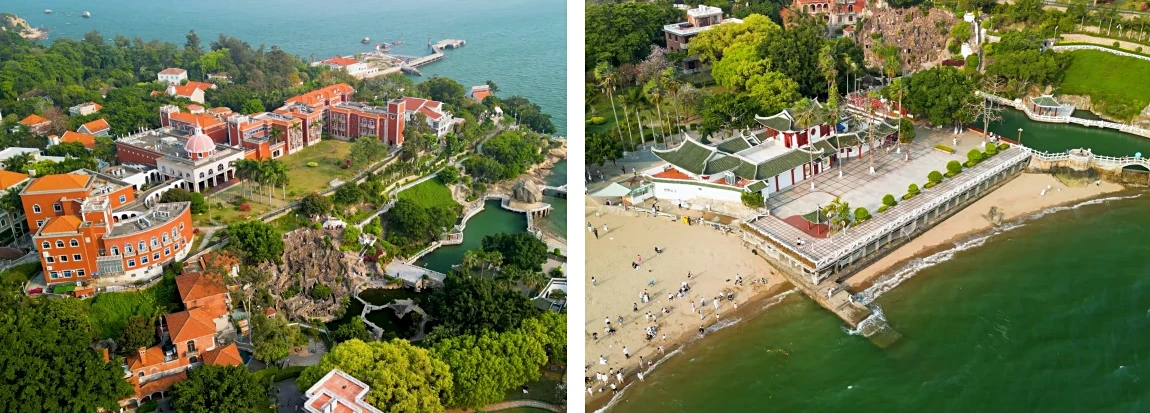
Shuzhuang Garden 菽庄花园
- A former private garden
- Entrance fee: 30 RMB
- Although small in size, it is elegant and unique. It also houses a Piano Museum.
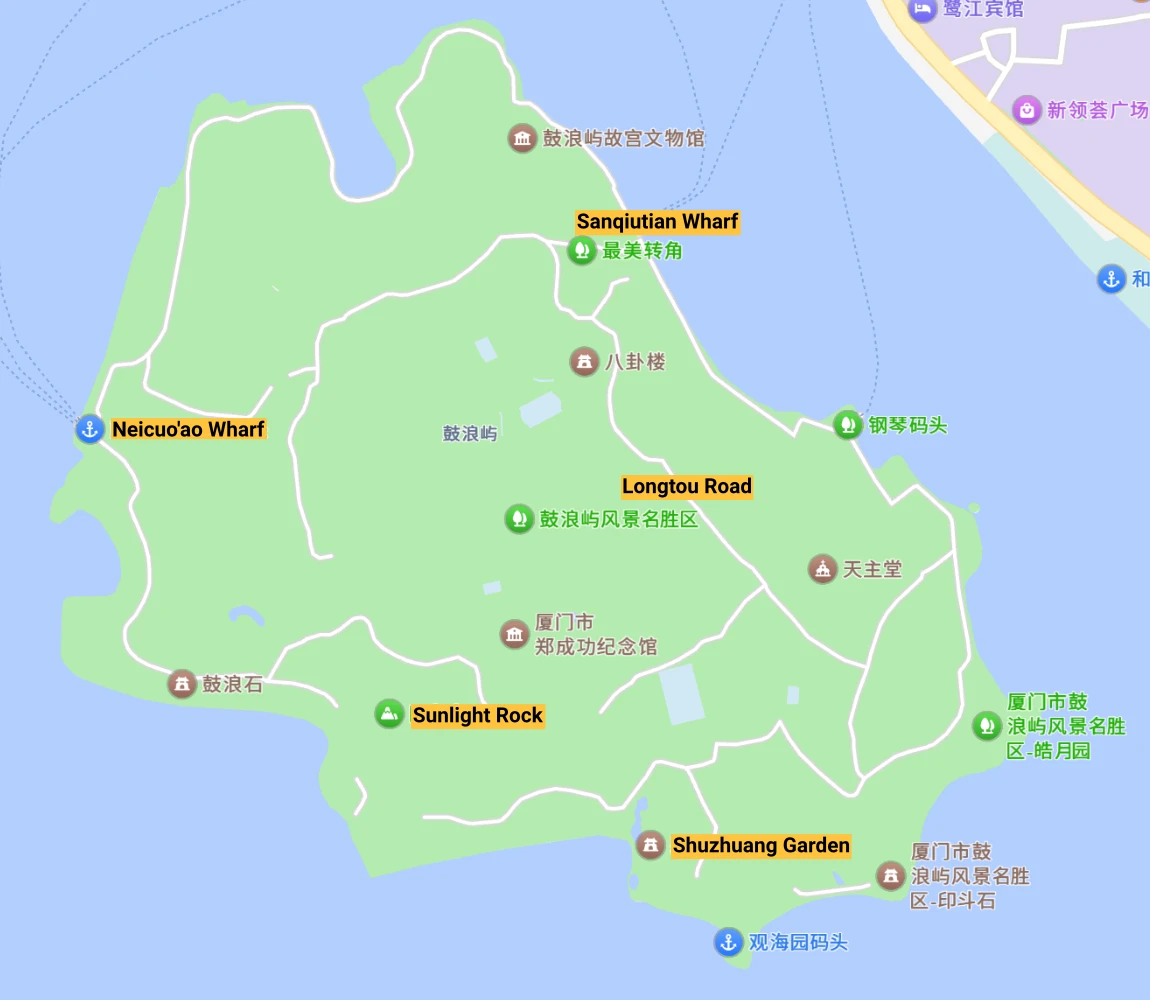
Travel Tip: Do not underestimate Xiamen’s summer heat and strong sunlight. My first visit to Gulangyu was in summer, and the heat made it difficult to enjoy exploring the island. My second visit was in winter, when I could slowly walk around and truly appreciate its charm.
Transportation:
- From downtown Xiamen:
- Take a ride-hailing car to “Dongdu Ferry Terminal Departure Floor 东渡客运码头出发层”
- Or take Metro Line 2 to Cruise Center Station 邮轮中心, Exit 6, then walk about 8 minutes
- Take a ferry to one of Gulangyu’s two main piers:
- Sanqiutian Wharf 三丘田码头: about one ferry every 20 minutes
- Neicuo’ao Wharf 内厝澳码头: about one ferry every hour
- Ferry journey time: 15–20 minutes
- Ticket options:
- Regular ferry: 35 RMB round trip, Seats are limited. During peak seasons, it can feel like taking a crowded subway.
- Premium ferry: 80 RMB round trip, Same route as the regular ferry, but with air conditioning and fewer passengers. However, during busy periods, seats may still be unavailable.
You can buy tickets at the pier, but the 35 RMB tickets often sell out quickly. The 80 RMB tickets are usually easier to get, but booking in advance on Trip.com is recommended
For the return trip:
- There is no fixed return time. You can take any ferry back to Xiamen Island.
- Ferries operate until before midnight.
- Before 6:00 PM, ferries usually return to Dongdu Ferry Terminal.
- After 6:00 PM, ferries usually return to Xiamen Ferry Terminal, which is also located in downtown Xiamen.
Watch: 俯瞰鼓浪屿航拍
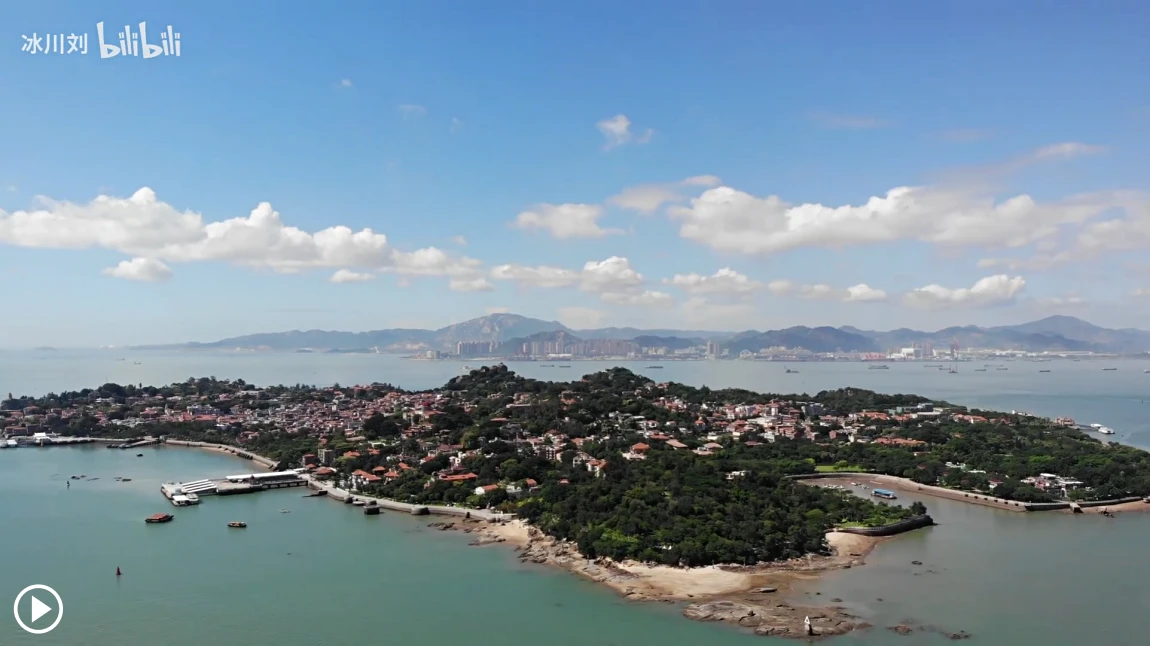
Watch: The Most Famous Island of Xiamen
Watch: A Quiet Summer Afternoon on Gulangyu Island
Shapowei Art Zone
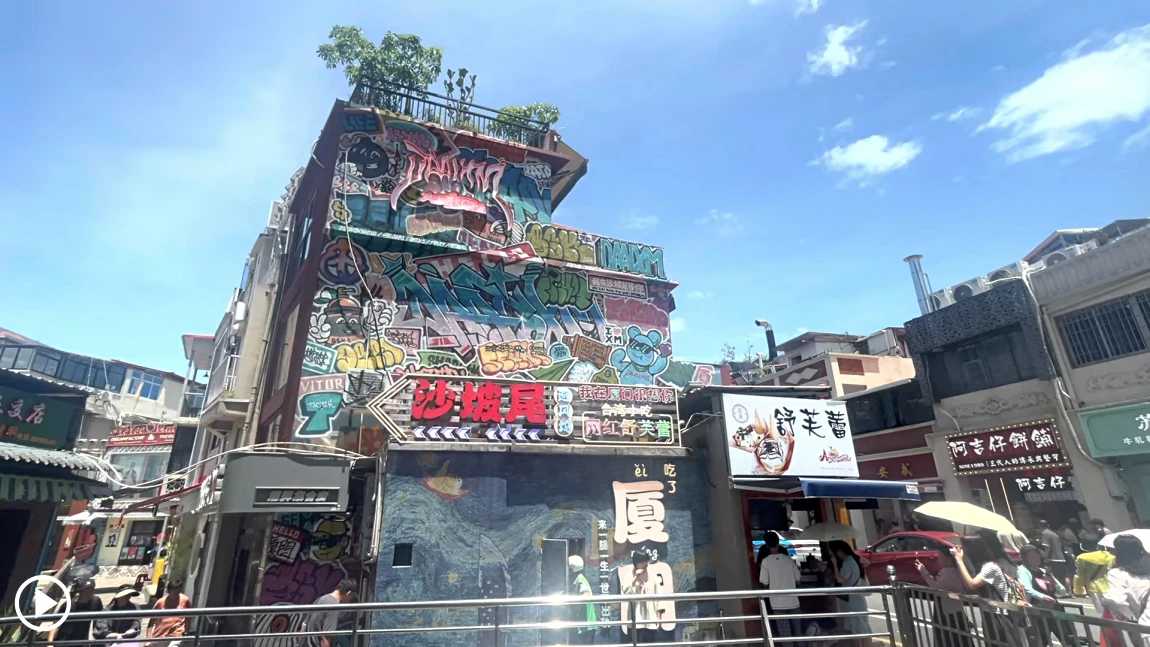
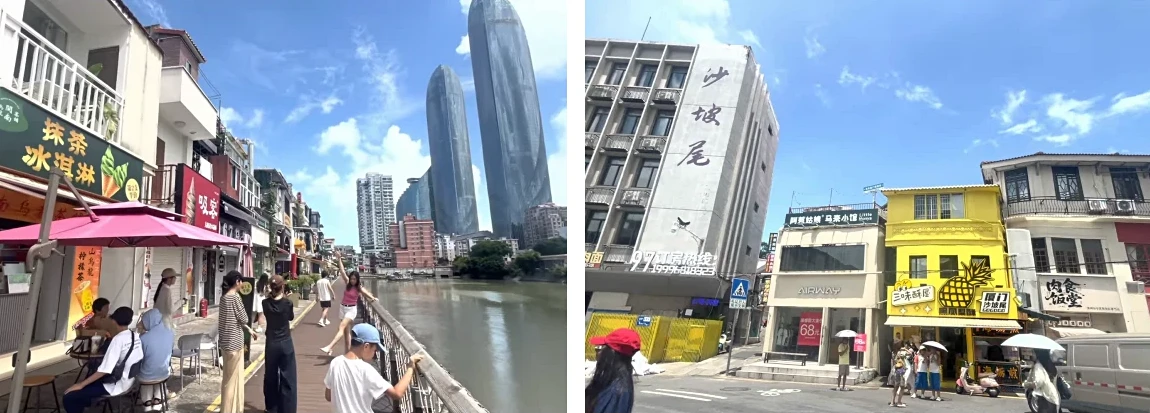
Shapowei is a historic shelter canal and fishing port with over a century of history. Since 2015, it has gradually transformed into an artsy, hipster neighborhood. Today, visitors can explore creative shops and cafés while taking in views of old fishing boats, traditional residential buildings with laundry hanging outside, and modern skyscrapers rising in the background. The overall atmosphere is a unique mix of old and new—a bit chaotic, but full of character.
Note: Shapowei is quite small. If you aren’t interested in boutique shops, cafés, or creative spaces, you might find it a bit run-down or uninteresting.
Recommended Time: 30 minutes – 1 hour
How to Explore:
- Best Time to Visit: Few shops open in the morning. The area becomes much more lively from late afternoon into the evening.
- Walking Route:
- Start at Art West District (艺术西区), a creative park converted from a former cold storage factory that now features art studios and handmade craft markets.
- From there, head toward ENSEMBLE 191 (a clothing store at the end of the street). The whole walk is about 500 meters, lined with small shops, cafés, and eateries on both sides.
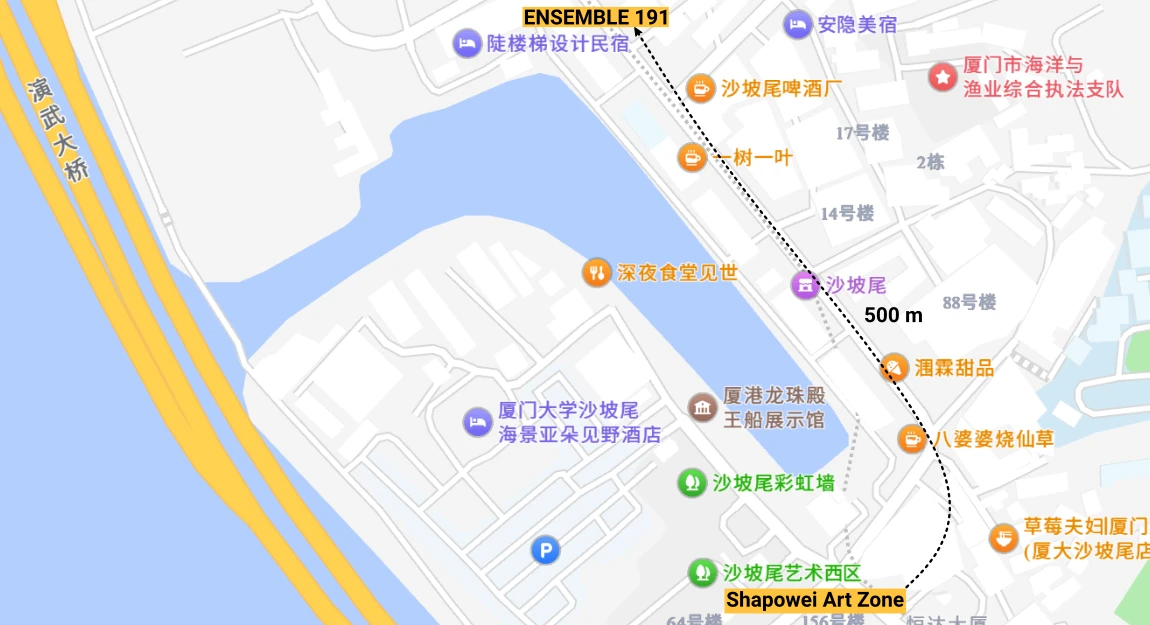
Transportation: By DiDi / Ride-hailing: Set your destination to “Shapowei Art West District” (沙坡尾艺术西区).
Watch: 航拍厦门沙坡尾,网红景区,藏在闹市里的避风坞

Watch: I Visited this Unique Art District in Xiamen, China
Nanputuo Temple
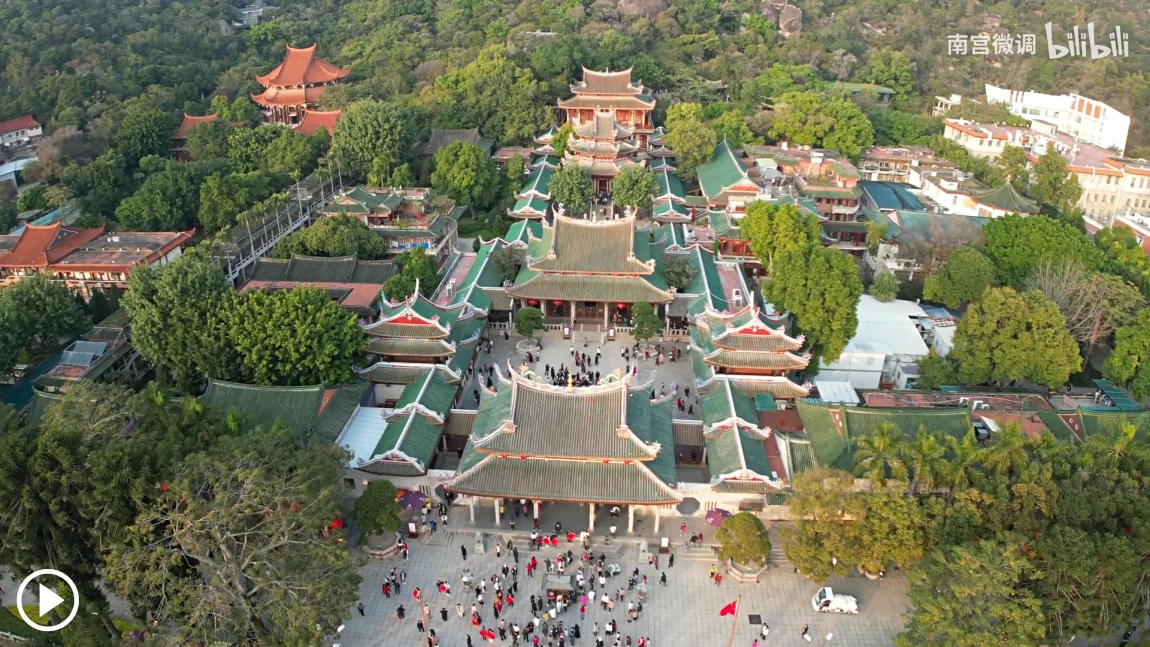
Founded during the Tang Dynasty, Nanputuo Temple has a history of over 1,000 years. It is dedicated primarily to Guanyin (the Goddess of Mercy) and is the most active and popular Buddhist temple in Xiamen.
Opening Hours: 8:00 AM – 6:00 PM
Admission: Free
Recommended Time: 1 hour
How to Visit:
Incense Offering: After entering, each visitor can receive one free stick of incense to offer prayers. You can simply watch and follow what the locals do. When extinguishing the flame, gently wave the stick—do not blow on it with your mouth, as this is considered disrespectful in Buddhist tradition.
Vegetarian Dining: You can try traditional Buddhist vegetarian meals inside the temple:
- Haihui Building (海会楼): Vegetarian noodle soup (around 30 RMB/person).
- Puzhao Building (普照楼): Vegetarian buffet (89 RMB/person on weekdays; 108 RMB on weekends).
Entry Note: While domestic visitors must book via WeChat, international visitors can simply show their passports at the entrance to enter.
Transportation & Logistics:
- By DiDi / Ride-hailing: Set your destination to “Nanputuo Temple East Gate” (南普陀寺东山门). There is no nearby metro station.
- Nearby Walk: It is only 1 km (about a 14-minute walk) from Shapowei, making it super easy to visit both on the same trip.
Watch: 厦门南普陀寺
Watch: Learn about Nanputuo Temple in Xiamen
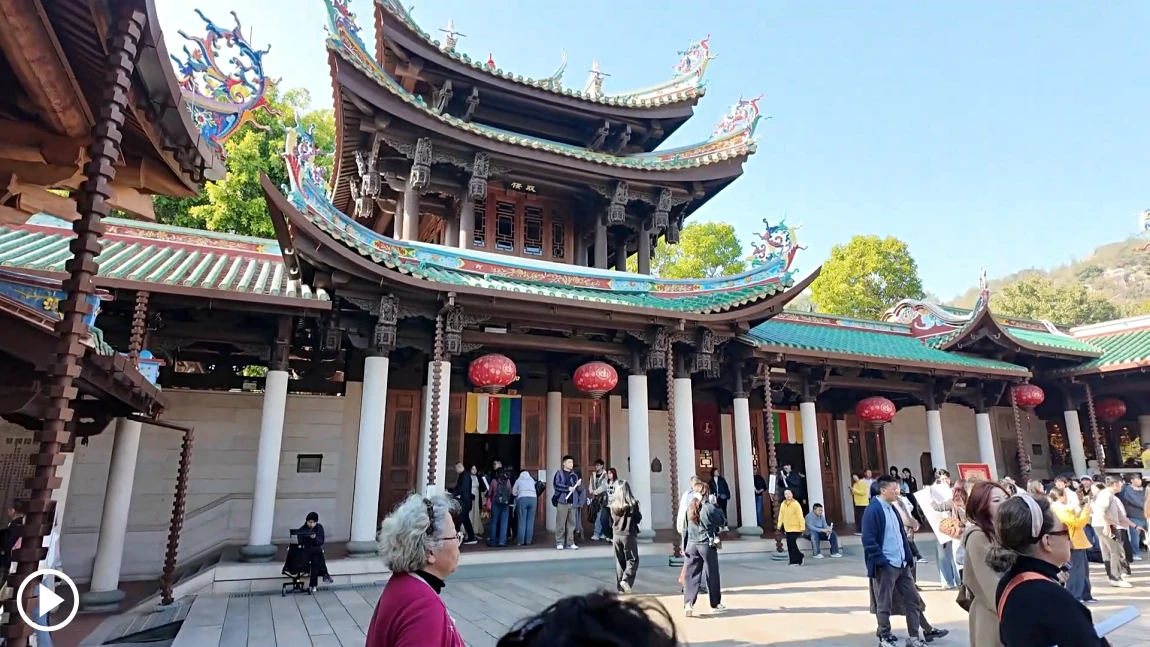
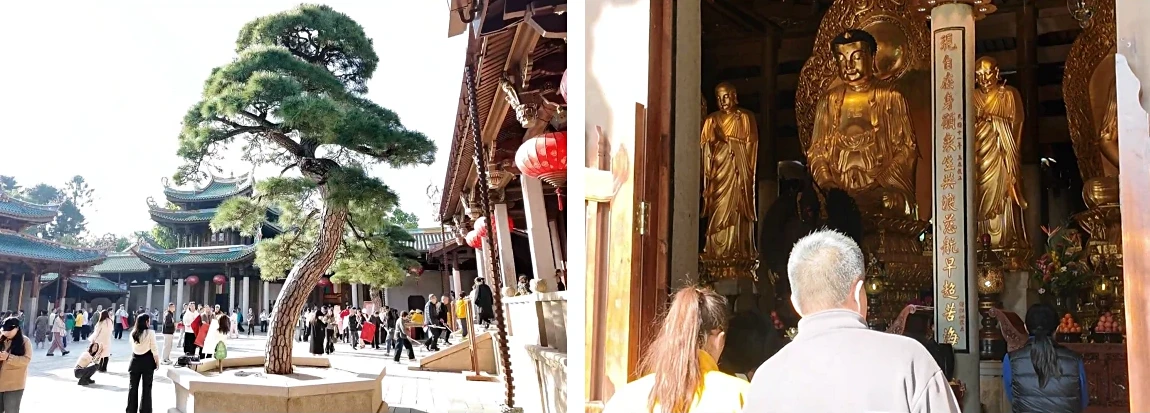
Who is Guanyin?
In Chinese Buddhist tradition, countless worlds exist across time and space, each with its own Buddha. Guanyin is a Bodhisattva—an enlightened being who chooses to remain in our world to help others rather than achieving final Nirvana. According to tradition, Guanyin takes on many forms to relieve suffering and guide people toward compassion. Even today, Guanyin remains one of the most beloved spiritual figures in China.
Zhongshan Road Pedestrian Street
Zhongshan Road is a 1.2 km pedestrian street that leads directly to the waterfront. Both sides of the street are lined with classic Shikumen/Shophouse-style arcade buildings (known as Tong Lau or Sino-Portuguese architecture), featuring shops on the ground floor and residential spaces above. Today, this street caters mostly to tourists—local residents are more likely to shop and dine at modern malls like MixC.
Famous Old-School Restaurant:
- Huang Ze He Peanut Soup (黄则和花生汤店): Operating for over 80 years, this iconic local spot is best known for its sweet peanut soup, as well as traditional dim sum and pastries. Prices are very affordable, making it a favorite among visitors.
Opening Hours: Most shops open around 9:30–10:00 AM and close around 10:00 PM. Transportation:
By DiDi / Ride-hailing: Set your destination to “Lujiang Hotel” (鹭江宾馆)—it places you right at the entrance near the seafront.
By Metro: Line 1 to Zhenhai Road Station (镇海路站), Exit 3B, then walk about 5 minutes.
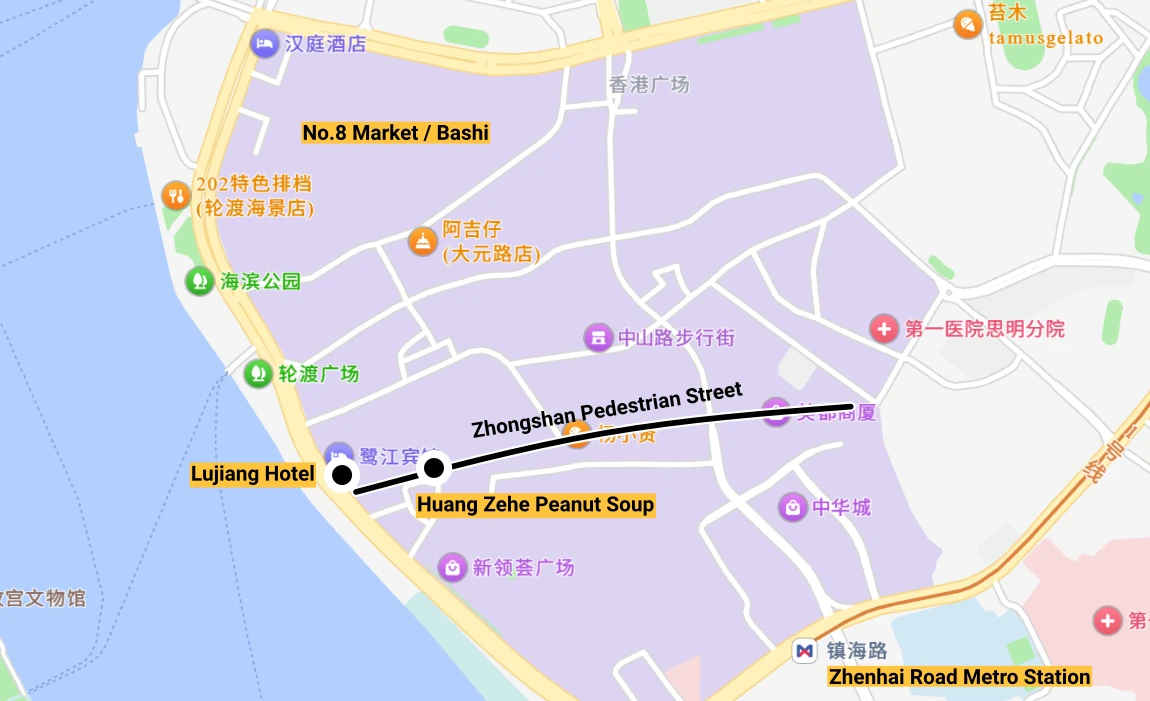
Watch: 俯瞰厦门中山路

Watch: Xiamen City Walk Tour 4K|Pedestrian Stree
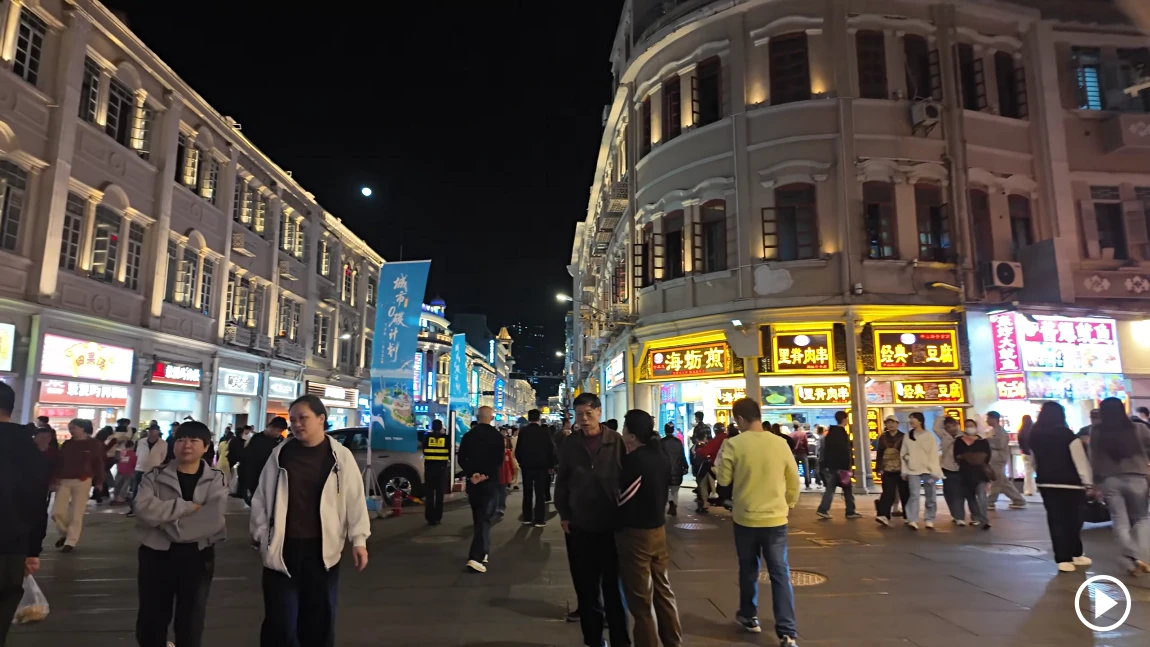
Bashi Seafood Market (八市)
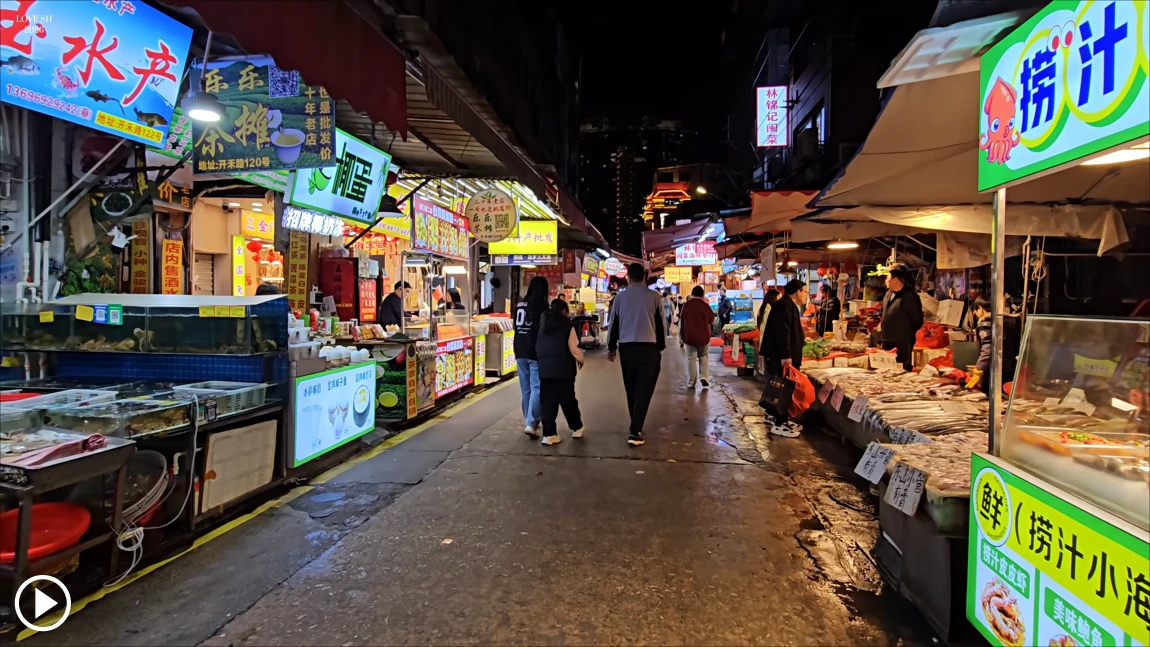
Bashi was historically a traditional wet market for local seafood and produce. While it still retains a lively atmosphere, it now attracts far more tourists than locals.
- What to do: It’s a great spot to soak in the bustling street food vibe and try cheap local snacks.
- Insider Tip: Avoid having seafood meals here. Prices are heavily marked up for tourists, and locals rarely eat seafood in this market anymore.
Watch: Xiamen Bashi Seafood Market: A Must-Visit Food Paradise for Xiamen Travel

Xiamen Mountain-to-Sea Trail
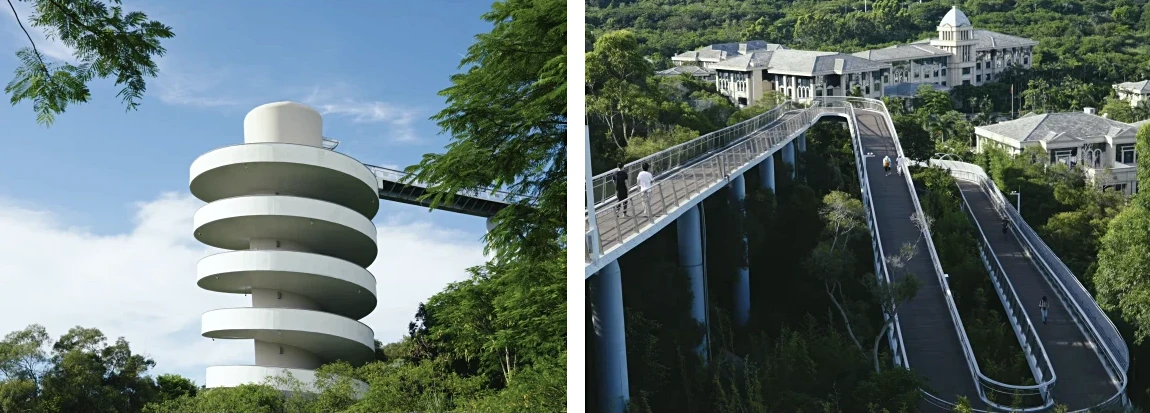
The Xiamen Mountain-to-Sea Trail is a 54 km elevated walking network with dozens of access points. It is one of the most popular scenic walking routes for locals to enjoy nature and panoramic city views.
Opening Hours: Open 24/7
Admission: Free
Recommended Time: 2 hours
How to Explore:
Best Route: Most visitors start at Entrance D15 and walk about 5 km to Tianquan Trail Plaza (天泉步道广场). This section takes around 2 hours and offers diverse scenery. Since it’s mostly a gentle downhill walk, it’s not physically demanding at all.
Facilities: Clear English and Chinese signage is available throughout the trail. Restrooms and drink vending machines are conveniently located at regular intervals.
Beat the Heat: In summer, the trail gets very hot due to limited shade. It is strongly recommended to visit after 5:00 PM when the sun is lower and temperatures drop.
Transportation: By DiDi / Ride-hailing: Set your destination to “Xiamen Mountain-to-Sea Trail Linhai Line Entrance D15” (厦门山海健康步道林海线D15出入口).
Watch: Xiamen Mountains-to-Sea Trail invites visitors to stroll through picturesque scenery

Watch: Walking on a Matcha Forest Ribbon! Xiamen Mountain-to-Sea Trail 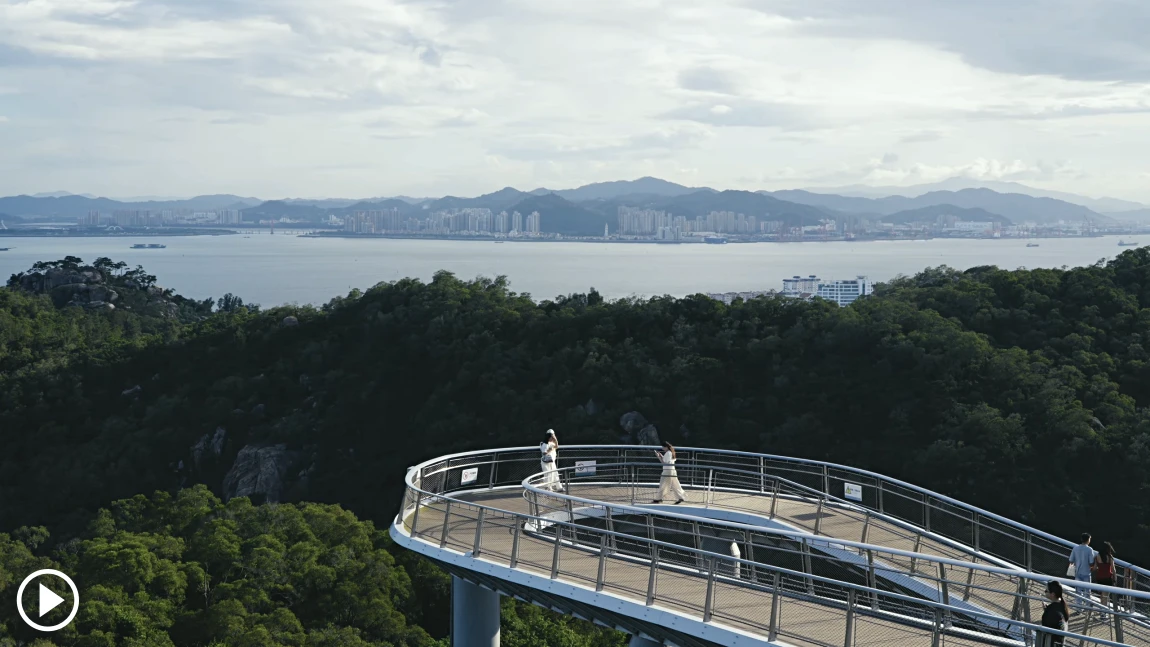
Xiamen Botanical Garden
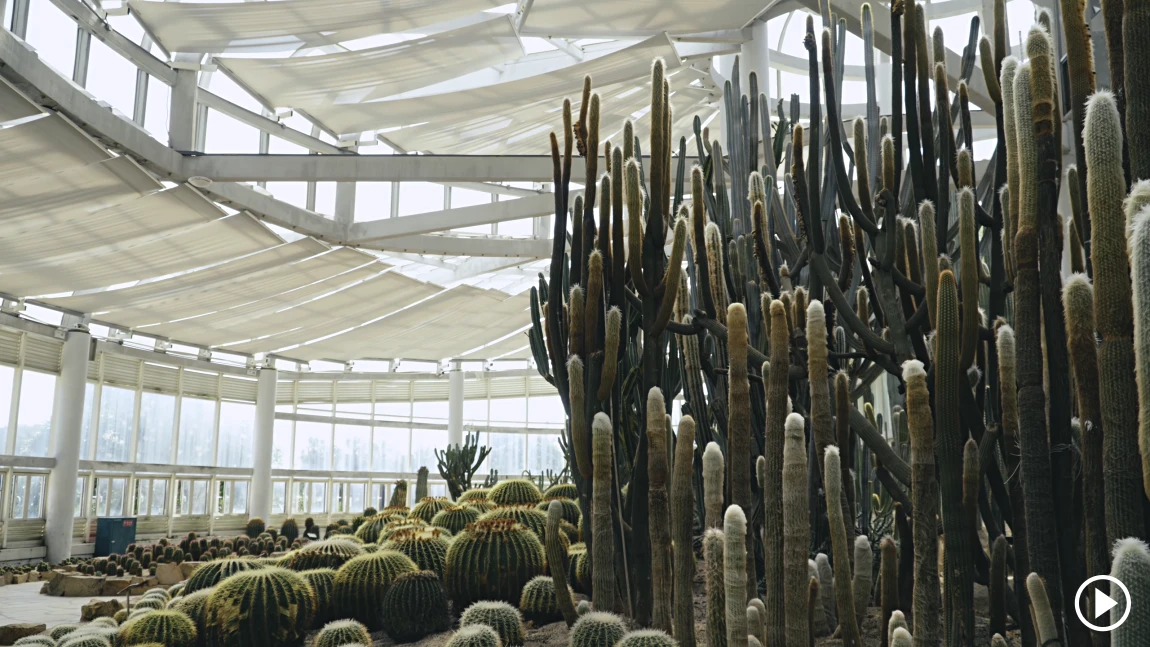
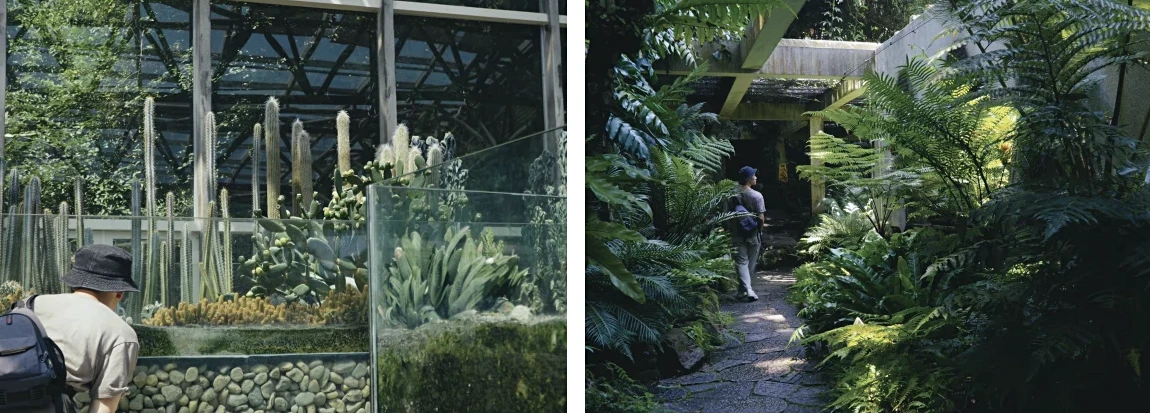
Established in 1960, Xiamen Botanical Garden is world-renowned for its massive collection of desert plants and cacti, as well as its misty rainforest zone.
Opening Hours: 6:30 AM – 6:00 PM
Admission: 30 RMB (Tickets can be booked in advance via Trip.com)
Recommended Time: 2–3 hours
How to Explore:
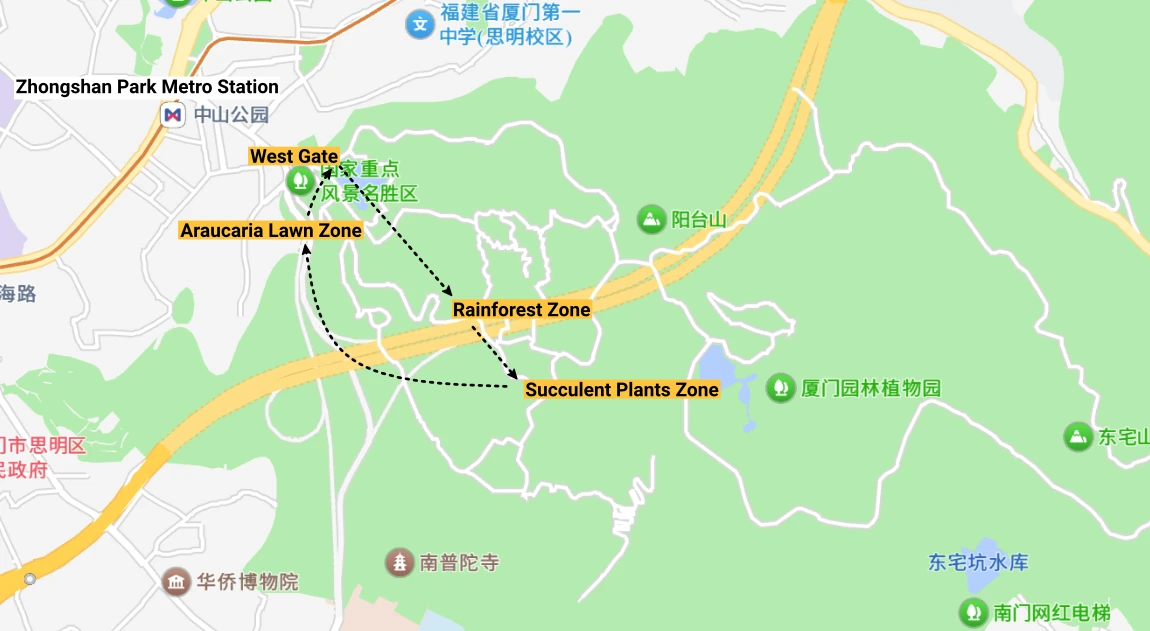
The garden is enormous with multiple entrances. The best and most classic route is to enter through the West Gate (西门), visit the key highlights, and loop back:
Rainforest Zone (雨林世界): Famous for its mystical, mist-filled landscape.
Succulent Zone (多肉植物区): Home to over 3,000 species of giant cacti and succulents.
Araucaria Lawn Zone (南洋杉草坪): A huge, lush green lawn perfect for photos and a quick break.
Return and exit via the West Gate.
Misting Schedule for the Rainforest Area: The artificial mist makes the rainforest look like a fairytale, so try to time your visit around these hours: May 1 – October 7: 9:30–11:30 AM & 2:30–4:30 PM October 8 – April 30: 9:00–11:00 AM & 2:00–4:00 PM
Personal Tip: Xiamen summers get scorching hot. The Succulent Area has very little shade, and inside the glass greenhouses, it feels like an oven! Visit early in the morning, bring plenty of water, and wear sunscreen.
Transportation:
- By DiDi / Ride-hailing: Set your destination to “Xiamen Botanical Garden West Gate” (厦门园林植物园西门).
- By Metro: Line 1 to Zhongshan Park Station (中山公园站), Exit 4, then walk about 8 minutes.
Watch: Escaping the City Heat: A Half-Day Vlog of a 40°C Summer Oasis
Beaches in Xiamen
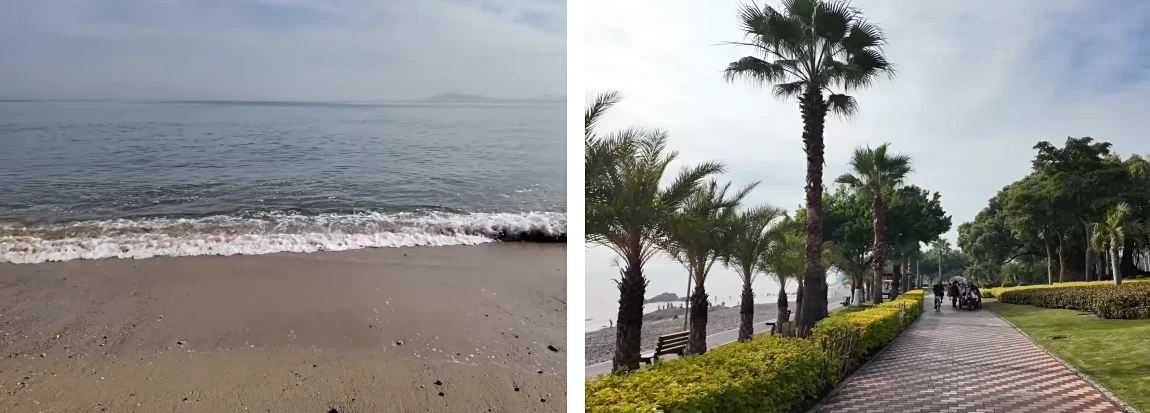
Because Xiamen Island sits inside a semi-enclosed bay, water circulation with the open ocean is relatively slow. In addition, nearby rivers carry upstream sediment straight into the bay. The high concentration of fine sediment leaves the coastal water looking grayish-yellow and murky. As a result, Xiamen’s beaches are not worth a dedicated visit if you are looking for crystal-clear blue water.
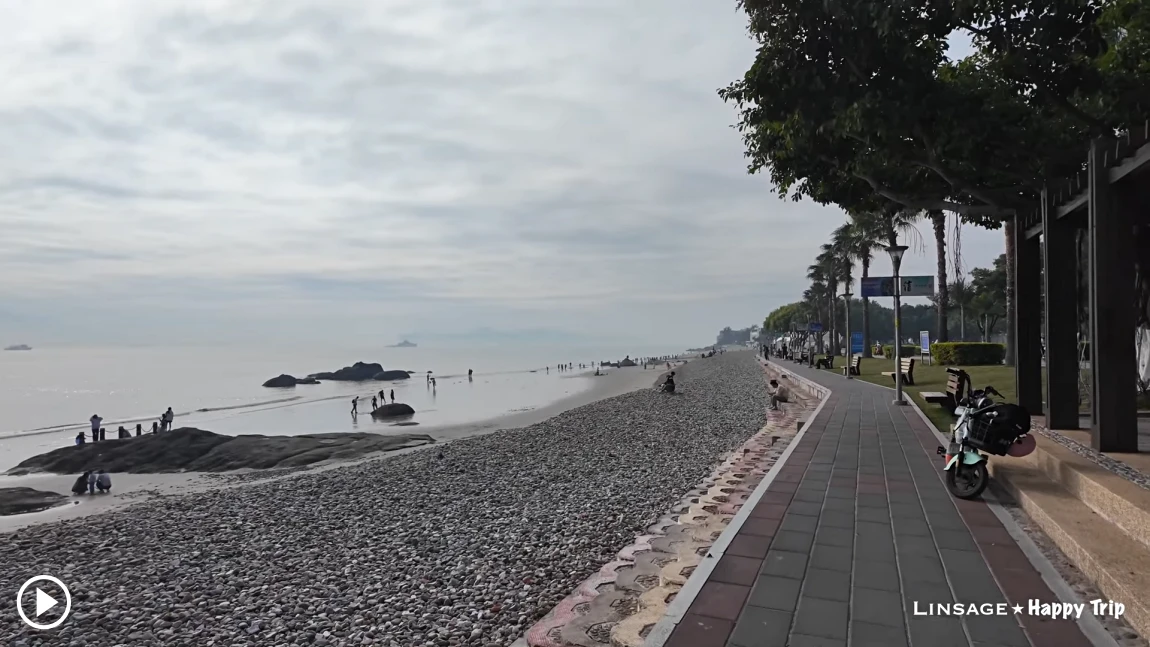
Note: If you just want to take a stroll along the shore and enjoy the sea breeze, Huangcuo Beach (黄厝海滩) is your best option. Located on the southeastern coast of Xiamen Island, it faces more open water and stays relatively cleaner than other beaches in the city.
Watch: Xiamen China| 4K Xiamen Huangcuo Beach Walking Vlog
Attractions Around Xiamen

Fujian Tulou (Earth Buildings)
Fujian Tulou are unique architectural structures built by the Hakka and Minnan people using rammed earth and timber. They were originally designed for communal living among extended family clans and for defense against bandits and wild animals.
Most tulou are either round or square, with a practical vertical layout: 1st Floor: Kitchens and dining areas 2nd Floor: Food storage and supplies 3rd Floor & Above: Bedrooms
Fujian Province has over 3,700 tulou, with 46 designated as UNESCO World Heritage Sites. Because these buildings are scattered across rural mountain areas, public transport is inconvenient and ride-hailing (like DiDi) is unreliable for the return journey. Joining a guided day tour or renting a car (self-driving) is the best option.
Recommended Day Tours from Xiamen
Option 1: Nanjing Yunshuiyao and Yongding Tulou Cluster
Highlight — Gaobei Tulou Cluster:
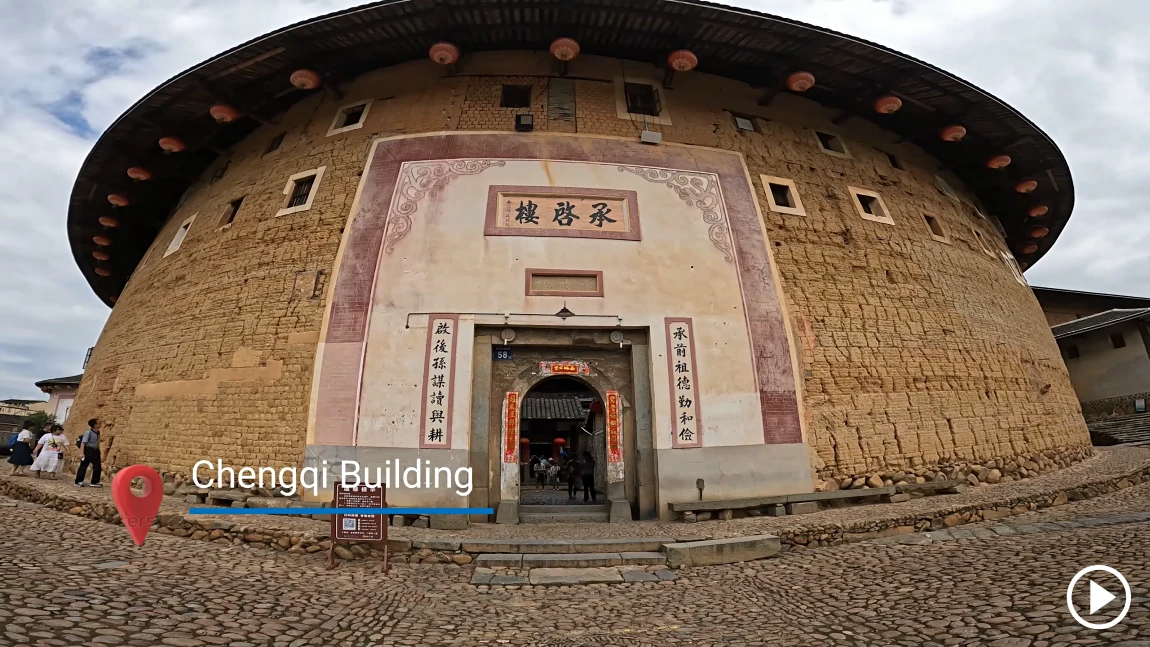
- Chengqi Building (承启楼): The largest circular tulou, famous for its unique layout of four concentric rings.
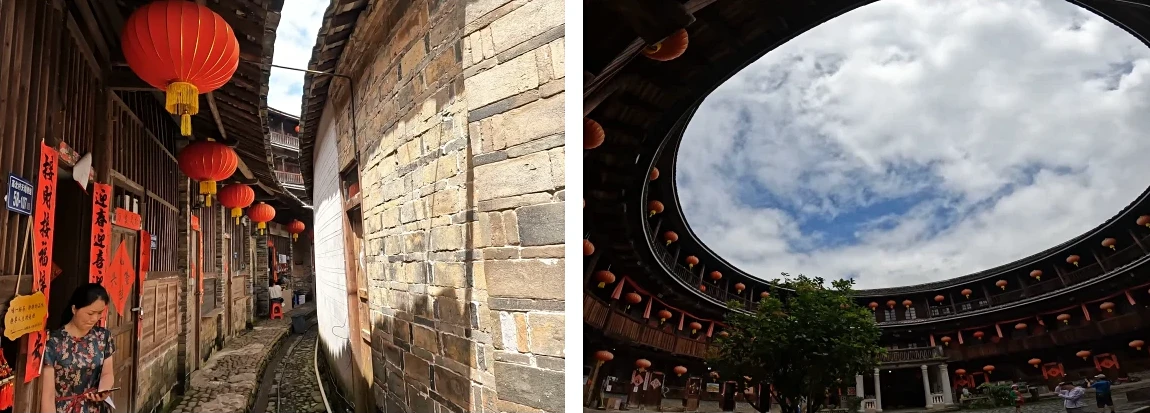
- Qiaofu Building (侨福楼): A simpler circular tulou, but standing in its central courtyard offers a great view of the full circular interior structure.
Verdict: While they might look simple from the outside, these two buildings offer the best interior exploration.
Watch: Yongding 永定 | Gaobei Tulou 高北土楼
Option 2: Tianluokeng Tulou Cluster and Taxia Village 1-Day Tour
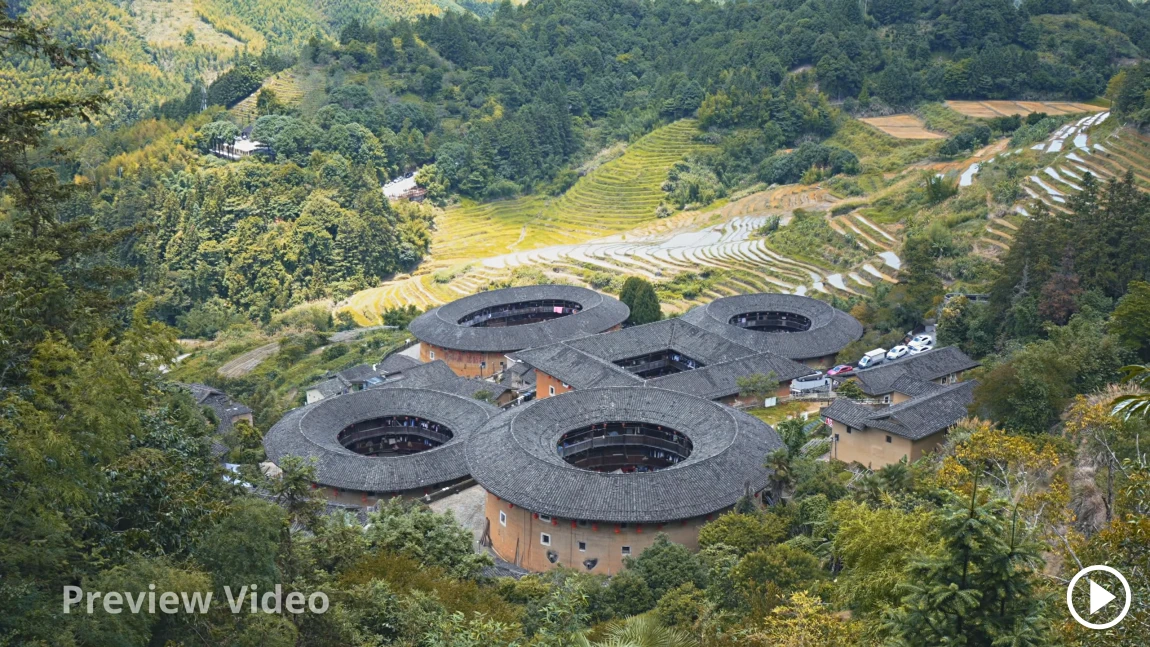
- Highlight — Tianluokeng Tulou Cluster (田螺坑土楼群)
- Verdict: This is the most iconic, postcard-famous tulou group (often called “Four Dishes and One Soup”), especially when viewed from the upper observation deck. However, the interiors are less impressive as most rooms have been converted into souvenir shops.
Watch: China’s Remote Mountain Village of Earthen Houses
Is Fujian Tulou Worth Visiting?
Why Go:
- The architecture is genuinely unique—you won’t see anything like this anywhere else in the world.
Things to Consider Before You Go:
- Long Travel Time: It takes about 2.5 hours one way from Xiamen, ending with winding mountain roads that can easily cause motion sickness. The 5-hour round trip can be physically exhausting.
- Commercialization: The first floors of most tourist-accessible tulou are now packed with local souvenir stalls. Upper floors are mostly occupied by shop owners or a few elderly residents.
- Expectation Management: If you are expecting to see an untouched, traditional clan lifestyle, you might be disappointed.
Quanzhou
Located about 90 km from Xiamen, Quanzhou is an ancient maritime hub with over 1,300 years of history. The historic center is incredibly walkable. Within a 3 km area, you will find:
- Buddhist temples dating back to the Tang Dynasty
- A traditional Confucian temple
- Folk temples dedicated to local Chinese deities
- China’s oldest surviving Islamic mosque
Combined with lively streets offering authentic Minnan (Southern Fujian) food, Quanzhou is often described as “Half city of daily life, half city of gods” (半城烟火半城仙). It makes for an ideal half-day or 1-day trip from Xiamen.
How to Get There from Xiamen
Option 1: Xiamen Railway Station (厦门站) > Quanzhou Railway Station(泉州站)
- Time & Cost: ~50 mins | ~40 RMB
- Pros/Cons: Convenient downtown location in Xiamen, but fewer daily train departures (every 30–60 mins).
Option 2: Xiamen North Railway Station (厦门北站) > Quanzhou Railway Station (泉州站)
- Time & Cost: ~40 mins | ~30 RMB
- Pros/Cons: Very frequent trains, but Xiamen North is about 25 km from downtown Xiamen (~30 mins by ride-hailing).
Booking Tip: Book your outbound ticket to Quanzhou one day in advance on Trip.com. For the return trip, wait until you finish exploring Quanzhou, then estimate your departure time and book your return ticket via the app.
Suggested Walking Route (3–4 hours)
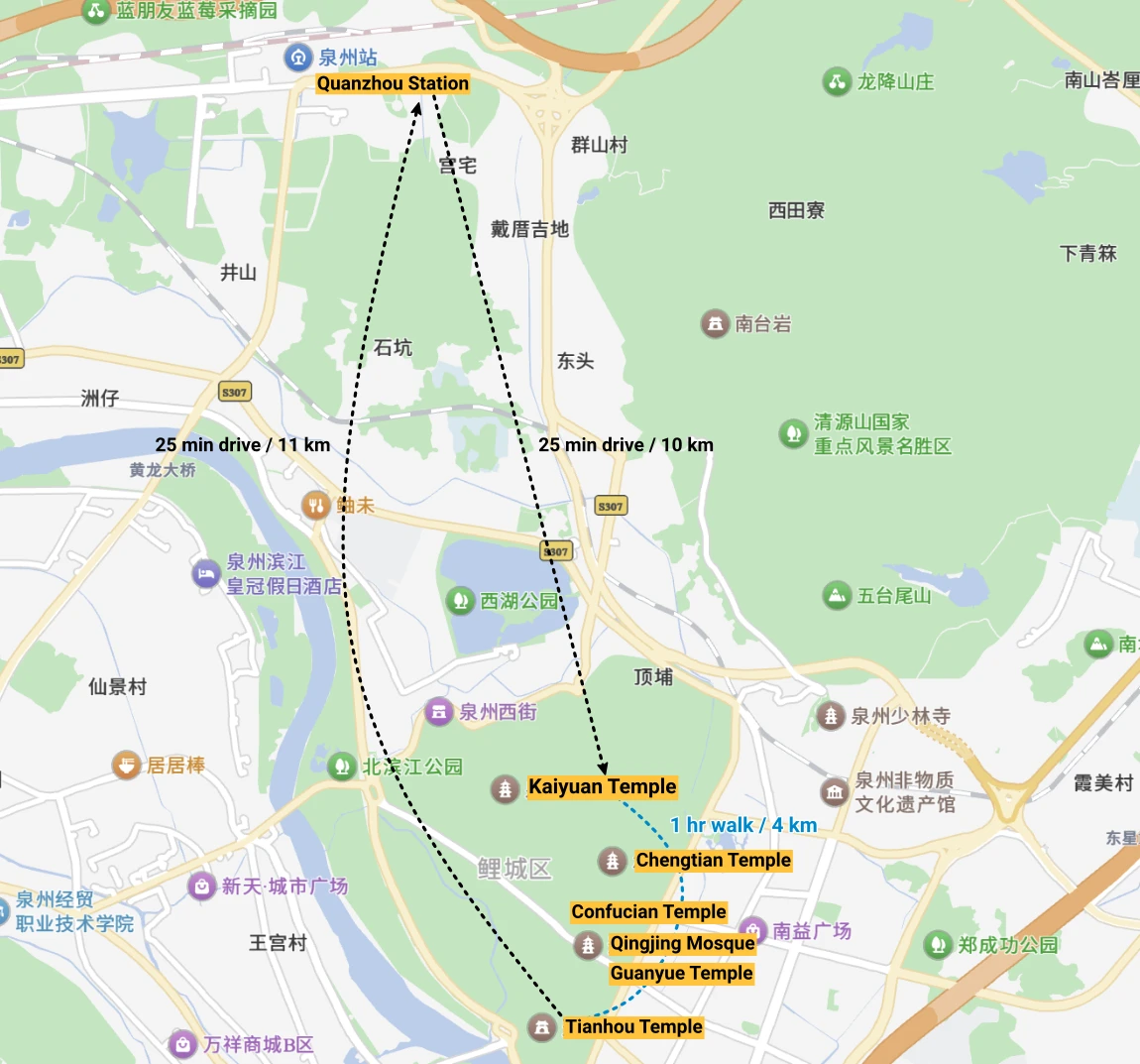
- Kaiyuan Temple (开元寺)
- Take a DiDi from Quanzhou Station straight to Kaiyuan Temple (~25 mins).
- Highlights: A 1,300-year-old Buddhist temple and key site of the UNESCO World Heritage listing “Quanzhou: Emporium of the World in Song-Yuan China”. Its iconic twin stone pagodas are symbols of the city.
- Admission: Free
(Walk 20 minutes toward Chengtian Temple. Along the way, stop for lunch. For reliable local cuisine, look for Song Xiaojin · Quanzhou Cuisine (宋小谨·泉州菜), though expect a wait during peak hours.)
- Chengtian Temple (承天寺)
- A serene 1,070-year-old Buddhist temple. While smaller and not on the UNESCO list, it gets far fewer tour groups, making for a quieter and more peaceful atmosphere.
- Quanzhou Confucian Temple (泉州府文庙) (13-min walk)
- Dedicated to Confucius, one of China’s most influential philosophers. Local students often come here to pray for academic success.
- Admission: Free
- Qingjing Mosque (清净寺) (10-min walk)
- Over 1,000 years old, this is the oldest surviving stone Islamic mosque in China.
- Admission: 3 RMB (Note: Closed on Mondays or Tuesdays depending on the season).
- Tonghuai Guanyue Temple (通淮关岳庙) (Right next to Qingjing Mosque)
- Dedicated to Guan Yu (a famous 3rd-century general, loosely comparable to King Arthur in Western culture, who was later elevated to a deity representing loyalty and martial spirit).
- Admission: Free
- Tianhou Temple (天后宫) (Optional 17-min walk)
- Dedicated to Mazu, a real woman from Fujian in the 10th century who, according to legend, possessed supernatural powers to save sailors from ocean storms. She became one of the most widely worshiped sea goddesses in East and Southeast Asia. People come here to pray for safe travel and peace.
- Admission: Free
- Take a DiDi back to Quanzhou Railway Station to return to Xiamen.
Watch: 用无人机视角看被橙红古厝覆盖的泉州古城
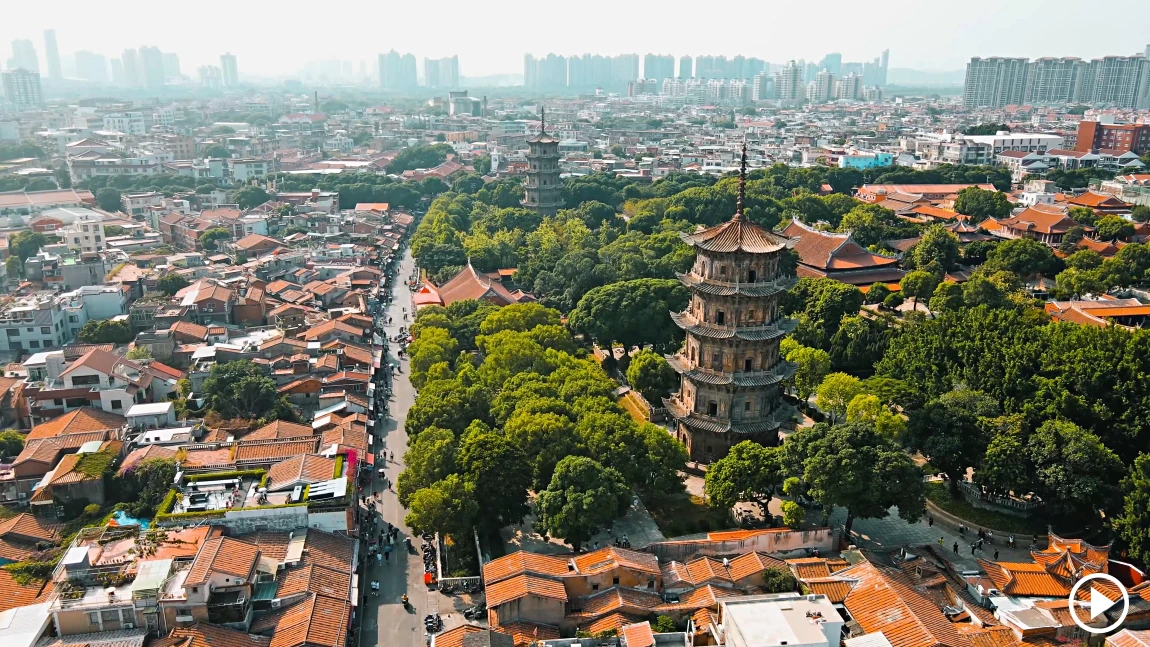
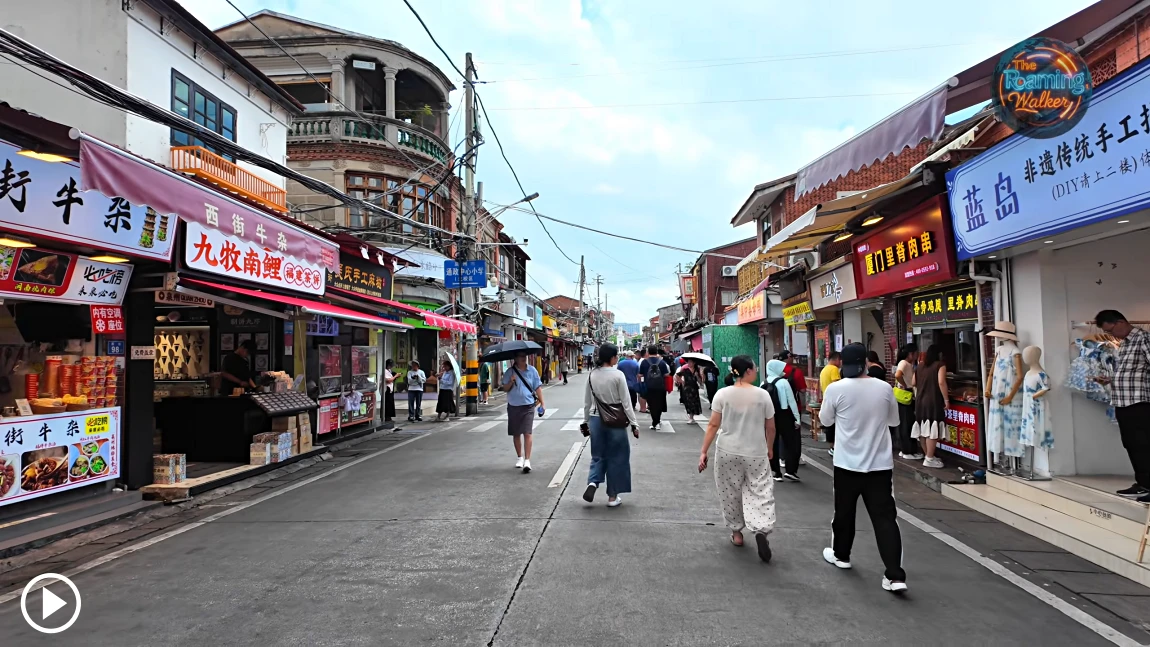
Watch: DON’T visit Quanzhou until you watch this!
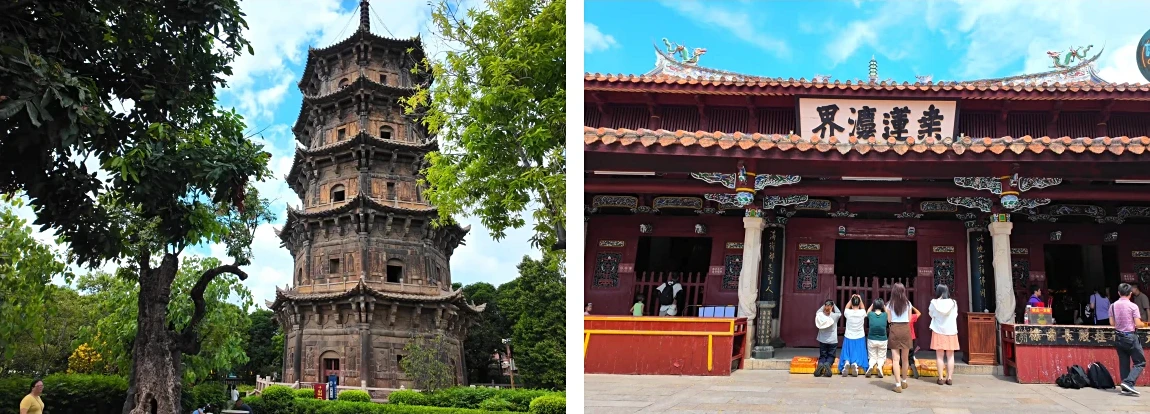
Cultural Note: Religion & Temples in China
China has a population of around 1.4 billion. Officially, about 100 million people actively practice organized religion, including Protestants (~30m), Muslims (~20m), Buddhists (~20–50m), Catholics (~6m), and Taoists (~10m). However, while the vast majority of Chinese people identify as non-religious, many still visit temples, burn incense, and pray for good fortune. For most locals, this is less about strict religious dogma and more a deeply rooted cultural tradition and way of honoring ancestors and life.
Thank you for reading. Hope you have a wonderful journey! ヽ(´▽`)/