Dali Itinerary: A Complete 2-Day Guide for First-Time Visitors
Dali (大理) is located in western Yunnan on the Yunnan-Guizhou Plateau, at an altitude of about 2,000 meters. It sits at the foot of Cangshan Mountain and beside Erhai Lake. Historically, it was the capital of the Nanzhao and Dali kingdoms and a key stop on the ancient Tea Horse Road. It is also home to the Bai ethnic group, known for its distinctive culture and architecture.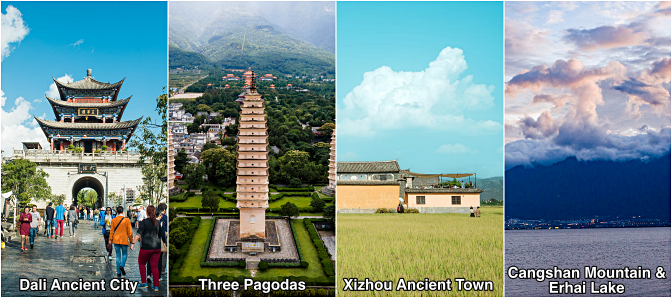 Photo by Pixabay | Michael Myers | XXWW | YaoMuyu
Best Time to Visit Dali
The best seasons to visit Dali are spring and autumn.
Spring (March–May) has mild weather and blooming flowers. If your trip coincides with the third lunar month, don’t miss the Third Month Fair, the grandest traditional festival of the Bai people, which usually falls in April.
Autumn (September–November) brings mostly sunny days with clear air, and the autumn colors are often especially rich; this period also tends to see relatively fewer tourists.
Summer (June–August) is the rainy season. It also overlaps with the summer holidays, bringing larger crowds and higher prices. On the plus side, the weather is pleasantly cool, and it is the season for tasting wild mushrooms in Yunnan.
Winter (December–February) is quieter, with fewer visitors and lower prices. Seagulls from Siberia fly to Erhai Lake for the winter, and the weather is mostly sunny, though the temperature difference between day and night is large.
Finally, avoid visiting during Chinese public holidays, when attractions become very crowded, accommodation is expensive, and high-speed train tickets are hard to book.
Dali Map
Dali is centered on Erhai Lake (洱海), a long, narrow lake stretching about 42.58 km with a maximum width of 9 km. Most ancient towns and villages lie along its western shore, at the foot of the Cangshan Mountains (苍山).
Dali Ancient City (大理古城) is the primary travel hub, and most attractions radiate from it. Dali Fengyi Airport (大理凤仪机场) sits at the lake’s southeast corner, approx. 30 km from the ancient city. Dali Railway Station (大理火车站) is in Xiaguan (下关) on the southern shore, 17 km from the ancient city. Xiaguan is Dali’s political and economic hub—more modern, and home to a large share of the local population.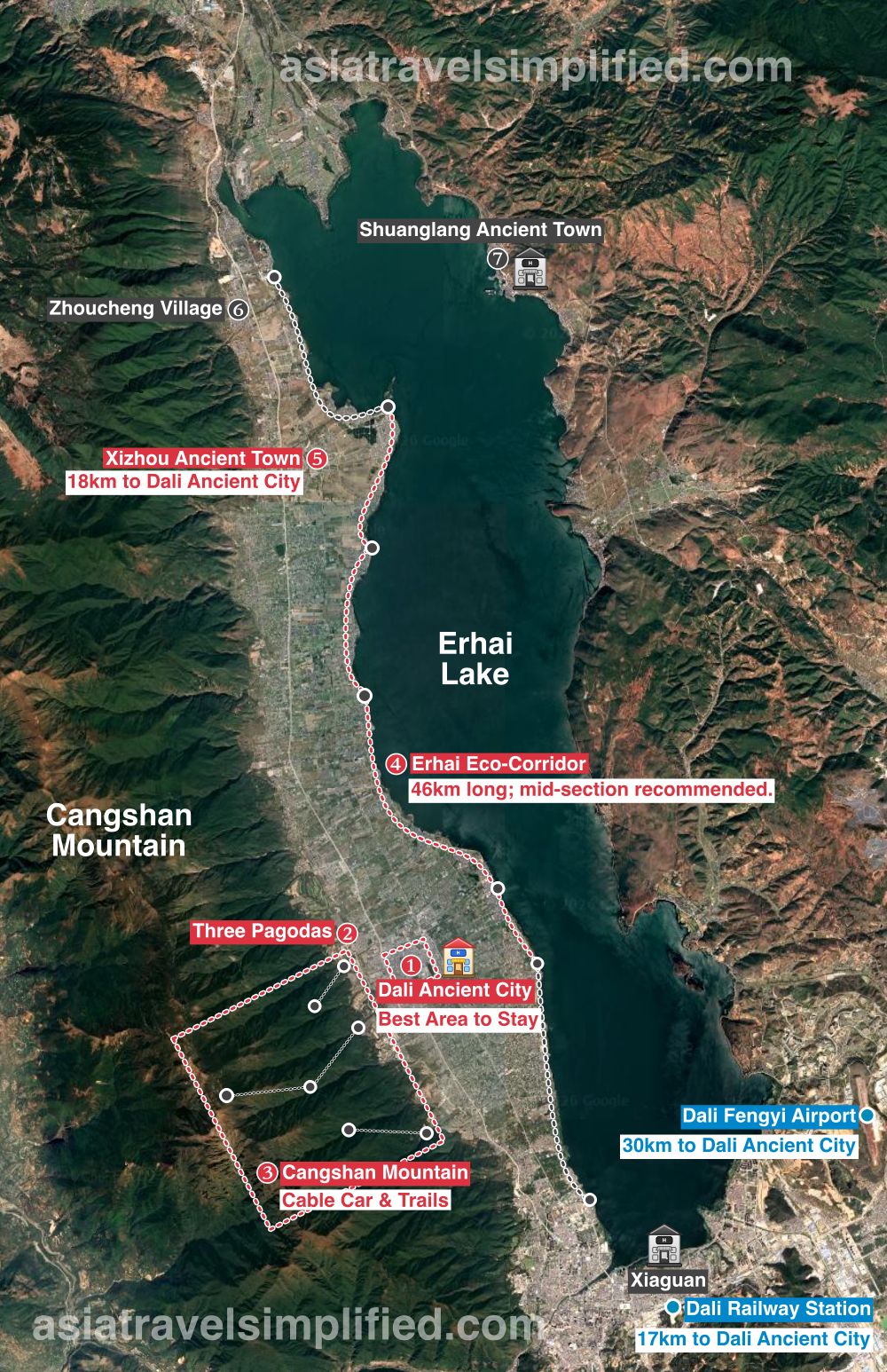
2-Day Dali Itinerary
We recommend allowing at least two full days in Dali. Stay in or around Dali Ancient City (大理古城), and use any spare time on arrival or departure day to explore the ancient city on foot.
Day 1
- Morning: Try a traditional Yunnan breakfast and browse the local market at North Gate Market (北门菜市场) in Dali Ancient City. After breakfast, visit Cangshan Mountain (苍山) — there are several routes, so read the guide below and choose the one that suits you.
- Afternoon: Visit the Three Pagodas and Chongsheng Temple (三塔和崇圣寺).
- Evening: Join the bonfire gathering in Dali Ancient City.
Day 2
- Morning: Rent an e-bike and ride a section of the Erhai Ecological Corridor (洱海生态廊道). The corridor is very long, so we suggest focusing on the middle section.
- Afternoon: Visit Xizhou Ancient Town (喜洲古镇). If you have the energy, you can ride all the way from the corridor to Xizhou — roughly 50 km round trip. Alternatively, take a taxi to Xizhou.
Good to Know
- Dali also offers many hands-on craft experiences, the most famous being tie-dye (扎染). If you are particularly interested, visit the museum in Zhoucheng (周城) to see and try tie-dyeing. If you are short on time, look for tie-dye workshops in Dali Ancient City or Xizhou instead.
- Shuanglang (双廊), on the east shore of Erhai, is the most famous old town on that side, known for its waterfront setting. Many visitors, however, find it overly commercialized; combined with the long distance, it can be skipped if time is limited.
- The east shore of Erhai is suitable for a private car tour, with lake views along the way. Visitors and social media feedback often suggest that many stops along the route are overly commercialized, with people going there mainly for Instagram-worthy photos rather than for a genuinely rewarding experience. If your overall time in Dali is tight, the east shore can be left out.
- If you prefer a more authentic atmosphere, consider Shaxi Ancient Town (沙溪古镇), Jianchuan Ancient Town (剑川古镇), and Shizhongshan Grottoes (石钟山石窟), about 100 km north of Dali. Due to length constraints, this guide does not cover them in detail.
Where to Stay in Dali
The most convenient area to stay in Dali is around the Old Town. The Old Town itself is Dali’s primary attraction; it is also roughly equidistant from the airport and the railway station; and it is the most convenient base for reaching other sights.
Within the Old Town, however, staying inside is not the best choice. Most of the core streets are closed to motor vehicles, which means you cannot rely on a car to get in or out; getting to/from the airport, the railway station, and sights outside the Old Town therefore requires frequent taxis or ride-hailing. The main road inside the Old Town that vehicles can use, Yu’er Road, is also often heavily congested. If you still prefer to stay inside the Old Town, choose a hotel closer to these vehicle-accessible roads, such as Yu’er Road, or closer to one of the city gates.
The best option is therefore to stay on the outskirts of the Old Town, preferably in hotels near the West Gate or the South Gate.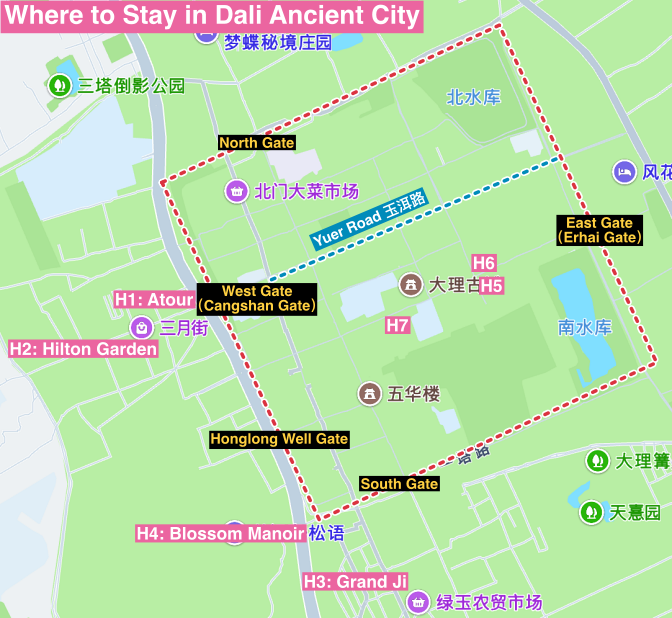
H1: Atour Hotel March Street in Dali Ancient City 三月街亚朵见野酒店
Rate: 9.6 (1300+ reviews)
It is 300 meters from the West Gate of Dali Ancient City, and the “March Street” (Sanyue Jie 三月街) it sits on is where the local market is held.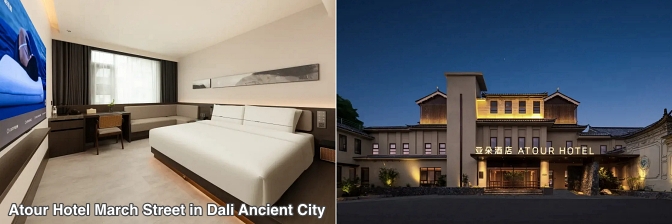
H2: Hilton Garden Inn Dali Ancient City 大理古城希尔顿花园酒店
Rate: 9.5 (1800+ reviews)
It is 750 meters from the West Gate of Dali Ancient City.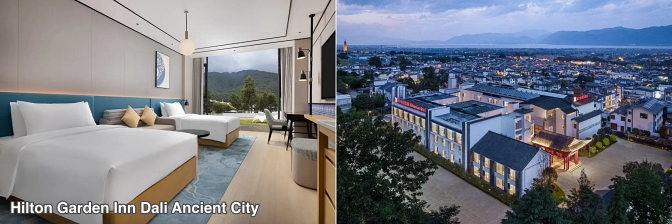
H3: Grand Ji Hotel Dali Ancient Town 全季大观大理古城酒店
Rate: 9.7 (100+ reviews)
It is 750 meters from the South Gate (near the Visitor Center) and 600 meters from Honglong Well Gate.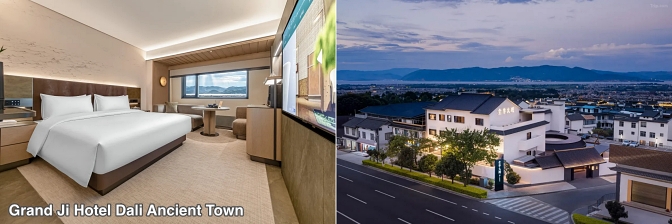
H4: Blossom Manoir Dali Old Town 大理古城花间府·松语
Rate: 9.7 (1600+ reviews)
It is 800 meters from the South Gate and 650 meters from Honglong Well Gate. Blossom Manoir has a quieter environment and a garden courtyard, and the nearby Hongsheng Temple Pagoda can be seen from the yard.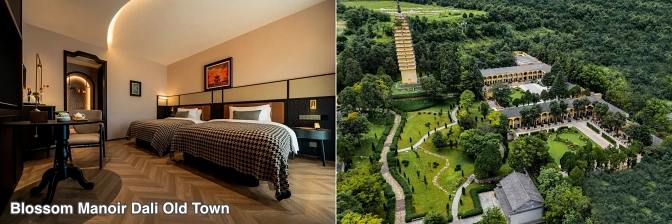
Inside Dali Ancient City, there are some guesthouses converted from old buildings that are very distinctive. If you are particularly interested and are willing to sacrifice some transport convenience, we recommend checking out the following guesthouses, all of which are licensed to host foreign guests.
H5: ANYU Hotel - Dali Ancient Town 大理古城安隅酒店
Rate: 9.7 (800+ reviews)
Quiet despite being in a lively area. Its facilities and service have both received very positive reviews on Xiaohongshu, a Chinese social media platform. Prices are relatively high. Paid airport transfer service is available.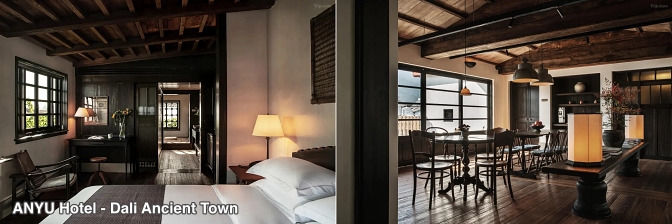
H6: Anqiu Residence, Dali Ancient Town 大理古城·安秋居
Rate: 9.9 (50+ reviews)
Also quiet despite being in a lively area. It is converted from a traditional Bai-style courtyard compound, opened in 2026, and currently has relatively few reviews.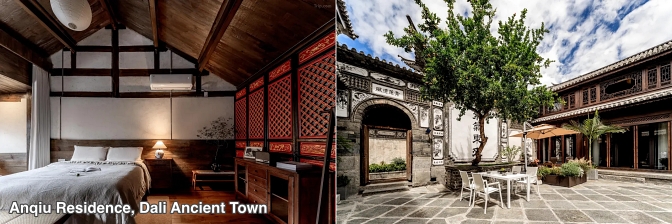
H7: Manyue Wangjiayuan Hostel 大理古城漫悦王家院
Rate: 9.5 (10+ reviews)
It is likewise located in a quiet alley just off a busy street and is converted from a traditional Bai-style courtyard compound. Compared with ANYU Hotel, Wangjiayuan has more affordable prices, but correspondingly, its reviews also mention quite a few minor issues with the facilities, such as poor room soundproofing and no air conditioning. More reviews can be found on Booking.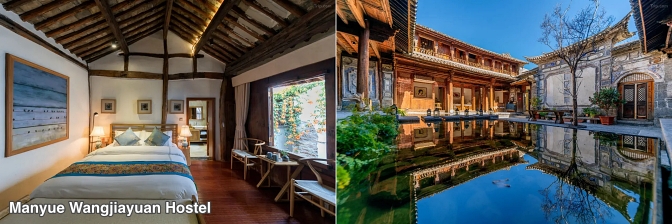
Staying by Erhai Lake: Dali Ancient City(大理古城)is not on the lakeside. If you want to stay by the lake and are willing to sacrifice some transport convenience, consider the following two areas.
Xiaguan(下关): Located on the south shore of Erhai Lake, it is very convenient for the railway station and fairly close to the airport, but farther from the main attractions.
Recommended Hotel in Xiaguan: Hotel Indigo DALI ERHAI by IHG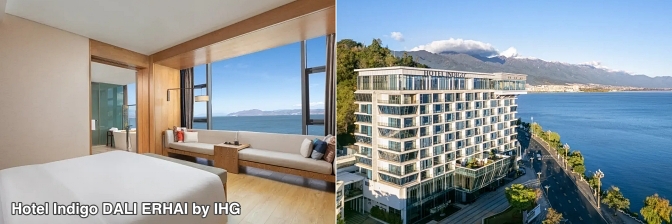
Shuanglang(双廊): Located at the northern end of the east shore of Erhai Lake, it is a commercially developed ancient town with many lakeside guesthouses. The main drawback is that Shuanglang is rather remote.
Recommended Hotel in Shuanglang: Dali Yunqi Bishe Seaview Hotel
Getting to Dali
From Major Chinese Cities:
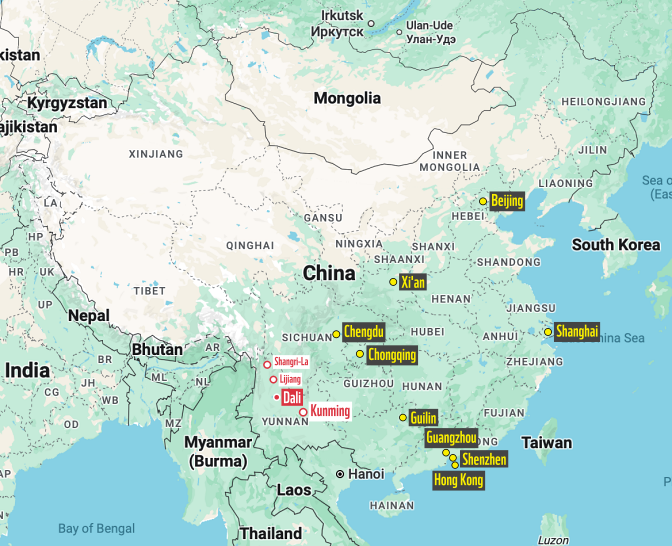
Most major cities have direct flights to Dali. If Dali is your first destination in Yunnan, flying is the most convenient option. If you travel to Dali by train, all routes originating outside Yunnan Province go through Kunming first.
| From | Distance | Flight | HSR (Train) | Recommended |
|---|---|---|---|---|
| Beijing | 2,700km | 4 hours | No direct trains | Flight |
| Shanghai | 2,600km | 4 hours | No direct trains | Flight |
| Xi’an | 1,600km | 2.5 hours | No direct trains | Flight |
| Chengdu | 1,000km | 1.5 hours | 8 hours | Flight|HSR |
| Chongqing | 1,100km | 1.5 hours | 7.5 hours | Flight|HSR |
| Guilin | 1,200km | No direct flights | 8 - 10 hours | HSR |
| Guangzhou | 1,600km | 3 hours | 9 - 11 hours | Flight|HSR |
| Shenzhen | 1,700km | 3 hours | 10 hours | Flight |
| Hong Kong | 1,700km | No direct flights | No direct trains |
From Kunming & Onward
If it is your first time visiting Yunnan, Kunming, Dali, Lijiang, and Shangri-La are the perfect destinations to start with. From Kunming, you can easily connect all these places by high-speed trains, and tickets can be conveniently booked via Trip.com.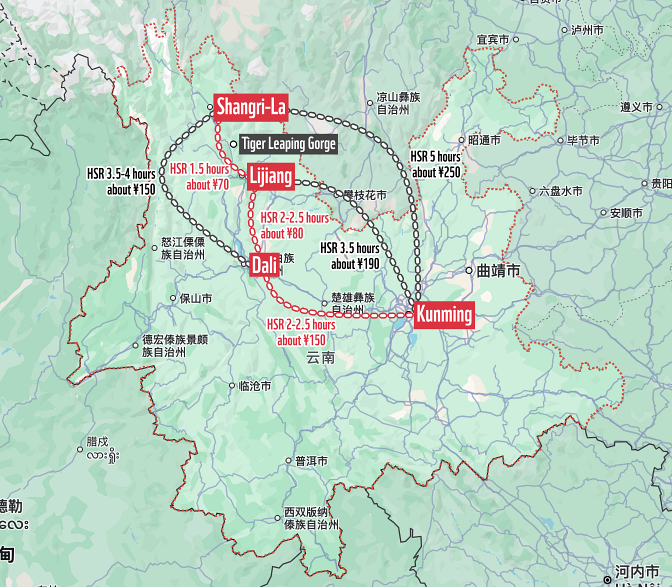
Getting to/from the Dali Airport
Dali Fengyi Airport (大理凤仪机场) is located on the southeastern shore of Erhai Lake, about 30 km from Dali Ancient City (大理古城). The most convenient way to get to and from the airport is by ride-hailing service or taxi. The journey takes approximately one hour.
Ride-hailing (e.g., DiDi): 60–80 RMB during off-peak hours / low season; 80–120 RMB during peak hours, high season, or at night.
Taxi: 80–120 RMB depending on the time of day. Use the official taxi stand and insist on the meter.
Important notes:
The airport operates an official shuttle bus to Dali Ancient City at 25 RMB per person. The journey takes about 90 minutes, as the bus makes a stop in Xiaguan (下关) en route. However, online reviews frequently mention delayed departures (the bus often waits until it is sufficiently full) and fixed or uncertain drop-off points—situations that are particularly difficult for non-Chinese speakers to handle. Given that it is neither significantly cheaper nor faster, the shuttle bus is not recommended as a first choice.
Drivers soliciting passengers at the airport may offer shared rides to Dali Ancient City for around 30–40 RMB per person, but reviews are mixed and there is no official recourse if something goes wrong. Avoid these.
Many hotels and guesthouses offer paid airport pickup services. Ask for a quote in advance—if the price is reasonable, this can be a good option.
Dali Railway Station
Dali Railway Station (大理火车站) is located in Xiaguan (下关), on the southern shore of Erhai Lake, about 17 km from Dali Ancient City (大理古城). The most convenient way to travel between the two remains ride-hailing or taxi, with a journey time of roughly 30–50 minutes.
Ride-hailing (e.g., DiDi): 30–45 RMB; during peak hours, prices may rise to 50–60 RMB.
Taxi: 50–60 RMB on the meter.
Important notes:
An official shuttle bus is available at 5 RMB per person, but the process is somewhat complicated and, once waiting time is included, the overall journey takes considerably longer. It is therefore not highly recommended, especially for travelers carrying luggage or unfamiliar with a Chinese-speaking environment.
If you do take the bus, look for staff in orange or red vests near the station exit. The buses are operated by different companies: staff in orange vests (sometimes yellow jackets) belong to Dali Tourism Group, while those in red vests belong to Dali Bus Group.
Buy your ticket by scanning the QR code provided by the staff, then wait in the designated area. When it is time to depart, staff will guide all passengers across a pedestrian overpass to board the bus. The terminus is near the South Gate of Dali Ancient City.
Dali Transport Guide
Unfortunately, getting around Dali by public transport is not easy.
First, Dali has no metro. Some bus routes can be looked up on Amap (高德地图), but they have many stops and are time-consuming, making them unsuitable for tourists. Some local buses running between the ancient towns are difficult to find online—even their timetables and boarding points are hard to locate.
Therefore, for tourism in Dali, ride-hailing is the best way to get around. You can also ask your hotel front desk about car prices or for help booking a ride.
Top Attractions in Dali
Dali Ancient City 大理古镇
With Cangshan Mountain to the west and Erhai Lake to the east, Dali Ancient Town was once the capital of the Nanzhao and Dali Kingdoms. The town’s layout follows a traditional map of “Nine Streets and Eighteen Lanes” from the Ming Dynasty.
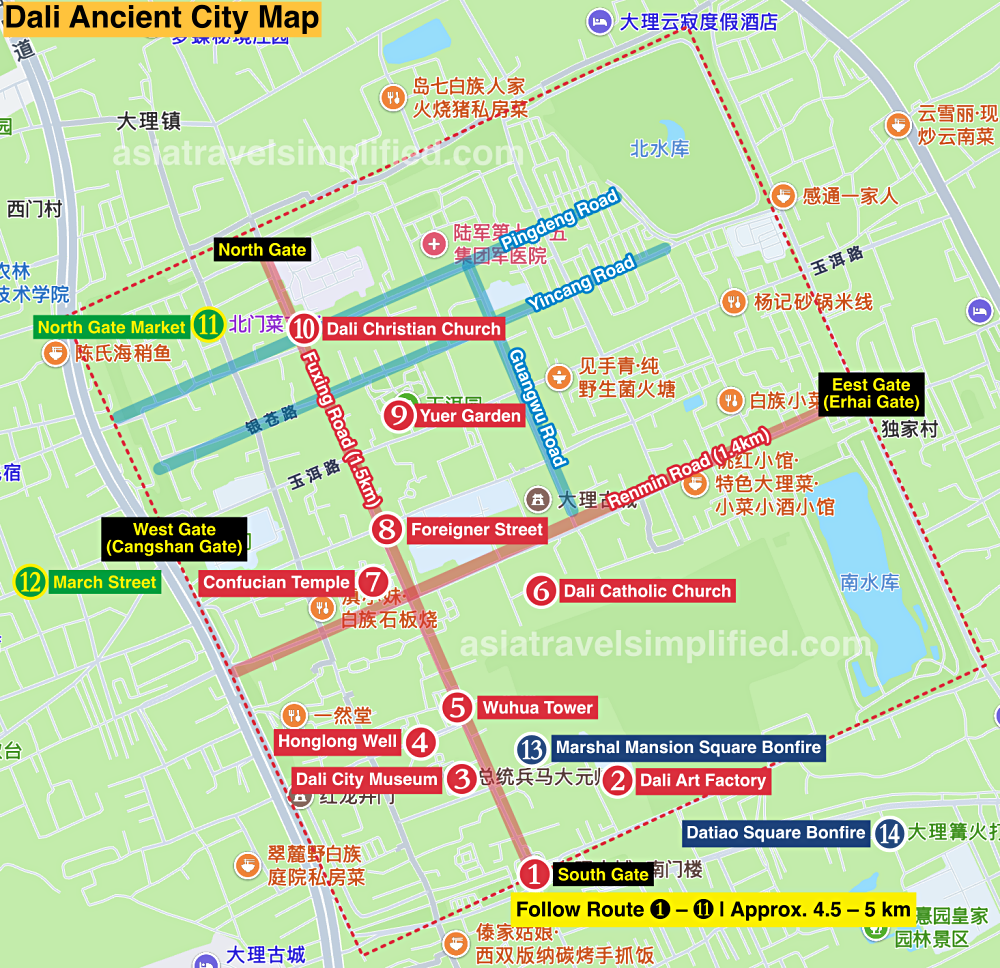
The core area forms a square about 1.5 km on each side, enclosed by four main city gates: the South Gate, North Gate, West Gate (Cangshan Gate), and East Gate (Erhai Gate).
Tickets: Free
Suggested Duration: Most people stay overnight in town, making it easy to walk around and explore in your spare time.
Routes & Tips:
- Landmark City Walk
- Route: View the map for the complete route from Point 1 to Point 13.
- Distance: Around 4.5–5 km. This covers the town’s main landmarks, but you do not need to walk the whole route at one time.
- Tip: Most sights are on Fuxing Road (复兴路), which connects the North and South Gates. This is the main road for large tour groups, meaning it gets very crowded from 10:00–12:00 and 14:00–16:00. Visit this street outside of those hours to avoid the crowds.
- Quiet Side Streets
- Where to go: Pingdeng Road (平等路), Yincang Road (银苍路), and Guangwu Road (广武路).
- These areas are much quieter and less commercial than Fuxing Road (复兴路). They have many independent shops and cafes instead of souvenir shops.
- Local Markets & Daily Life
- North Gate Market (北门市场): Located in the northwest corner of the town, this is where local people buy groceries. It is the best place for authentic Dali snacks and is great to visit during breakfast hours.
- March Street Market (三月街): Located just outside the West Gate, this market opens on the 2nd, 9th, 16th, and 23rd of every lunar month. Go here for local food, snacks, and handicrafts.
- Nightlife
- What to do: You can experience bonfire parties, or go to the east section of Renmin Road (人民路) and Foreigner Street (洋人街) for bars with live music.
- Late Night: After 23:00, independent street vendors open their night stalls along Renmin Road (人民路).
❶ The South Gate is the most important of the four city gates. It was first built over 600 years ago and rebuilt on its original site in 1984, keeping the style of Ming Dynasty architecture. The Chinese characters for “Dali” (大理) are written on the gateway arch, and a plaque reading “Wen Xian Ming Bang” (文献名邦 / Famous Nation of Culture) hangs in the center of the tower, showing Dali’s rich cultural history since ancient times.
Tip: You can walk up onto the city wall for free to look down over the entire ancient town.
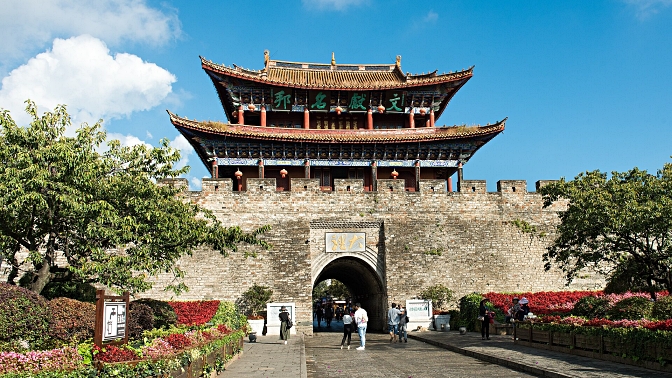 Photo By Kcx36
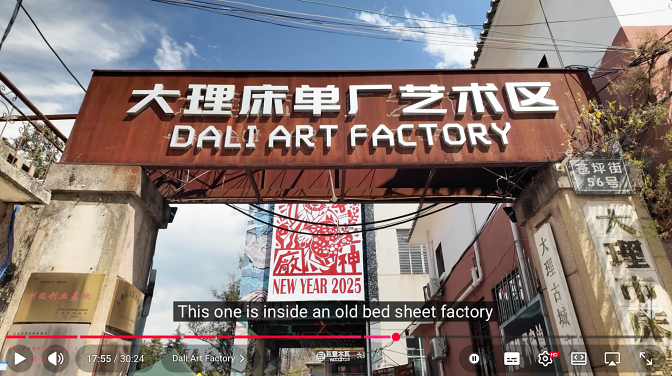
❷ The Dali Art Factory was rebuilt from an old state-owned bedsheet factory from the last century. Today, the retro industrial buildings feature graffiti and art installations, hosting over 40 independent studios and shops.
Tip: The shops are open every day, but weekends bring an extra creative market that sells handmade crafts and local snacks.
Watch: I’m finally back in Dali, Yunnan.
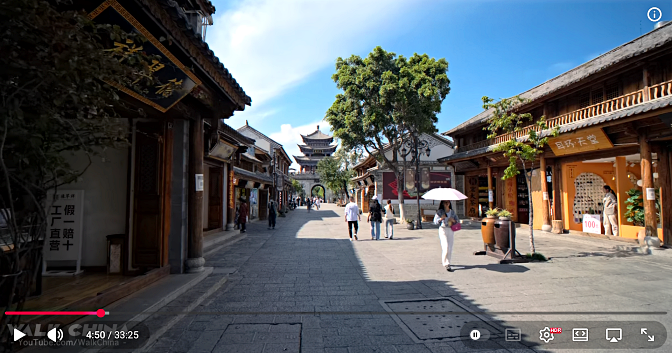
Fuxing Road (复兴路) is the main road connecting the North and South Gates. It is about 1.5 km long, and most of it is a pedestrian street. Both sides of the road are lined with souvenir and local specialty shops, making it quite commercialized. Most of the ancient town’s important landmarks are located around this road.
Watch: Echoes of Nanzhao: Exploring the Crisscrossing Lanes of Dali Ancient City
❸ The Dali City Museum is officially named the Marshal’s Mansion (总统兵马大元帅府), and it was once the headquarters for the uprising leader Du Wenxiu. Today, it serves as the Dali City Museum, displaying historical relics and local cultural items inside. It is free to visit from Tuesday to Sunday, 9:00 AM to 5:00 PM, but you need to scan a QR code at the entrance to register before going in.
❹ Honglong Well (红龙井) is a 408-meter-long pedestrian street named after an ancient well called “Honglong Well.” Fresh water from Cangshan Mountain flows down the center of the street, creating a series of small, cascading streams. At night, this street turns into a popular bar area, but the atmosphere here is relatively quiet.
❺ Wuhua Tower (五华楼) is the highest point in the ancient town. First built in 856, it was destroyed and rebuilt many times throughout history. The current tower was rebuilt in 1998, featuring a stone arch base with a three-story traditional pavilion on top. You can walk up onto the base for free to get a 360-degree view of the entire ancient town.
❻ Dali Catholic Church (大理天主教堂) was built in 1927 by foreign missionaries and local craftsmen. Its biggest feature is the mix of traditional Yunnan Bai-style architecture and Western Catholic design. The front of the building looks like a traditional Bai house, featuring Bai-style flying eaves and a wooden roof framework. Inside, the church uses a classic Western Basilica layout. It is free to visit.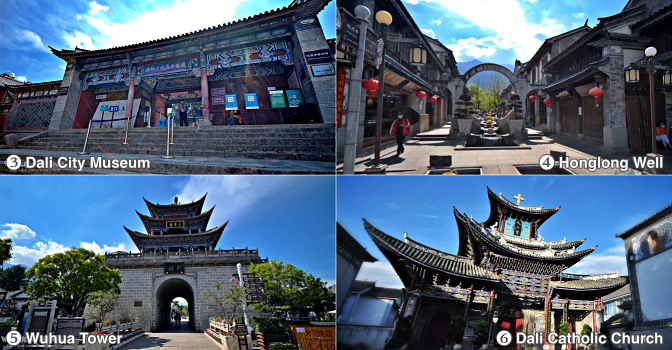 Photo 3-5 from video Echoes of Nanzhao; Photo 6 by 蒋亦炯
❼ Dali Confucian Temple (大理文庙) was first built in the Yuan Dynasty. Facing east, it features a symmetrical, multi-courtyard layout following standard Confucian temple design. In its local details, such as the stone and wood carvings, it also uses Bai ethnic elements. Inside, the temple still enshrines Confucius and past sages today. The courtyards are shaded by ancient cypress trees, making it a highly recommended place to visit. Admission is free.
❽ Foreigner Street (洋人街) officially named Huguo Road, is an east-west commercial street about 1 km long. In the 1980s, it became a gathering place for foreign backpackers, which gave it the nickname “Foreigner Street.” A traditional archway was also built at its intersection with Fuxing Road. During the day, you can explore small shops and cafes, while at night, the bars along the street become lively. However, it is worth noting that Yangren Street now faces criticism for being overly commercialized and looking too similar to other tourist streets.
❾ Yuer Park (玉洱园) is a small, relaxing park for locals. It features Bai-style architecture, including a grand entrance gate and a traditional reflection wall. The park is famous for growing a wide variety of camellias. The poetic couplet on the entrance gate, “清风明月本无价,近水遥山皆有情,” translates to: “The cool breeze and bright moon are priceless; the nearby waters and distant mountains all have feelings.” This place is very quiet, making it perfect for escaping the crowds and experiencing Dali’s slow-paced life.
❿ Dali Christian Church (大理基督教堂) was first built in 1904. Like the Dali Catholic Church, it is a representative building that combines Western religious functions with traditional Bai ethnic style.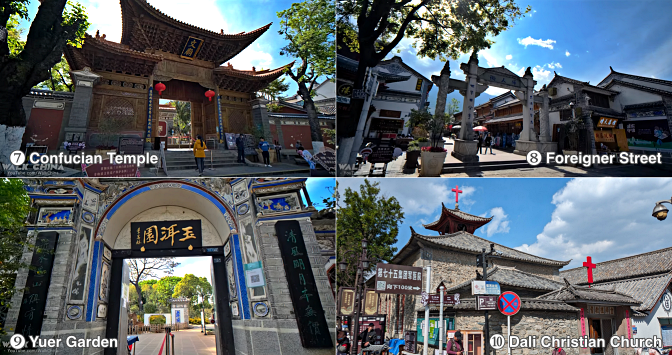 Photo 7-9 from video Echoes of Nanzhao; Photo 10 by Kcx36
⓫ North Gate Market (北门市场) is the largest general market in the ancient town and a popular spot for locals. You will see local Bai ethnic aunts (白族嬢嬢) carrying basket backpacks here to buy groceries. It is open from 7:00 AM to 6:00 PM, but visiting between 7:00 AM and 11:00 AM is highly recommended to experience its liveliest atmosphere.
Watch: Exploring Dali Market: The Ultimate Hub for Authentic Yunnan Cuisine!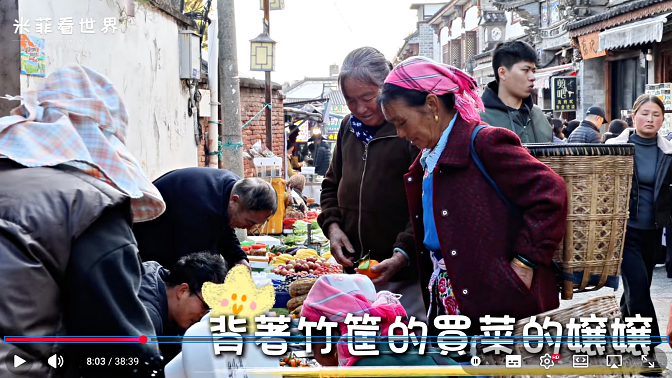
Yunnan is a place with incredibly rich resources. At North Gate Market, you can see many unique fruits and vegetables. It is also a great place to buy traditional woven bags.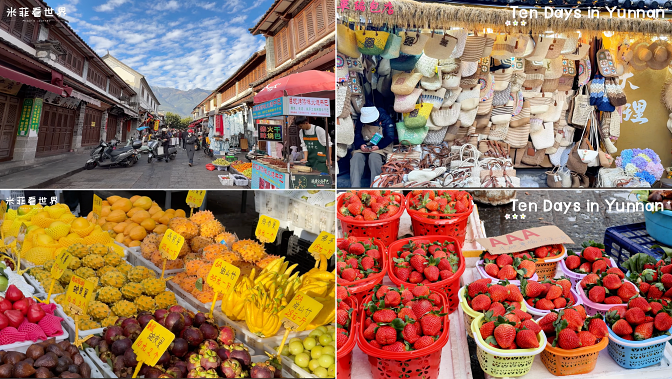 Photo from video Exploring Dali Market
The market gathers Dali’s widest variety of local snack shops, so arriving here in the morning on an empty stomach is the best choice.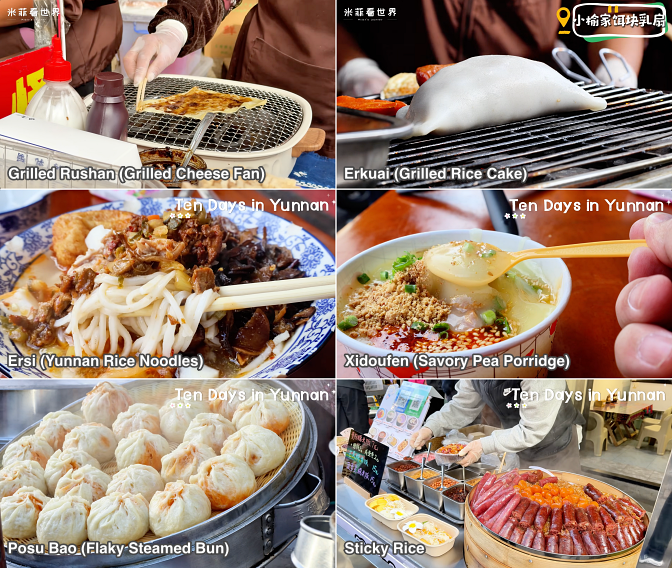 Photo from video Exploring Dali Market
⓬ March Street Market (三月街) is located outside the west gate of the ancient town and serves as the site of the local market. It has the famous saying “千年赶一街,一街赶千年,” which translates to: “A market that lasts for a thousand years, and a thousand years gathered in one market.” However, unfortunately, it is not open every day.
The market is open only four days each month, on the 2nd, 9th, 16th, and 23rd days of the Chinese lunar calendar. You can check the lunar dates on this website. If your travel dates cover these days, make sure not to miss it. You will experience the most lively, bustling market atmosphere, and everything is very cheap.
On these market days, stalls open around 7:00 AM to 8:00 AM, the market becomes the liveliest between 9:00 AM and 12:00 PM, and it packs up around 6:00 PM.
Every year from the 15th to the 21st day of the third lunar month, it becomes a statutory ethnic holiday for the Bai people. March Street hosts a massive 7-day festival market. In addition to shopping and eating local snacks, there are horse racing competitions, folk sports matches, traditional Bai performances, and blessing events.
The following video mainly introduces the traditional snacks you can eat at the March Street Market, with over 20 different kinds available. You can turn on the English subtitles. Even if you miss the market days, it will still be very helpful for your food-hunting journey in Dali Ancient Town and throughout Yunnan.
Watch: Dali’s March Street Market Is So Wild! This Is the True Hustle and Bustle of Life.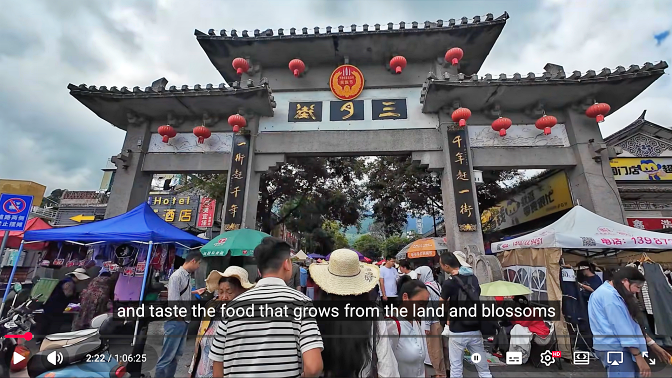
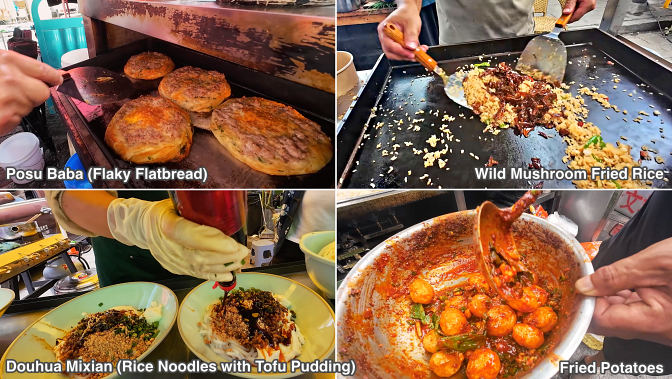 Photo from video March Street Market Is So Wild!
Bonfire Datiao (篝火打跳) is a traditional custom of the Bai ethnic group, where people hold hands and dance around a bonfire to pray for blessings, ward off disasters, and look forward to a good harvest. This activity is tied to the Torch Festival. On the 25th day of the sixth lunar month, massive bonfire events are held across Bai communities in Yunnan. However, you can also experience smaller versions of bonfire Datiao every evening right inside Dali Ancient Town. Here are two recommended spots:
⓭ The first spot is the square located opposite the Dali City Museum (Marshal’s Mansion), which is the most well-known location for tourists. It uses a simulated electronic bonfire, creating a flame effect with lights and mist. Guides wearing traditional Bai costumes will lead everyone in traditional dances. It takes place every evening from 8:00 PM to 9:00 PM but is canceled on rainy days. It is completely free—you can just join right in.
Watch: The Biggest Ancient Town in China
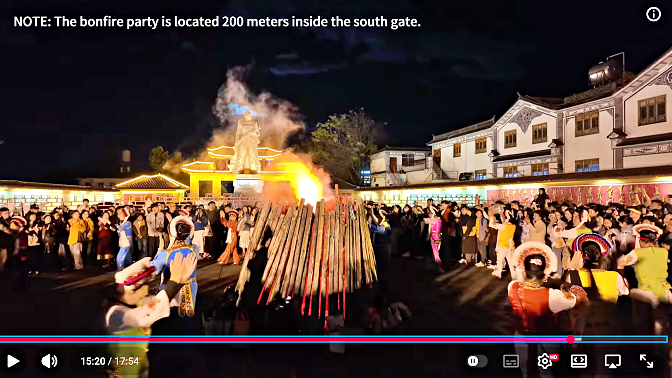
⓮ The other spot is the Datiao Square located outside the South Gate. This spot uses a real fire, and they even choose a tourist from the crowd to light it. The style here is much younger; in addition to traditional songs and dances, they also play pop music for accompaniment. It starts between 7:30 PM and 8:00 PM every evening and lasts until around 10:00 PM. It is completely free—you can just join right in.
Recommended Xiaohongshu Post: Dali Ancient City: Bonfire Dance (Da Tiao) Guide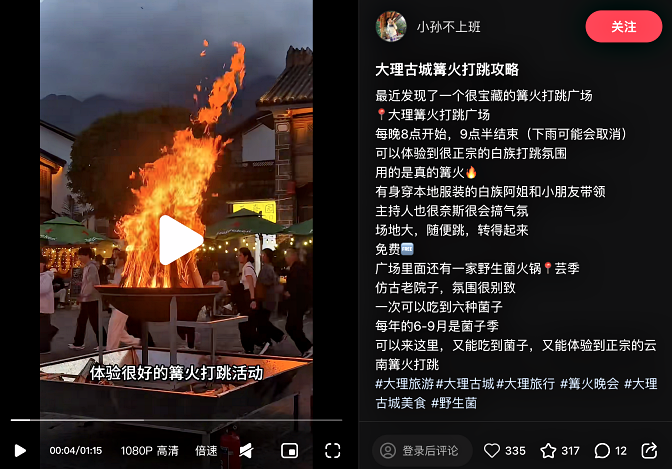
Three Pagodas 崇圣寺三塔
The Three Pagodas (三塔) are located at Chongsheng Temple (崇圣寺), northwest of Dali Ancient Town, with a history dating back over 1,000 years. The central pagoda, Qianxun Pagoda, stands at an impressive 69.13 meters high and reflects the architectural style of the Tang Dynasty, while the two smaller, octagonal towers were built later during the Song Dynasty (Dali Kingdom period). Remarkably, these structures have survived numerous massive earthquakes and wars over the centuries, remaining a testament to the advanced engineering of ancient China.
Chongsheng Temple, where the pagodas stand, was once the royal temple of the Nanzhao and Dali Kingdoms; it was destroyed during conflicts in the late Qing Dynasty, and the current temple was reconstructed on its original site in 2002, faithfully replicating the original design.
Tickets: Adult ¥75; Available on Trip.com; Half Price (Students, seniors 70+, children 1.2–1.4m); Free (Children Under 1.2m)
Shuttle: Round-trip ¥35; One-way Uphill ¥20; Downhill ¥15
Combos: Ticket + One-way Shuttle ¥90; Ticket + Round-trip Shuttle ¥100
Getting There:
- Walk: 1.5 km from the North Gate of Dali Ancient Town to the ticket office.
- Ride-hailing: Set destination to “Chongsheng Temple Three Pagodas Ticket Office (崇圣寺三塔售票处)” (¥10–15; approx. 10 mins).
- Public Bus: Best for those familiar with Amap. Bus No. 4 is the most convenient with the least walking (¥2–3; approx. 15 mins).
Recommended Duration: 2 - 3 hours (Chongsheng Temple covers a vast area). Open-air electric shuttles run between the entrance and the Mahavira Hall at the far end; a one-way ticket is recommended.
- Uphill Route (Scenic): Walking from the entrance to the western end is uphill with many stairs. The upside is seeing the buildings’ grand facades and experiencing the full temple layout. You can then take the shuttle back from the south side of Mahavira Hall.
- Downhill Route (Energy-saving): To avoid the climb, take the shuttle directly to the westernmost end upon entering. Tour downhill from the Mahavira Hall, ending your visit at the Three Pagodas.
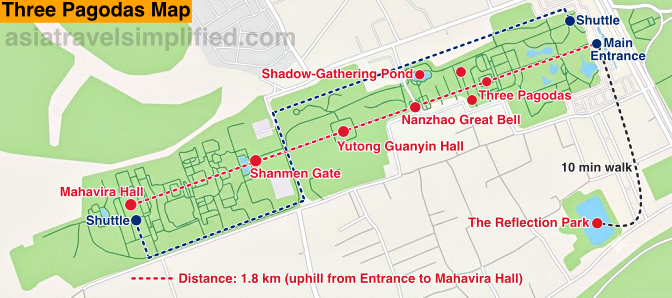
Watch: Bird’s-Eye View of Chongsheng Temple, Dali
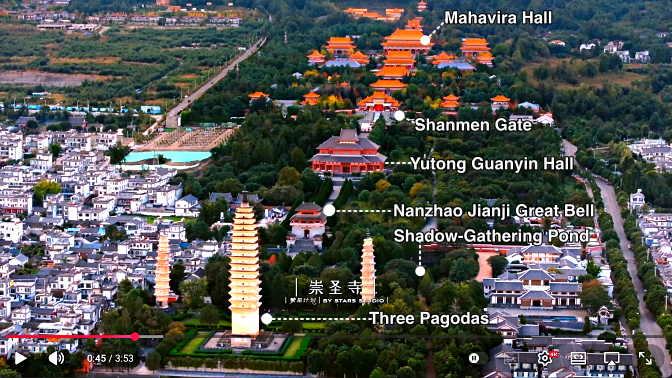
Watch: Between Cangshan and Erhai: Wandering in a Mystical Buddhist Paradise
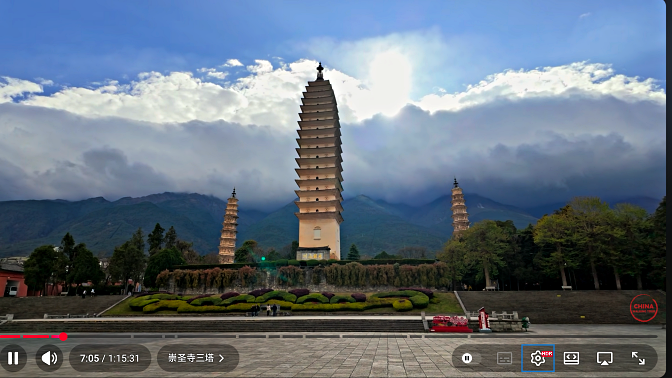
Shadow-Gathering Pond (聚影池)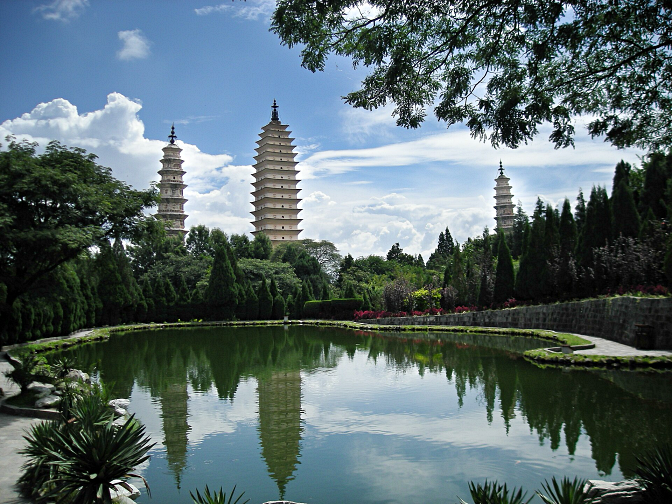 Photo by Zhangzhugang
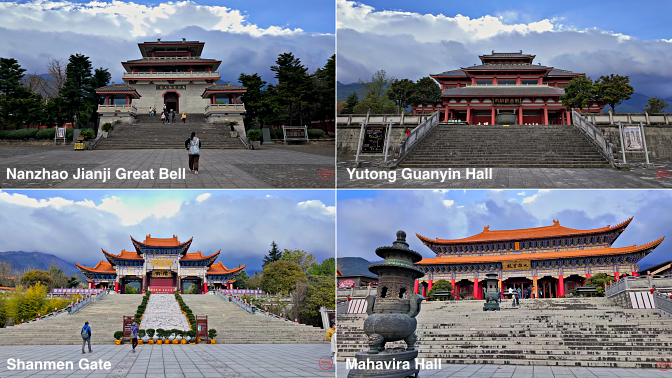 Photo from Wandering in a Mystical Buddhist Paradise
Three Pagodas Reflection Park (三塔倒影公园) is an independent attraction. Compared to Shadow-Gathering Pond (聚影池) located inside the main scenic area, this park offers a more open landscape and a quieter, less crowded atmosphere.
Tickets: Free with the main Three Pagodas ticket.
Opening Hours: 7:30 AM – 6:30 PM
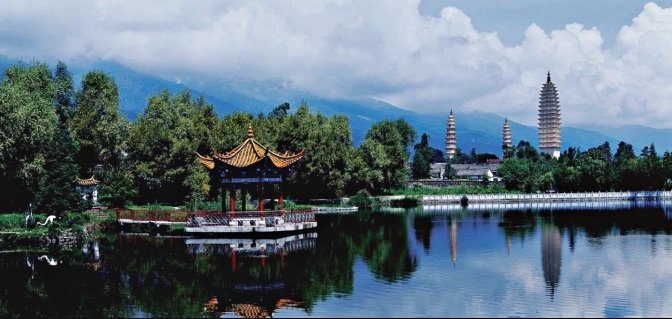 Photo by Charlie fong
Cangshan Mountain 苍山
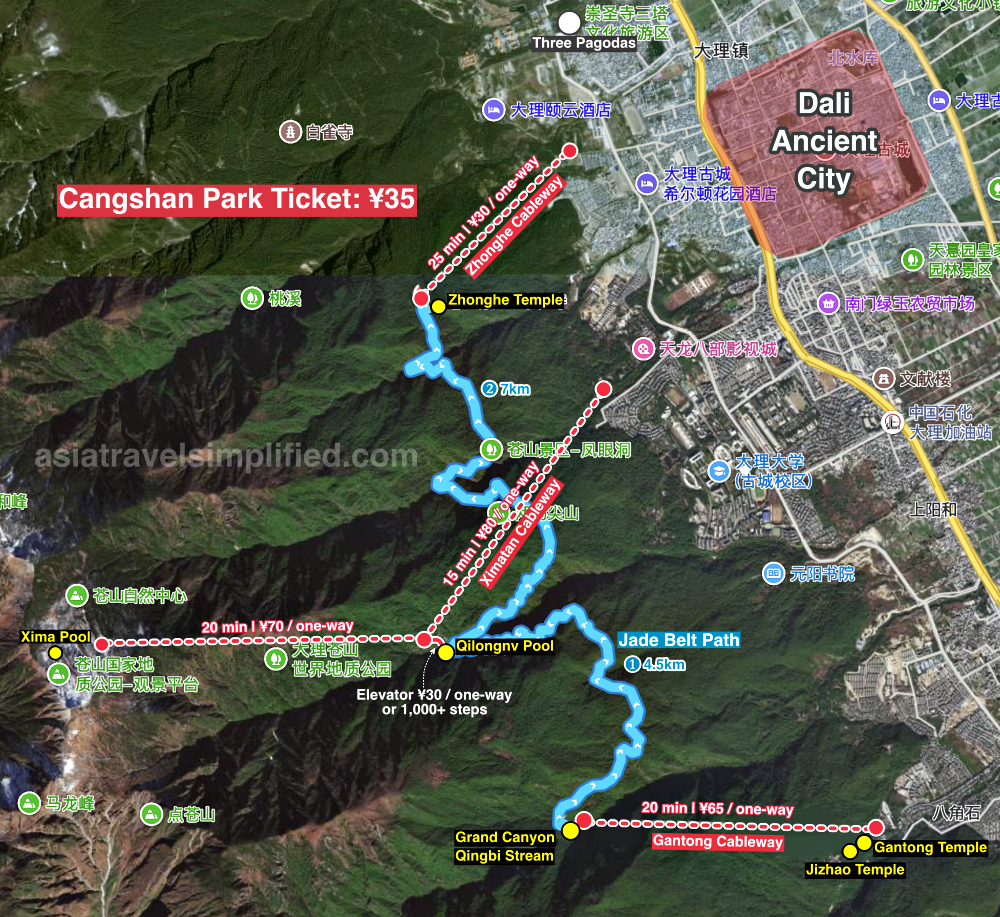
Cangshan Mountain is a scenic alpine range flanking the west of Dali, famous for its 19 peaks and glacial lakes. It features three distinct cableway routes that offer dramatic hikes and panoramic views of Dali Ancient Town and Erhai Lake.
Cangshan Mountain Scenic Area Admission Fee: ¥35
There are two primary ways to explore Cangshan Mountain:
Route 1: Ximatan Summit (High Altitude)
Take the grand Ximatan Cableway to reach the summit area at nearly 4,000 meters, where you can admire unique alpine meadows and glacial landscapes.Cableway Ride: About 35 minutes one-way (¥300 for a full-route round-trip ticket on the Ximatan Cableway). Tickets can be purchased at the cableway ticket office or on Trip.com.
Summit Hiking: An about 2 km loop on a well-maintained wooden boardwalk. Due to the high altitude, walking pace here is significantly slower.
Total Duration: Allow 3.5 to 4 hours in total.
Route 2: Yudai Road (Alpine Trail Hiking)
Yudai Road (Jade Belt Road) is a scenic hiking trail paved along the mountainside, offering spectacular bird’s-eye views of Erhai Lake. The trail is mostly flat with almost no steep inclines or declines. It intersects with all three cableways.Full Route (11.5 km): Spans from Zhonghe Temple to Qingbixi. Walking the entire trail, exploring roadside sights, and taking the cableways up and down requires at least 6 hours.
Cableway Cost: ¥95 total (¥30 for Zhonghe one-way + ¥65 for Gantong one-way).
Highlights Only (4.5 km): If you are short on time, hike the premier section between Seven Dragon Daughters Pool (Ximatan mid-station) and Qingbixi (Gantong upper station). Including sightseeing and cableways, allow at least 3 hours.
Cableway Cost: ¥145 total (¥80 for Ximatan Lower Section one-way + ¥65 for Gantong one-way).
Notice: There is an uphill climb of over 1,000 stone steps connecting the Ximatan mid-station to Yudai Road. To save your energy, you can opt for the inclined elevator to go up for ¥30 one-way.
Route 3: Gantong Cableway Round-Trip
Perfect for those short on time. Take a round-trip on the Gantong Cableway to explore Qingbixi and the Grand Canyon (approx. 2 hours total). Tickets can be purchased at the cableway ticket office or on Trip.com.Jizhao Temple and Gantong Temple at the mountain base can be easily added to this itinerary if you wish to visit temples.
| Cableway | Ticket | Duration | Opening Hours | Last Ticket Sale | Cabin Type |
|---|---|---|---|---|---|
| Zhonghe | One-way: ¥30 Round-trip: ¥60 | 25 min | 08:30 – 17:00 | 16:00 | Open 2-Seater Chairlift |
| Ximatan (Lower Section) | One-way: ¥80 Round-trip: ¥160 | 15 min | 08:30 – 16:00 | 15:30 | 8-Seater Gondola |
| Ximatan (Upper Section) | Round-trip: ¥140* | 20 min | 08:30 – 15:40 | 14:30 | 8-Seater Gondola |
| Gantong | One-way: ¥65 Round-trip: ¥100 | 20 min | 08:30 – 17:00 | 16:00 | 6-Seater Gondola |
*Note: A Full-Route Round-trip ticket for the Ximatan Cableway to the summit (combining both sections) costs ¥300. It is highly recommended to purchase the full ticket at the base office in advance, as onward ticket sales/upgrades at the mid-station are strictly subject to daily peak capacity and mountain weather conditions.
What to See at Ximatan Summit (洗马潭)
Watch: Cangshan Mountain Dali China
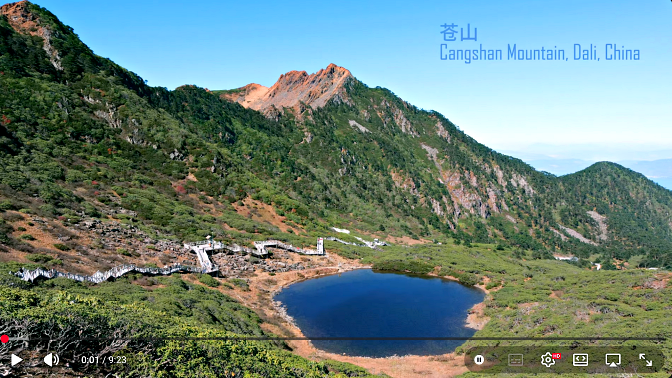
The Ximatan Cableway features enclosed, 8-passenger gondolas. The image on the right below shows the scenery you can see during the upper section of the cableway ride.
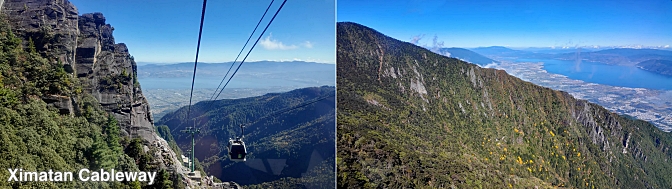 Photo from video Cangshan Mountain
The highest point of the Ximatan Scenic Area is a viewing platform at an altitude of 3,920 meters.
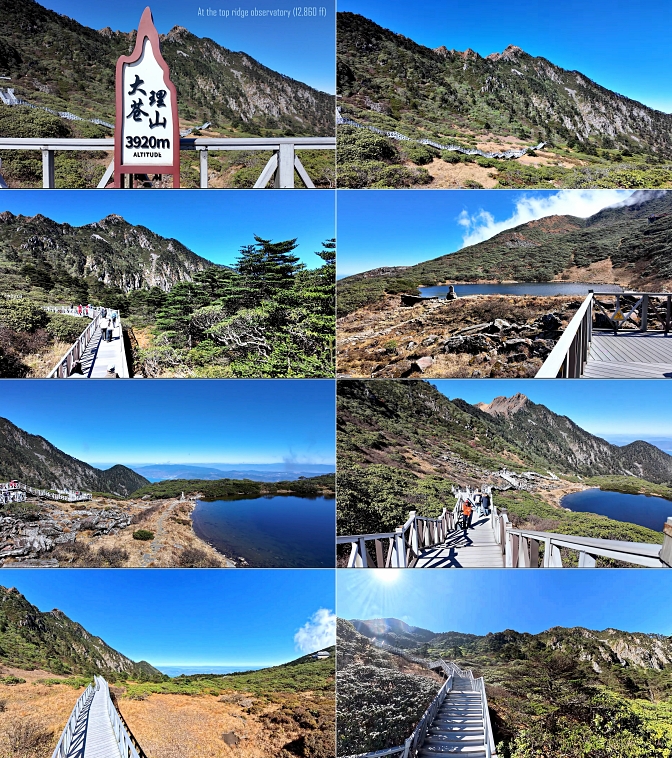 Photo from video Cangshan Mountain
What to See Along Yudai Road (玉带路)
Watch: Yudai Road: A Trail in the Clouds at 2,600m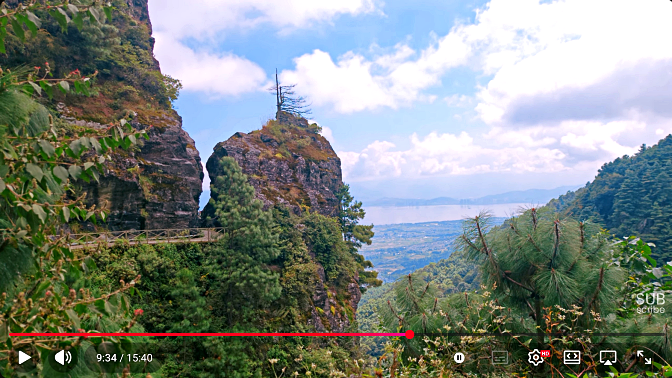
Zhonghe Cableway is an open-air 2-person chairlift, and Gantong Cableway is a 6-passenger enclosed gondola.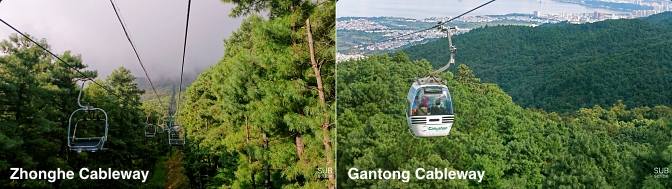 Photo from video Yudai Road
The picture below shows Qingbi Stream (清碧溪), located at the southernmost end of Yudai Road.
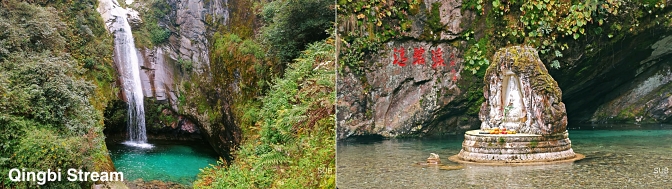 Photo from video Yudai Road
Near Qingbixi, there is a viewing platform that offers a view of the Cangshan Grand Canyon (苍山大峡谷).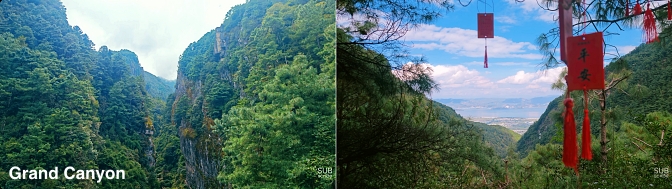 Photo from video Yudai Road
Qilongnv Pools (Seven Dragon Daughters’ Pools, 七龙女池), located near the middle station of the Ximatan Cableway. This scenic spot features a series of seven beautiful natural pools cascading down the mountain. Visitors will need to climb a number of stairs to fully explore and view all the pools.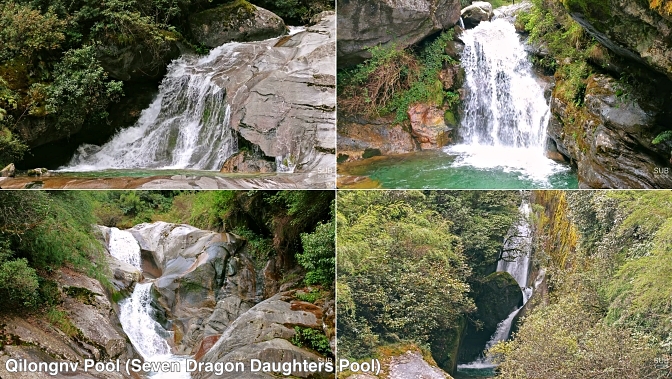 Photo from video Yudai Road
Below are pictures of the scenery along Yudai Road.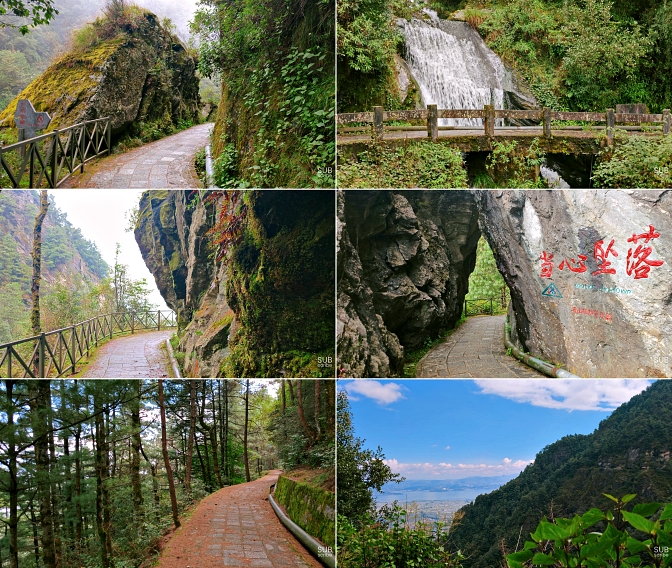 Photo from video Yudai Road
Temples of Cangshan Mountain
Jizhao Temple (寂照庵) is located near the bottom station of the Gantong Cableway and can be reached by climbing a series of stone steps. It is famously known as a unique sanctuary where beautiful succulent plants are grown instead of burning traditional incense.
The temple is also highly celebrated for its delicious vegetarian meals, served daily from 11:30 AM to 1:00 PM for 20 RMB per person. Please note that the temple has become incredibly popular, so there will be heavy crowds and long lines if you plan to dine there.
Watch: Vegetarian Dining at Jizhao Temple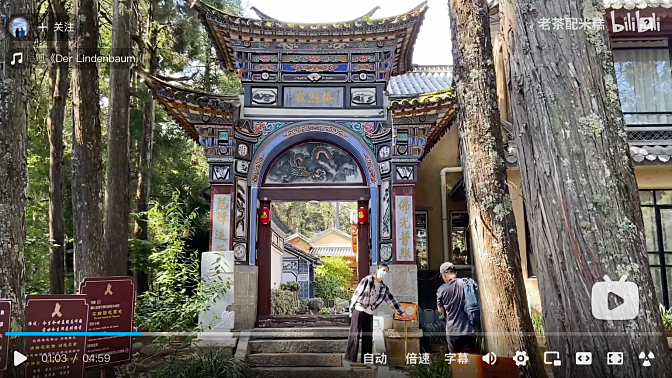
Gantong Temple (感通寺) is a very small temple located on the way from the Gantong Cableway station to Jizhao Temple, making it a perfect spot for a quick visit. It also serves vegetarian meals, but with much smaller crowds and fewer people.
Watch: The Hidden Corners of Gantong Temple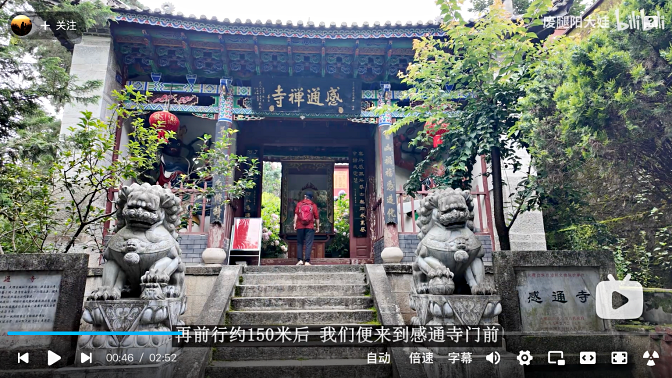
Zhonghe Temple is located at the top station of the Zhonghe Cableway and sits right on Yudai Road. The temple features a viewing platform that offers a stunning look down at Erhai Lake, and it also serves vegetarian meals.
From here, the path to Taoxi (Peach Stream) is actually another 2.8 km (one-way) section of Yudai Road; however, please note that this part is often closed to the public.
Watch: Vegetarian Dining at Zhonghe Temple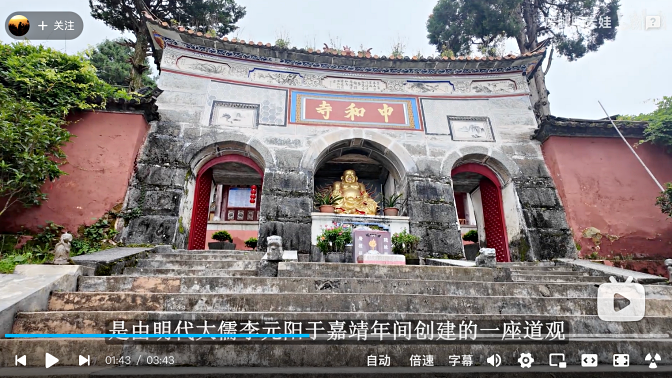
Erhai Ecological Corridor 洱海生态廊道
Erhai is the central lake of Dali and the second largest freshwater lake in Yunnan Province. Riding or driving around the lake is about 130km. A 46km section on the west coast, from Yangnanxi in the south to Taoyuan Wharf in the north, is designed as the Erhai Ecological Corridor, where motor vehicles are not allowed to enter.
Entry to the Erhai Ecological Corridor is free, and you can explore it in the following ways:
Watch the sunrise: If you start from Dali Ancient Town, it is recommended to take a ride-hailing car (like DiDi) to Longkan Wharf (龙龛码头) to enjoy the sunrise. The distance is about 4km.
Cycling: It is recommended to rent an electric-assist bicycle from private rental shops at Longkan Wharf or Caicun. It costs about 60-80 RMB per day.
Sightseeing shuttle: This is suitable for travelers who do not want to walk or cycle.
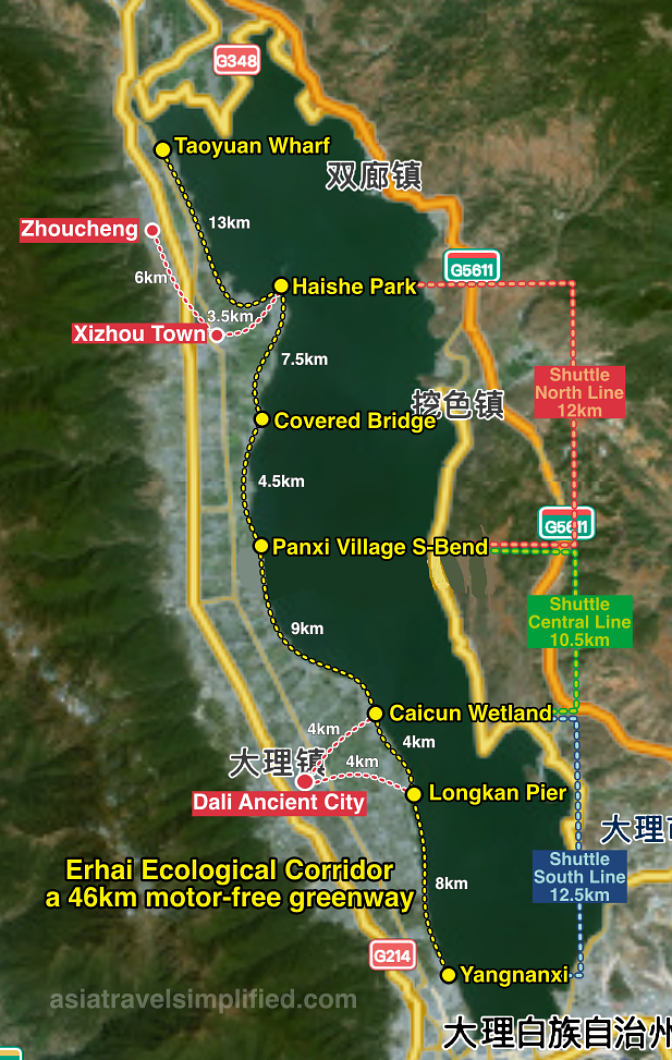
Watch the sunrise:
Most areas of the Erhai Ecological Corridor offer great sunrise views, but for travelers staying in Dali Ancient Town, Longkan Wharf is the most convenient spot, though it is also very crowded.
You can navigate by ride-hailing car to the “Sunshine Convenience Store” (阳光便利店), and then walk 300 meters to reach the lakeside.
Watch: One-Take: Longkan Wharf Before Sunrise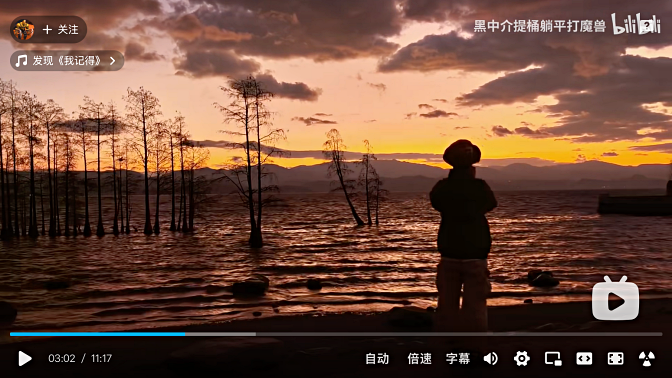
- Cycling:
Most Chinese tourists choose the official shared bicycles or electric bikes inside the scenic area because they can be returned at different locations, so there is no need to ride back. Unfortunately, this is not friendly to foreign tourists, as registration requires a Chinese ID card, and the payment apps are only in Chinese.
The most recommended way is to rent from a private shop. If you are fit, you can rent a regular bicycle. If you want to save energy, it is recommended to rent an electric-assist bicycle, which costs about 60–80 RMB per day.
It is recommended to rent a bike at Longkan Wharf (龙龛码头) or Caicun (才村), where there are many shops. You can also rent one in Dali Ancient Town, but be sure to check with the shop owner in advance whether the bike is allowed to enter the corridor.
Outside electric scooters are not allowed inside the corridor, but bicycles (including electric-assist bikes) are perfectly fine.
Bikes from private rental shops usually cannot be returned at a different location. Therefore, please save enough energy for the return ride and check the battery life of your electric-assist bike.
A recommended route is to ride from Caicun (才村) to Haishe Park (海舌公园, about 21km), then to Xizhou Ancient Town (喜洲古镇, about 3.5km), and then ride back. The whole trip is about 50km.
Some professional cyclists challenge themselves to ride around the entire lake in one day (like the video below), which is about 130km. The east coast of Erhai Lake has non-motorized vehicle lanes that are great for cycling, but they are right next to the motor vehicle lanes, so please be careful.
Watch: Dali: Erhai Lake Cycling Loop Day Trip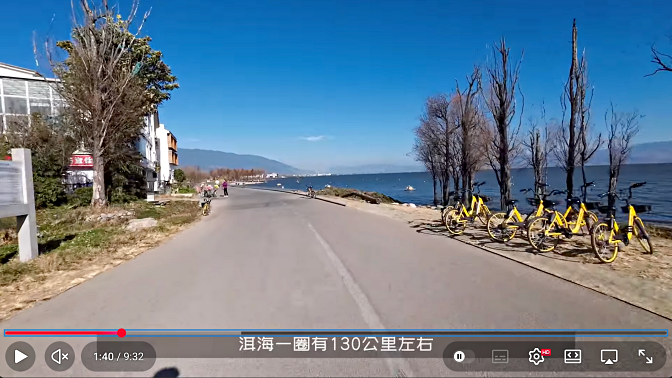
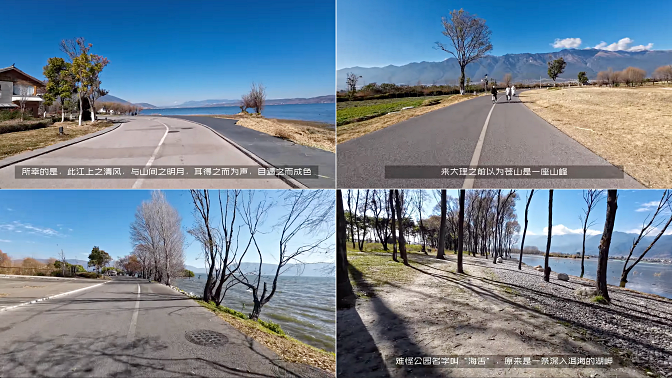 Photo From Dali: Erhai Lake Cycling Loop Day Trip
- Sightseeing shuttle:
The sightseeing shuttles are 13-seat open-air electric vehicles, run by the official tourism operator.
The route is divided into three sections: the South, Central, and North Lines. Each section is about 10–12km long and has 5 stations. The fare between each station is 10 RMB. (Note: We highly recommend buying a Round-Trip ticket instead, which costs 60 RMB and allows you to hop on and hop off up to 4 times, but please note that this ticket is only valid for one specific section.)
Taking the shuttle is simple: if you see a car with empty seats, just wave to stop it and buy a ticket on board via WeChat.
Tickets are purchased through a WeChat mini-program. To save time and avoid communication barriers, it is highly recommended to ask your hotel staff or ticket office staff at the stations to help you buy the ticket in advance. Once purchased, you can simply scan the QR code to board the shuttle.
During peak travel seasons, it is highly recommended to go to the starting station of any section to board the shuttle to secure a seat.
Operating Hours:
December to February: 8:00 AM – 7:00 PM
March to November: 8:00 AM – 8:00 PM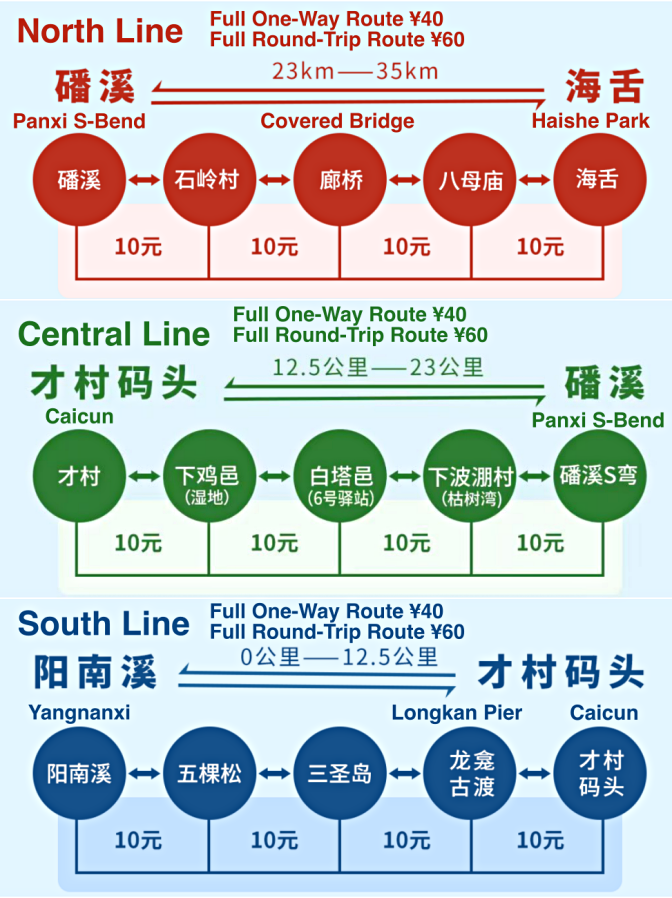
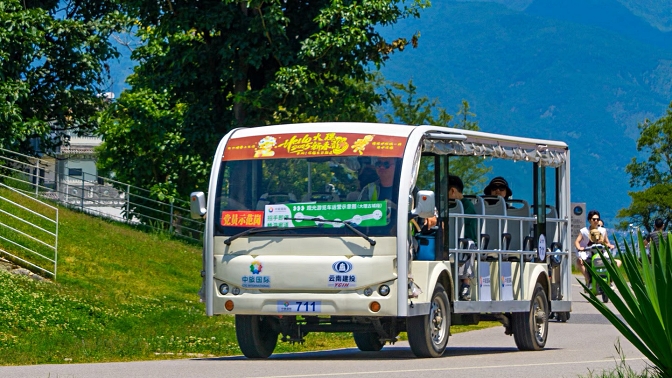 Photo From 中旅游大理官方小红书
Watch: Chasing the Erhai Breeze on a Scenic Shuttle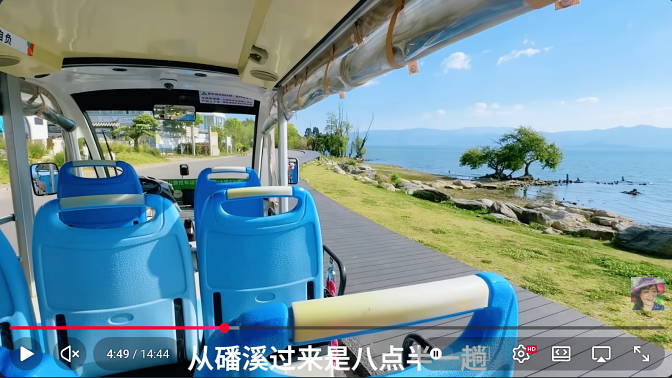
Attractions Along the Erhai Ecological Corridor:
Watch: Caicun Wetland Park, Erhai Lake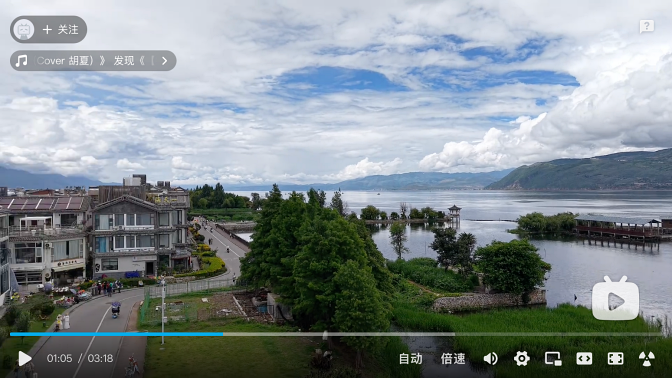
Watch: The Famous Erhai S-Bend
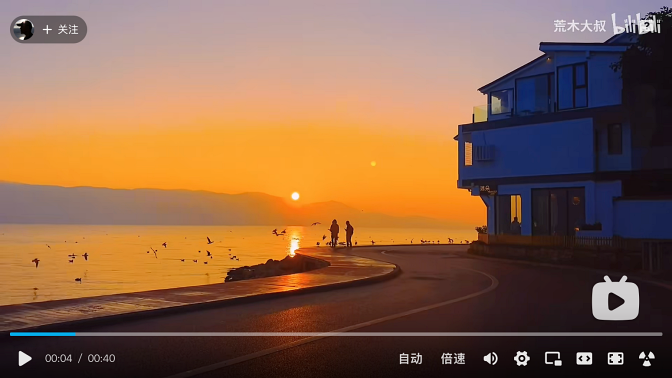
Watch: The Covered Bridge Park on Erhai Lake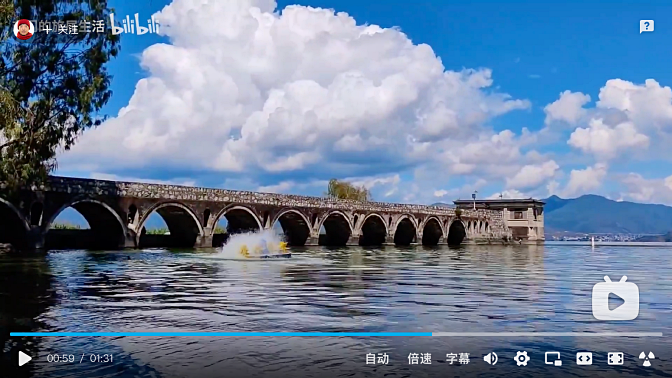
Watch: Haishe Ecological Park, Dali, Yunnan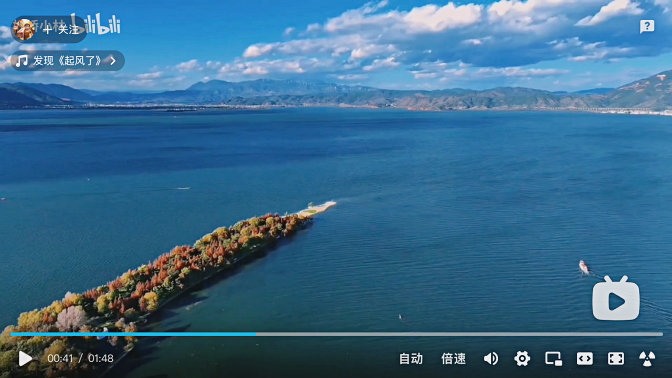
Xizhou Ancient Town 喜洲古镇
Xizhou Ancient Town is located 18 km north of Dali Ancient Town. It has a long history and was once a trade stop on the Ancient Tea Horse Road. Compared to Dali, Xizhou is smaller and less commercial.
Tickets: Free
Suggested Duration: Half a day (allow extra time if you want to try local crafts).
How to get to Xizhou from Dali Ancient Town:
Ride-hailing App (Recommended): 30–40 minutes, around 50–60 RMB. Set your destination to Xizhou Ancient Town Tourist Center (喜洲古镇游客中心).
Minibus (Not recommended for most): 30–40 minutes, around 10 RMB per person. The bus stop near the West Gate of Dali Ancient Town is hard to find, and language can be a problem. However, if you are good at finding your way and communicating (by asking your hotel or locals), it is a great choice—cheap and with frequent buses.
E-bike (Not recommended): For safety reasons, neither route is suitable for e-bikes due to heavy truck traffic.
Private Car or Day Tour: If you want a stress-free experience, this is ideal. You can combine Xizhou, Zhoucheng, and Shuanglang into a convenient one-day trip. You can easily book this on Trip.com.
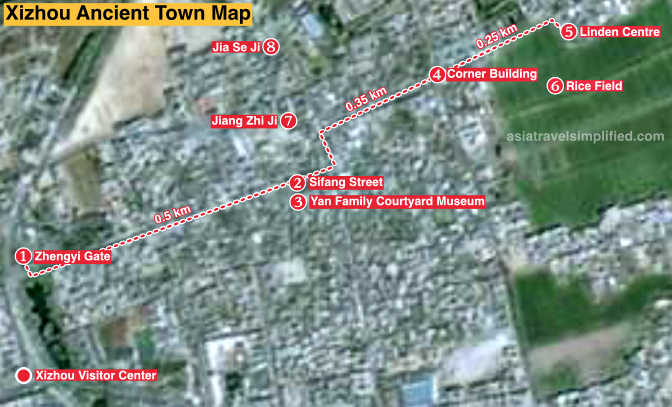
Map of Xizhou Ancient Town / Things to Do in Xizhou
Old Town Walk: ❶ Zhengyi Gate is the entrance to Xizhou, ❷ Sifang Street is the main square, and the ❹ Corner Building is a famous landmark. The streets connecting these three spots are the busiest shopping areas. If you prefer a quieter walk, you can explore the smaller side streets instead.
Visiting Bai Architecture: If you want to see traditional Bai architecture, Xizhou is the best-preserved place to visit. You can step inside the ❸ Yan Family Courtyard Museum or the ❺ Linden Centre to look closely at local building styles.
Rice & Wheat Fields: Right next to Xizhou Town, there are ❻ wide fields of wheat and rice that change with the seasons. The views are beautiful. You can take a peaceful walk along the fields or relax at a café with a view.
Experiencing Traditional Culture: If you like traditional crafts, ❼ Jiangzhi Ji Folk Arts&Crafts Centre of Dali is highly recommended. It brings together art galleries, creative shops, and hands-on craft activities, such as Dali’s local Jiama (woodblock printing) culture. In addition, there are smaller private workshops throughout the town where you can try crafts like tie-dyeing. You can also check out the ❽ JiaSeJi Agriculture & Art Museum, a spot dedicated to local life, farming, and the seasonal cycle.
Watch: Xizhou Ancient Town Street Walk
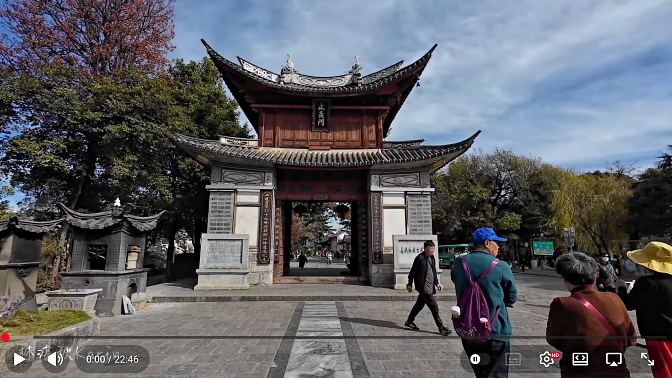
Pictured below is ❶ Zhengyi Gate (正义门), the West Gate of Xizhou Ancient Town.
Below: The top left and right show decorative archways on ❷ Sifang Street Square (四方街广场). Bottom left is ❹ the Corner Building (转角楼). Bottom right is Main Street, which is lined with souvenir shops.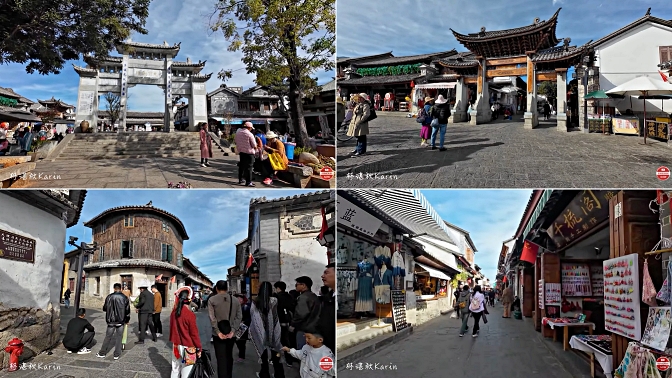 Photo from video Xizhou Ancient Town Street Walk
The entrance to the Yan Family Courtyard Museum, located on Sifang Street Square.
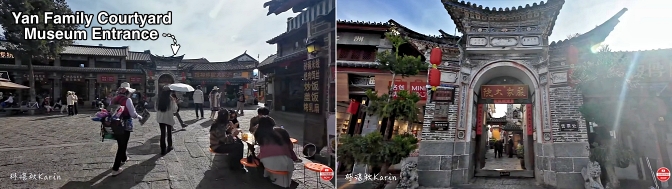 Photo from video Xizhou Ancient Town Street Walk
❸ Yan Family Courtyard Museum (严家大院博物馆): Built in 1920, the Yan Family Courtyard was the private mansion of Yan Zizhen, a wealthy merchant in Yunnan. Here, you can learn about the most typical features of Bai architecture, such as ‘Three Buildings with One Screen Wall’ and ‘Four Courtyards with Five Skylights’. You can admire delicate details like wood carvings, clay sculptures, and painted walls, and see what family life was like for a rich merchant over a century ago.
- Recommended Duration: 30 minutes to 1 hour
- Opening Hours: 8:30 AM – 6:00 PM (Last entry at 4:00 PM)
- Ticket Prices: 25 RMB on-site (discounts available on Trip.com)
- Half Price: Students, children 1.2–1.4m, seniors aged 60–69
- Free Admission: Children under 1.2m, seniors aged 70 and above
Watch: Yunnan’s Wealthiest Century-Old Mansion | Yan Family Courtyard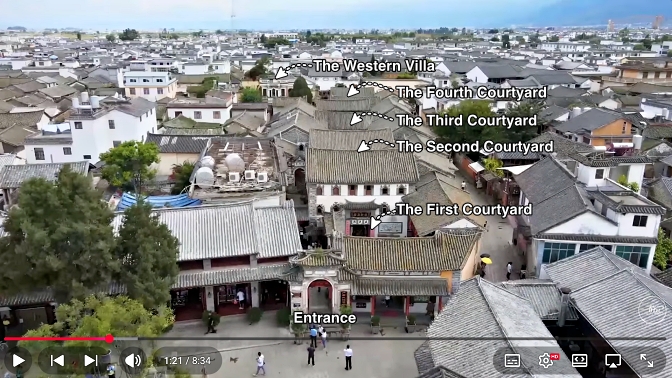
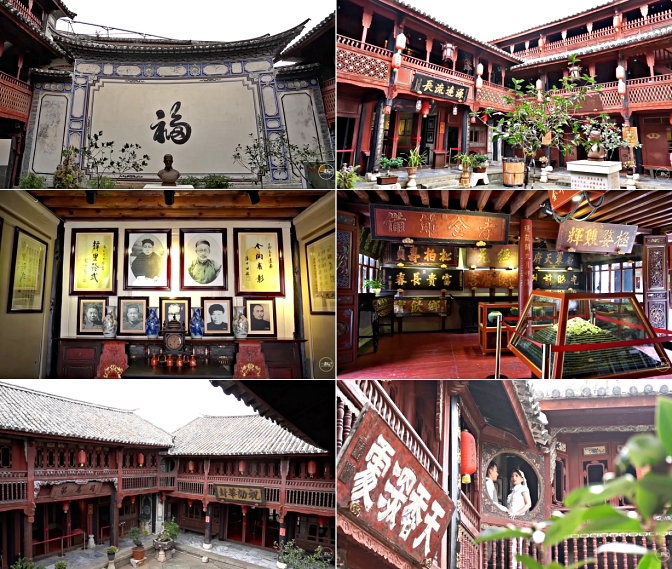 Photo from video Yunnan’s Wealthiest Century-Old Mansion | Yan Family Courtyard
❺ The Linden Centre (喜林苑): Built in 1948 as the private residence of wealthy merchant Yang Pinxiang, this property cleverly blends traditional Bai architecture with Eastern Chinese influences. Restored into a boutique hotel by American couple Brian and Jeanee Linden in 2008, it remains one of Xizhou’s top choices for travelers seeking an immersive Bai heritage experience. (Reserve at The Linden Centre · Yang’s House) Non-hotel guests are also welcome to visit the building and enjoy authentic Yunnan dishes at the restaurant.
Watch: Tour of Cool Houses with Yit | The Linden Centre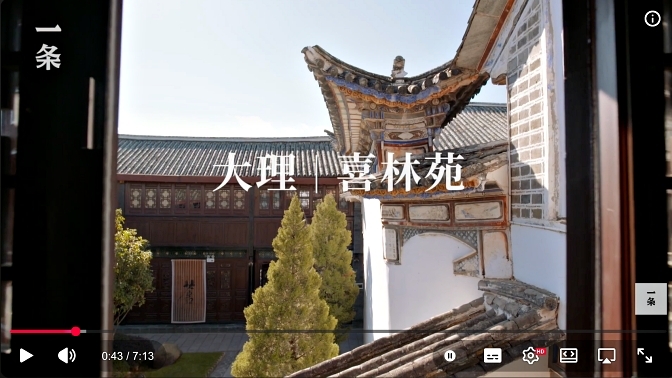
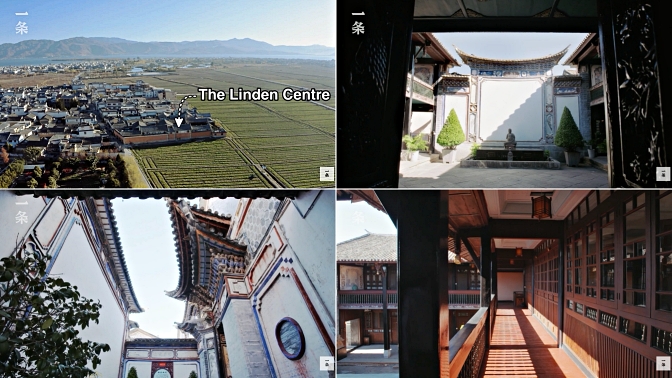
❻ Wheat & Rice Fields: The vast fields outside Xizhou Ancient Town offer different scenery in different seasons. From late March to mid-April, they are lush green waves of wheat; in May, the wheat turns golden and is harvested. From late July to early September, they become green rice fields; from late September to October, the rice ripens and turns a brilliant golden yellow, and by November it has been harvested.
How to Visit: The easiest way is to take a walk through the rice fields and enjoy the scenery. In addition, there are many cafés and restaurants with scenic views nearby.
When to Skip: Late May to June and November to December are post-harvest periods for the wheat and rice fields, when the scenery is considerably less impressive.
Watch: Encountering the Summer of Hayao Miyazaki in Xizhou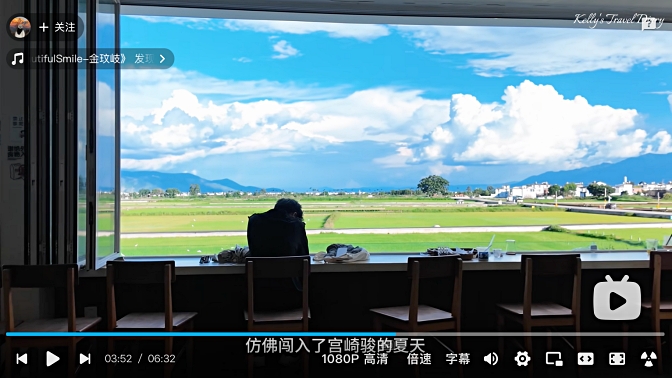
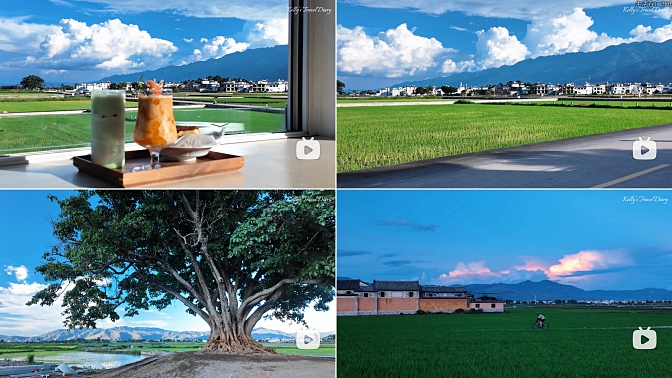
Photo from video Encountering the Summer of Hayao Miyazaki in Xizhou
Another way to experience the fields is by taking the mini train—just be prepared to wait in line during peak season.
Operating hours: 9am–6pm
Tickets: central loop (1 km) ¥35; grand loop (3.8 km) ¥70
Children: free (< 1.2 m); half-price (1.2–1.4 m)
Watch: Xizhou Rice Field Mini Train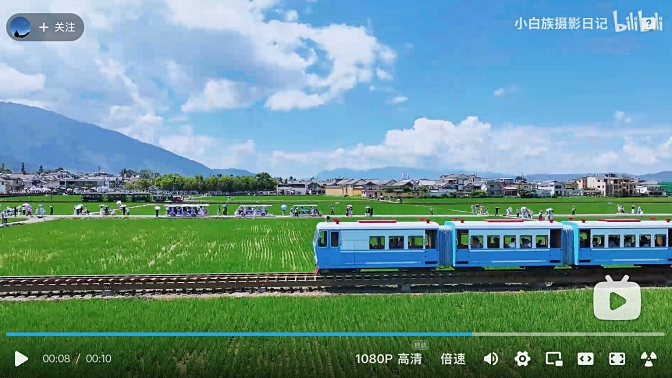
❼ Jiangzhiji (匠志集): The full name of Jiangzhiji is Heritage of Artisans, Folk Arts&Crafts of Dali. It includes two exhibition halls: Jiama Print Art Exhibition and Folk Art Craft Exhibition. The former houses more than 300 Jiama prints, while the latter mainly displays handicrafts such as pottery, fabric art, metalwork, and wool felting. There is also a Xizhou Old Street in the Jiangzhiji park, recreating the appearance of the historic Xizhou Old Street. In addition, you can personally experience traditional Dali crafts at Jiangzhiji, such as Jiama printmaking, tie-dyeing, pottery, and more.
Opening hours: 9am–7pm
Tickets: Free admission; most craft experiences cost ¥100–200.
Watch: Dali, Yunnan | Encountering Xizhou in Autumn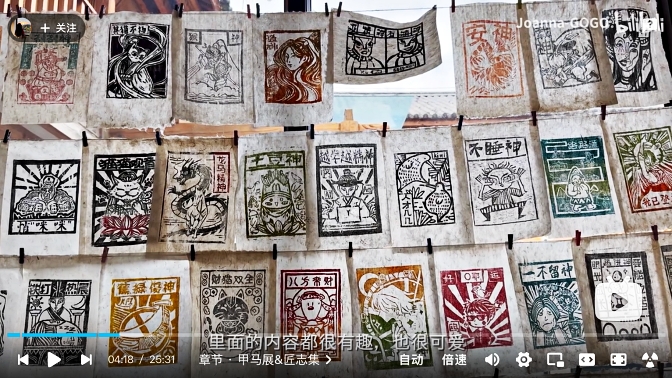
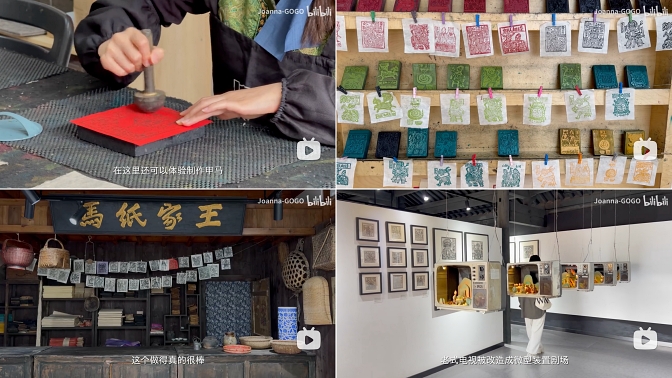 Photo from video Dali, Yunnan | Encountering Xizhou in Autumn
❽ Jiasheji (稼穑集): The official English name of Jiasheji is SOIL, SEEDS & PEOPLE Xizhou Museum of Agriculture. In Chinese, “jia” (稼) means spring plowing, and “se” (穑) means autumn harvest. All the artworks in the museum are about farming, seasons, land, and folk customs. For example, you can see 24 letters about the 24 solar terms written by children, and clay sculptures that recreate the grand ceremonies held by Xizhou people during the rice-planting season.
Opening hours: 9am–5.30pm
Admission: Free
Watch: Xizhou Jiasheji Agricultural Culture and Art Museum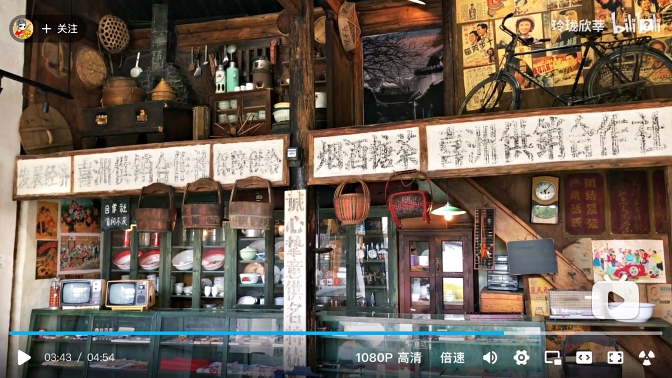
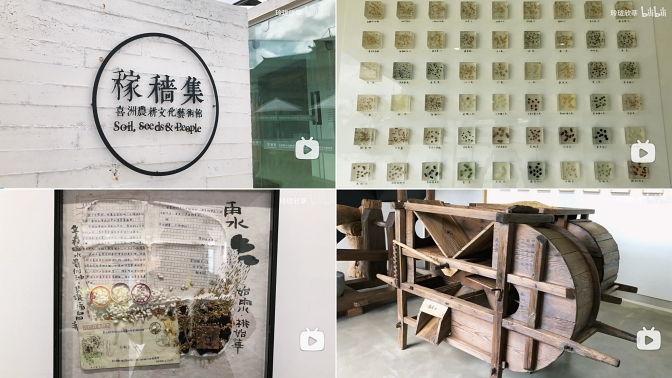 Photo from video Xizhou Jiasheji Agricultural Culture and Art Museum
Optional Attractions in Dali
Zhoucheng Village 周城
Zhoucheng lies about 7 km north of central Xizhou Ancient Town and is known as the “Hometown of Bai Tie-Dye.” Though small, it has tie-dye shops on almost every street. It is also home to the Puzhen Bai Ethnic Tie-Dye Museum, where you can learn about the craft and culture and try tie-dyeing yourself.
How to get to Zhoucheng from Xizhou: A ride-hailing trip costs about RMB 15 and takes 10–15 minutes.
Puzhen Tie-Dye Museum (璞真扎染博物馆)
Opening hours: 9am–6pm
Admission: Free
Hands-on tie-dye session: about RMB 100–200
Tips:
- Reservations are usually unnecessary in low season; in high season, ask your hotel front desk to call and book for you.
- Many studios in Dali Ancient Town and Xizhou also offer tie-dye workshops. If you’re short on time and can’t visit Zhoucheng, you can try the craft there instead.
Watch: The Hometown of Bai Tie-Dye: Walking Through Zhoucheng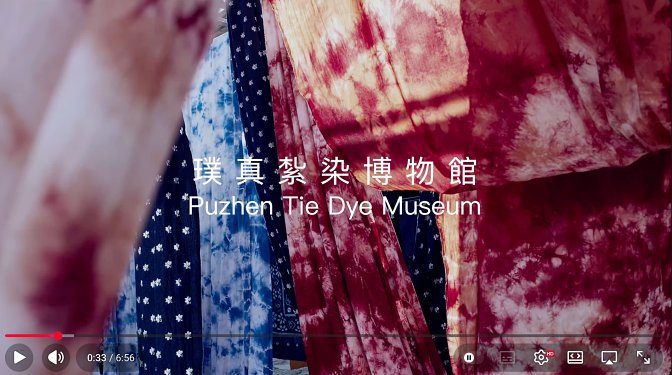
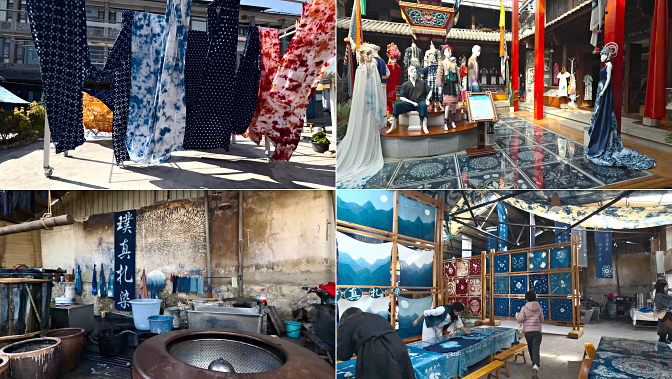 Photo from video Walking Through Zhoucheng
Shuanglang Ancient Town 双廊古镇
Shuanglang Ancient Town is in the northern part of the east shore of Erhai Lake. It is the only ancient town in Dali with its town center built right by the water.
Tickets: Free
Suggested Duration: 2–4 hours
How to get there:
Shuanglang is 50 km from Dali Old Town and 30 km from Xizhou.
As part of a private car hire / cycling loop around the lake: Shuanglang has few sights worth a special trip, so if you’re hiring a private car or cycling around the lake, visit it along the way.
Ride-hailing: Dali Old Town to Shuanglang takes about 1 hr 15 min, RMB 110–130; Xizhou Old Town to Shuanglang about 45 min, RMB 60–80.
Public transport: Mostly used by locals, with few departures. Finding routes and language barriers can be major obstacles, but fares are very cheap. If you’re good at navigating and communicating, ask the hotel front desk for the boarding location and timetable.
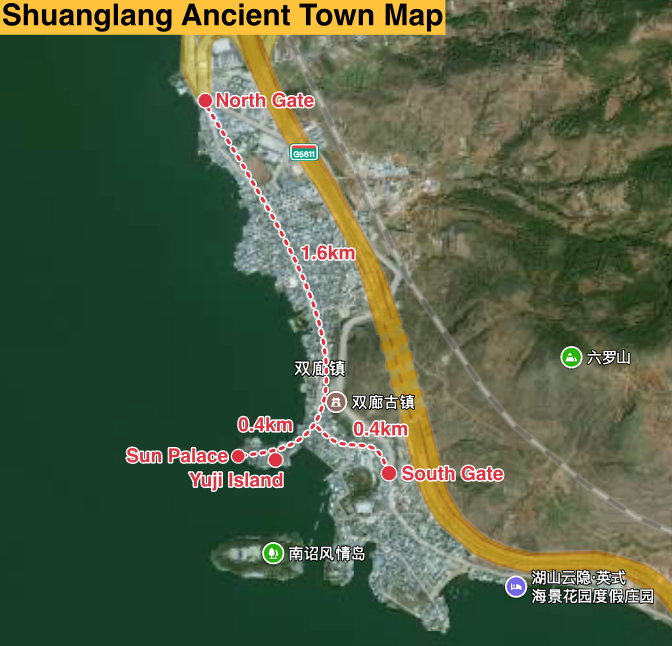
Map of Shuanglang Ancient Town / Things to Do in Shuanglang
The main street is about 2 km long. Most of it is not next to the lake, but you can walk to the water through small alleys along the way. There are also many lake-view guesthouses and cafes.
The main attraction is the Sun Palace on Yuji Island, the residence of Chinese dance artist Yang Liping. If this doesn’t interest you, you can skip visiting it.
Below is a video of the street scenes in Shuanglang Ancient Town. If you’re unsure whether to go, you can watch the video first.
Watch: This Is Shuanglang Ancient Town in Dali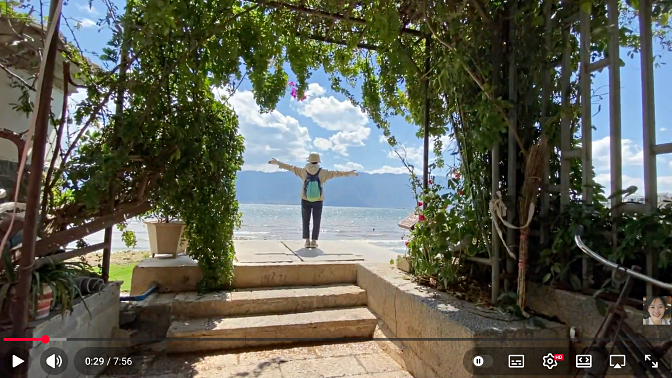
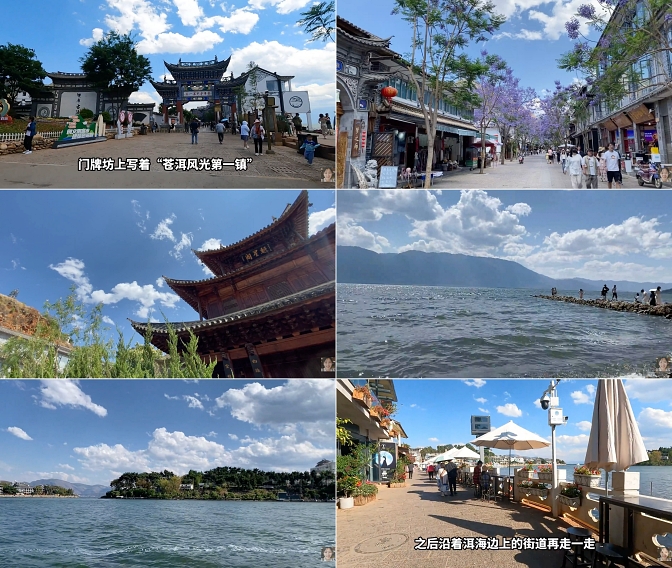 Photo from video This Is Shuanglang Ancient Town in Dali
The Sun Palace is located on Yuji Island beside Erhai Lake and is the residence of the well-known dance artist Yang Liping, who is familiar to Chinese audiences for her peacock dance. The building is now open to visitors as a place that shows the artist’s taste in life, her art collection, and her personal experiences.
There are two ways to visit. The first is free reservation, but tickets are limited and visiting times are fixed. The booking is in Chinese, so it is not very convenient for non-Chinese speakers. You can search for the WeChat mini-program “太阳宫艺术空间.” Free tickets for the next day are released at 12 noon and 12 midnight every day. Visiting hours are from 9am to 12 noon, with each half hour as a time slot, and each visit lasts half an hour.
The second way is to buy an afternoon tea package at 128 RMB per person. It includes one drink, one dessert, and a silk scarf designed with Yang Liping’s participation, and you can explore the Sun Palace freely. Opening hours are 9am–7pm.
Watch: Visiting Yang Liping’s Villa: The Sun Palace by Erhai Lake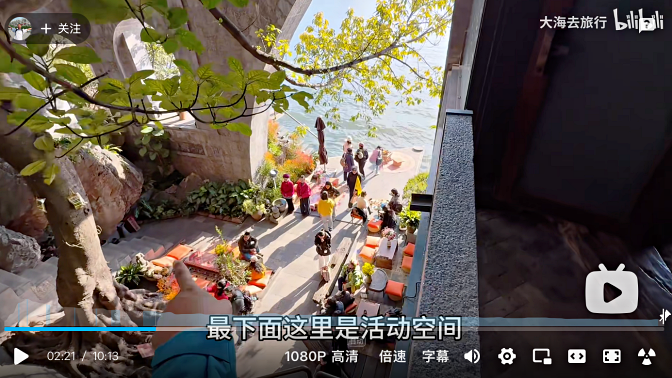
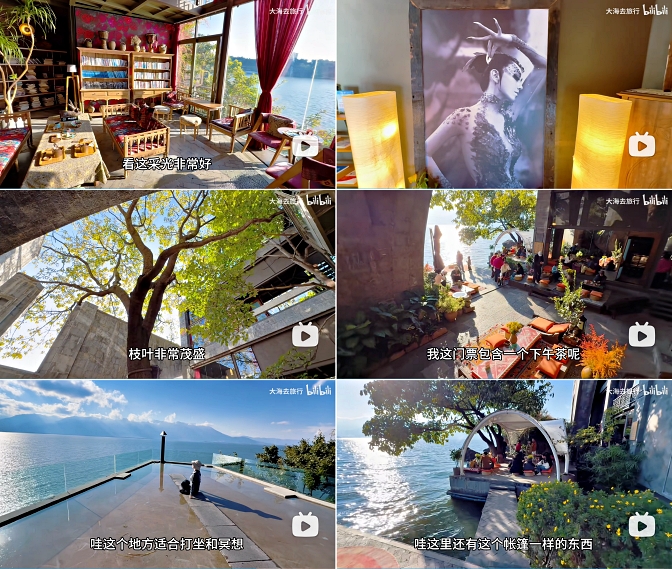 Photo from video Visiting Yang Liping’s Villa
Thank you for reading. Hope you have a wonderful journey! ̗̀(๑ᵔ⌔ᵔ๑)੭