Hangzhou Itinerary: A Complete 2 Day Guide for First-Time Visitors
Hangzhou is about 180 km (112 miles) from Shanghai, a journey of around 1 hour by high-speed train. The city covers roughly 16,850 square kilometers (6,505 square miles)—about 2.6 times the size of Shanghai. With a permanent population of around 12.62 million, it is the eighth most populous city in China. For most visitors, Hangzhou is best known for West Lake and Longjing tea.
- Spring (mid-March to mid-May) and autumn (mid-October to late November) are the best seasons to visit. Summer (mid-May to mid-October) is hot and extremely humid, feeling like a giant sauna. Winter is damp and chilly—as if there is always a thin layer of cold moisture between your skin and your clothes. Avoid traveling during Chinese public holidays; the city is a top destination for domestic tourists, and major attractions become completely overwhelmed.
- Hangzhou has a history spanning roughly 2,200 years. By the 13th century, its population exceeded one million, making it the largest city in the world at the time. Today, its GDP is around 2.19 trillion RMB, an economic scale comparable to countries like Sweden or Poland.
- Hangzhou is home to the headquarters of several major technology companies, including Alibaba Group, the e-commerce giant equivalent to Amazon in China; Unitree Robotics, a global leader in quadruped robots; and DeepSeek, arguably China’s most famous and influential AI company. However, most tourist activities are concentrated in the old town around West Lake, so you may see very little of the city’s high-tech, modern side.
- Locals are generally low-key, patient, and mild-mannered. Many take a quiet pride in their city, yet they are open-minded and welcoming to outsiders. Hangzhou was one of the first cities in China to go almost entirely cashless.
- The local cuisine is relatively light. It is less sweet than Shanghai’s and less salty than northern Chinese food, with a strong emphasis on the natural flavor of the ingredients.
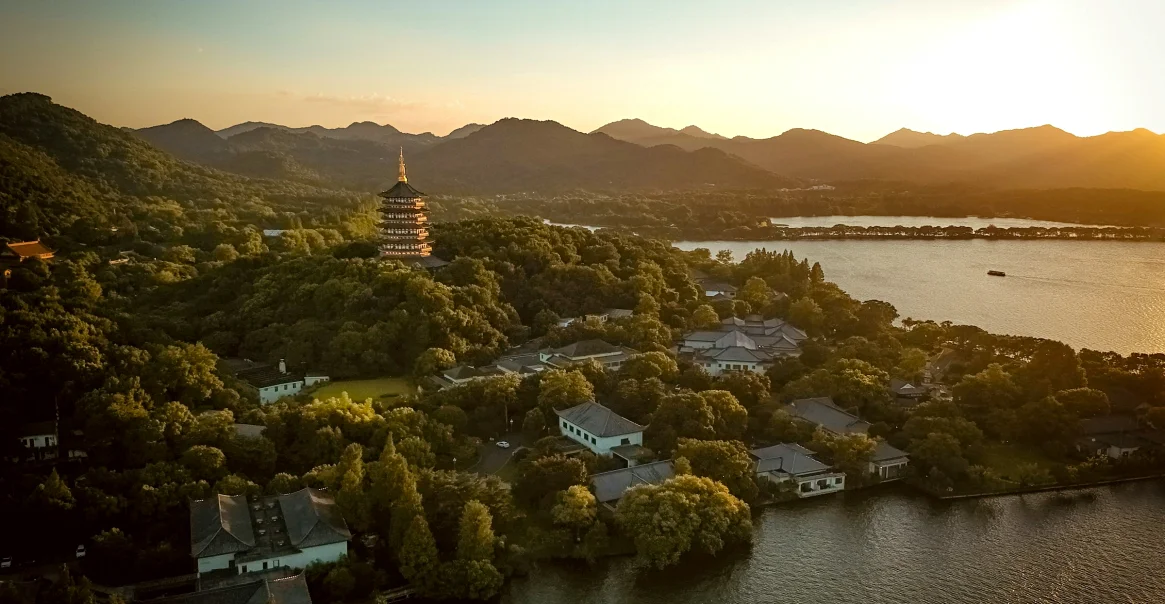 by Zhu Edward
Getting to Hangzhou from Shanghai
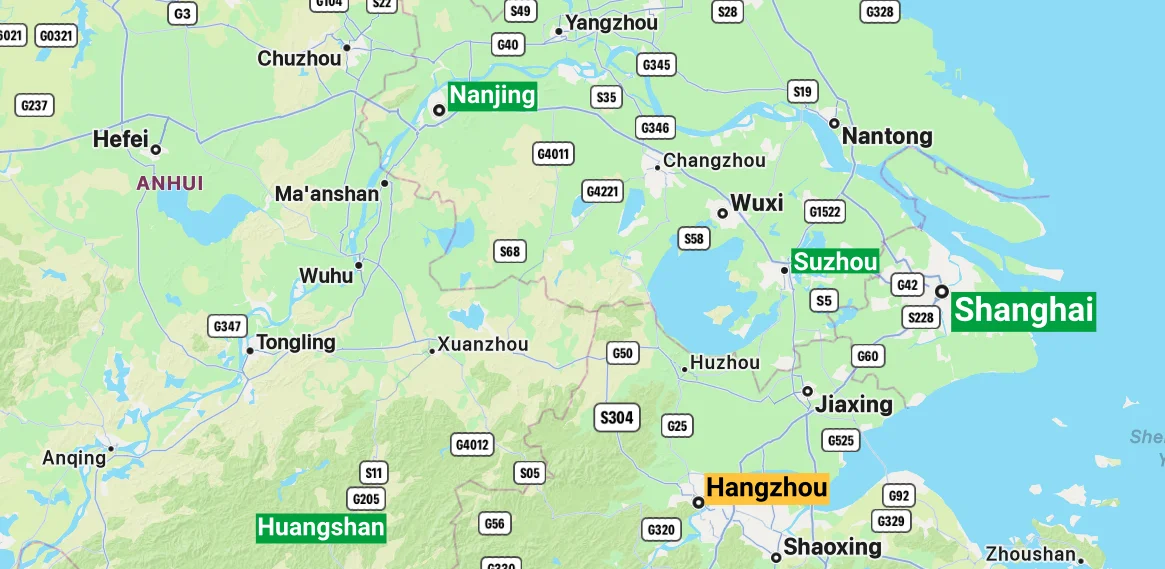
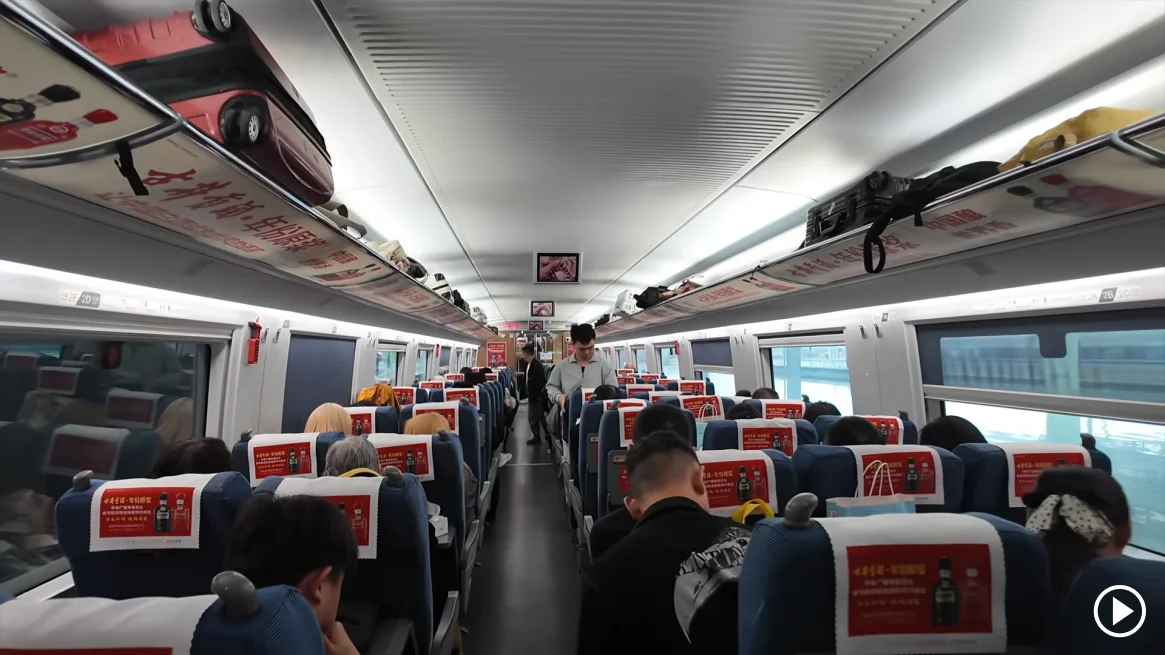
High-speed trains are the most convenient way to travel.
Departure Stations in Shanghai:
- Shanghai Hongqiao Railway Station: About 20 km (12 miles) from The Bund, or 40 minutes by car. This is the primary hub with the most frequent departures.
- Shanghai South Railway Station: About 15 km (9 miles) from The Bund, or 30 minutes by car. Note that it has significantly fewer high-speed departures compared to Hongqiao.
Arrival Station in Hangzhou:
- Hangzhou East Railway Station: Located close to the city center, this is the city’s main hub for high-speed rail.
Travel Time: 45–70 minutes
Ticket Price: Around ¥90 for Second Class
Where to buy tickets: Use the 12306 Official Website (China Railway’s official platform) or Trip.com (better for international payment methods).
Do you need to book in advance? Usually, no. Trains run so frequently that same-day booking is typically fine. However, booking ahead is highly recommended for weekends, public holidays, or if you are strictly tied to a specific schedule.
Watch: Shanghai to Hangzhou China High Speed Train Travel
Where to Stay in Hangzhou
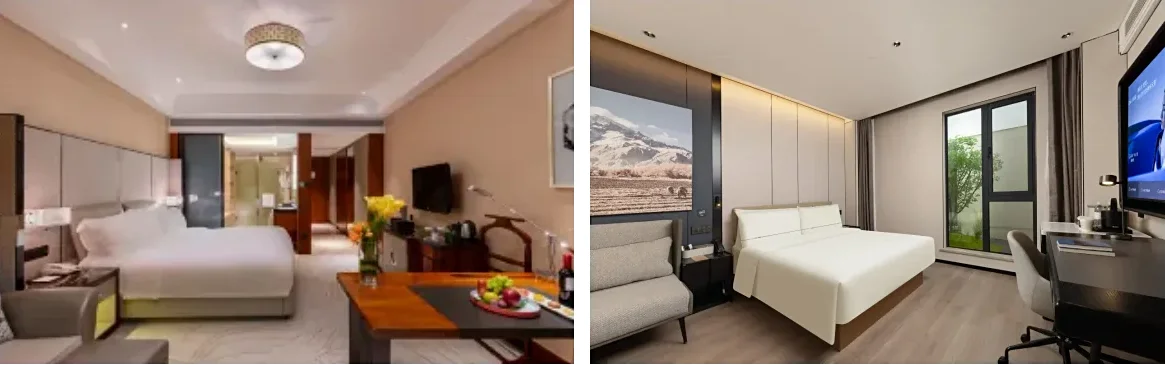
If convenience is your top priority, staying near Ding’an Road Metro Station is your best bet. If you prefer a quieter, more relaxing “resort” vibe, the western side of West Lake is a better choice.
Near Ding’an Road Metro Station
Best for: Easy transportation and quick access to West Lake.
- 5-star | Rating: 9.3
- A 5-minute walk to West Lake.
- About 10–13 minutes on foot to both Ding’an Road and Wushan Square Stations.
ATOUR X Hotel, Ding'an Road Subway Station
- 3-star | Rating: 9.6
- A more budget-friendly alternative to the Sofitel (about an 8-minute walk away).
- Excellent location—only 2 minutes from the metro station.
From Hangzhou East Railway Station:
A taxi takes about 30 minutes (around ¥40), while the metro takes roughly 32 minutes and costs only ¥2.
To Major Attractions:
Hefang Street: A 10–15 minute walk.
West Lake (Yuhu Bay area): It takes about 15 minutes by taxi to Yuhu Bay (杭州西湖风景名胜区·浴鹄湾) (around ¥20), or around 35 minutes by Bus 1314 (¥2).
Longwu Tea Village: About 40 minutes by taxi (around ¥70). For navigation apps, use “何家村何你见未来市集”.
Xianghu Scenic Area (Lotus Garden): Take Metro Line 1 to Xianghu Station (湘湖站C口), then a 10-minute taxi ride (around ¥15) to the Lotus Garden. For navigation apps, use “湘湖旅游度假区·荷花庄”.
Qingshan Lake: It takes about 1 hour 15 minutes by taxi (¥150–200), or around 1 hour 40 minutes by metro with 3 transfers (about ¥9). For navigation apps, use “青山湖水上森林”.
OMG Heartbeat Paradise: A direct shuttle to the park departs from the Sofitel Hangzhou Westlake parking entrance (reservation required). Travel time is about 1.5–2 hours.
The Quiet Western Side of West Lake
Best for: Scenic surroundings, peace and quiet, and a resort-style stay.
Important: Since you’ll rely on taxis, be prepared for long wait times for ride-hailing (Didi) during peak hours and holidays.
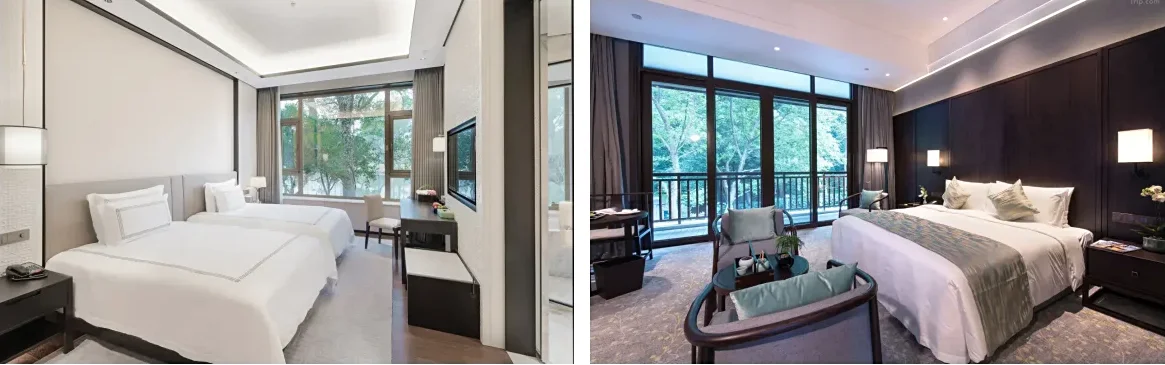
- 5-star | Rating: 9.7
- Massive landscaped gardens; arguably the best way to experience the “quiet” West Lake.
- Room quality varies. Entry-level rooms are a bit dated; I highly recommend upgrading to a higher category.
- This property often hosts state banquets and foreign leaders, so certain villa areas are restricted to regular guests.
- 5-star | Rating: 9.5
- A smaller, more intimate boutique feel with great reviews and slightly lower prices than the State Guesthouse.
From Hangzhou East Station: A taxi takes about 40 minutes (around ¥60).
To Major Attractions:
- Hefang Street: About 20 minutes by taxi to Gulou (鼓楼, Drum Tower) (around ¥25).
- West Lake (Yuhu Bay area): Right at your doorstep. The State Guesthouse is near Maojiabu (茅家埠), while YAGU Resort is close to Yuhu Bay (浴鹄湾).
- Longwu Tea Village: About 35 minutes by taxi (around ¥60). For navigation apps, use “何家村何你见未来市集”.
- Xianghu Scenic Area (Lotus Garden): About 35 minutes by taxi (around ¥60). For navigation apps, use “湘湖旅游度假区·荷花庄”.
- Qingshan Lake: Take a taxi to Huanglong Sports Center Station (黄龙体育中心, ~15 minutes, around ¥20), then transfer to the metro to Qingshanhu Station (about 1 hour with 1 transfer, around ¥9). For navigation apps, use “青山湖水上森林”.
- OMG Heartbeat Paradise: Take a taxi to Wulinmen Square Metro Station (Exit E, ~25 minutes), then board the direct shuttle bus (reservation required). Total travel time is about 1.5–2 hours.
Hangzhou Itinerary & Getting Around
Day 1: Arrival & Exploring the Outskirts:
- Morning: Arrive via high-speed train from Shanghai, check in or drop off your luggage, and grab lunch.
- Afternoon: If you’re visiting between mid-March and mid-April, I highly recommend hiking through the tea hills around Longwu Tea Village, when the fresh spring greenery is at its best. During the warmer months, especially from late spring onward, boating through the Qingshan Lake Water Forest is a better choice, as the scenery becomes much more lush and impressive.
- Evening: If you still have the energy, take a stroll around Hefang Street for snacks and local crafts.
Day 2: The Quiet Side of West Lake & Departure:
- Morning: Spend your morning walking or taking a boat ride along the quieter western side of West Lake. Starting early is key to beating the crowds.
- Afternoon: Head back to the railway station for your return journey.
Key Notes:
- West Lake Crowds: The lake area becomes extremely packed, especially in the afternoon. This itinerary is designed to help you experience the lake at its most peaceful (Day 2 morning).
- Qingshan Lake Logistics: Qingshan Lake is quite a distance from the city center. If you plan to go, have an early lunch to ensure you have enough time.
- OMG Heartbeat Paradise: This is a full-day commitment. If you want to visit, I suggest adding an extra day between Day 1 and Day 2.
Map of Hangzhou Attractions: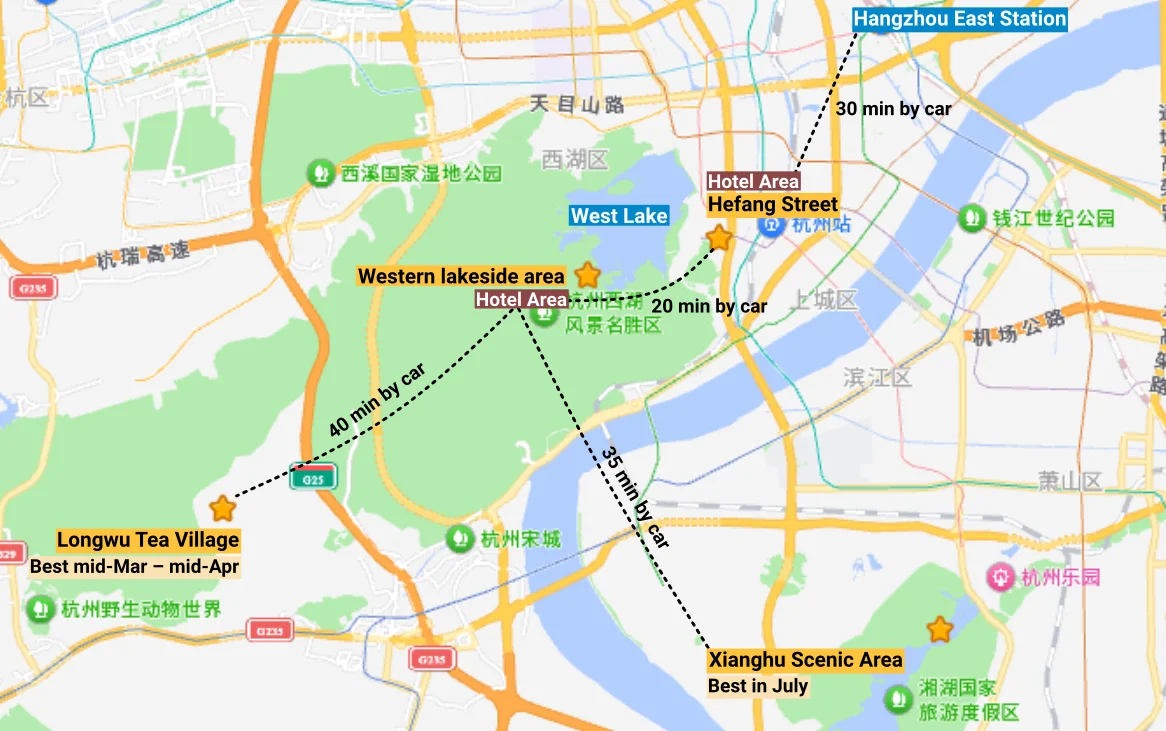
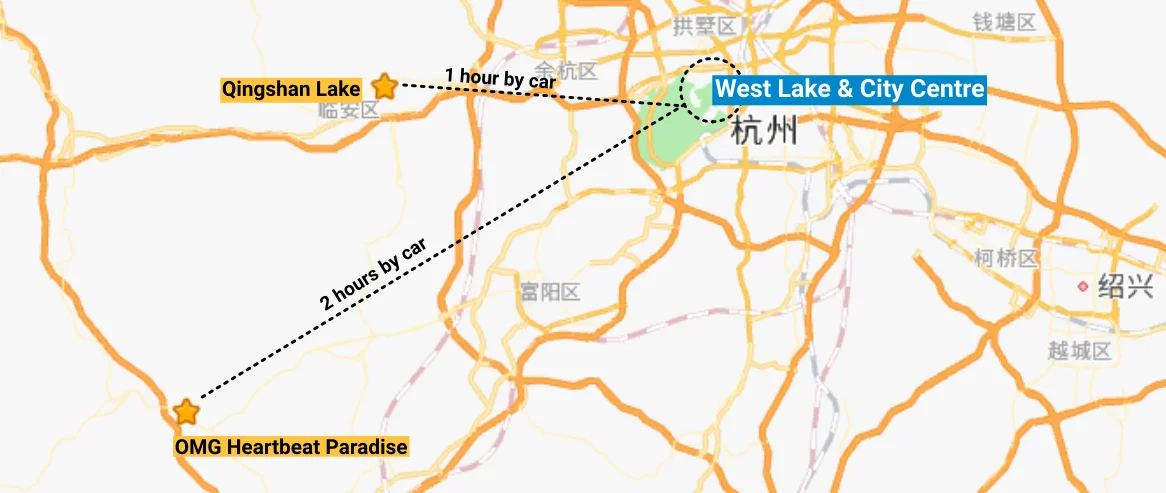
Getting Around Hangzhou:
- Taxi / Ride-hailing: This is the most convenient way to travel. However, traffic around West Lake can be a nightmare on weekends and holidays—always factor in extra time for delays.
- Metro: Currently, Hangzhou’s metro gates do not support tap-to-pay with international credit cards. The most seamless way to pay is by scanning the transport QR code within Alipay. Check this tutorial: Travel Smart in China with Alipay.
Attractions in Central Hangzhou
West Lake
West Lake is Hangzhou’s iconic landmark. It is celebrated not only for its natural beauty but also for the endless poems, stories, and legends woven into its history. Almost every corner of the lake has its own folk tale or historical significance.
For many Chinese visitors, a trip here is a cultural and historical pilgrimage. Because of this, the most famous routes center on cultural references that international travelers might find difficult to connect with—and these spots are often extremely crowded. For most overseas visitors, a simpler and more rewarding approach is to focus on the lake’s natural scenery instead.
Hours: 24 hours
Recommended Visit Time: 2–4 hours
How to Visit West Lake
- Go Early: Morning is the best time. Crowds surge in the afternoon.
- The Quiet Western Lakeside Walk: For the most peaceful experience, I highly recommend exploring the western side of West Lake, a quieter lakeside area that includes Maojiabu (茅家埠), Wuguitan (乌龟潭), and Yuhu Bay (浴鹄湾). Unlike the main scenic areas, this side has no metro stations nearby and fewer major landmarks, so it is rarely visited by large tour groups and remains much more relaxed throughout the day.
- Stay Local: To experience the lake at its most peaceful, stay near the West Lake State Guesthouse or YAGU Resort and start your walk before 9 AM.
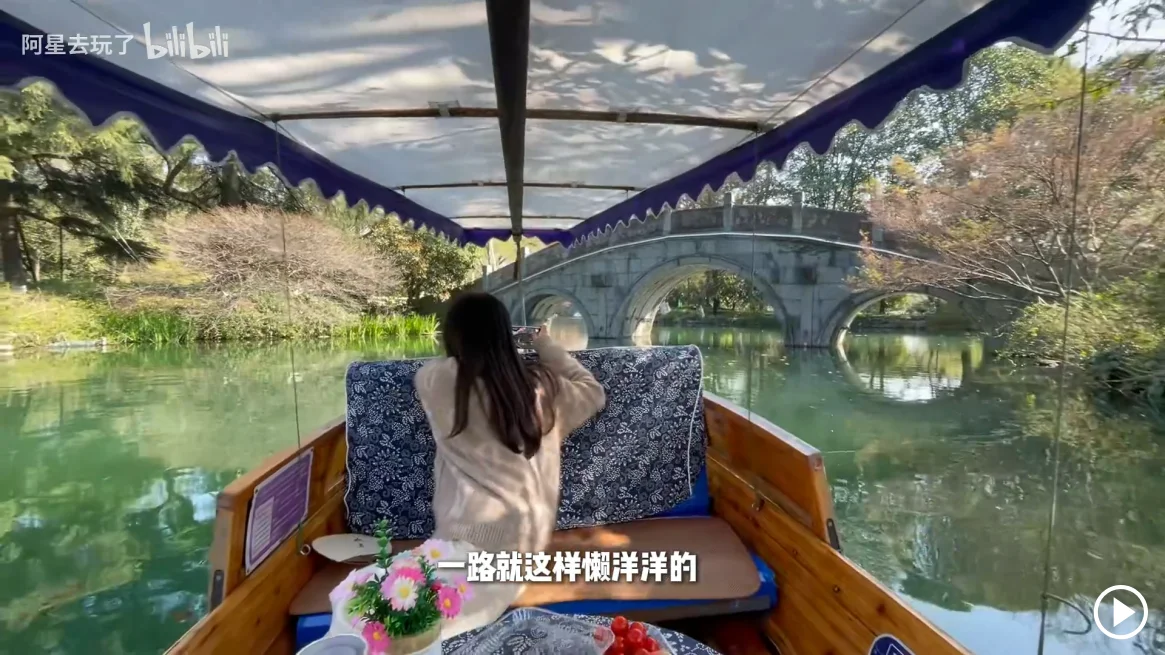
- Boating: Avoid the large sightseeing boats (often noisy) and public ferries (crowded with poor views). For a premium experience, head to Wuguitan for a traditional rowboat.
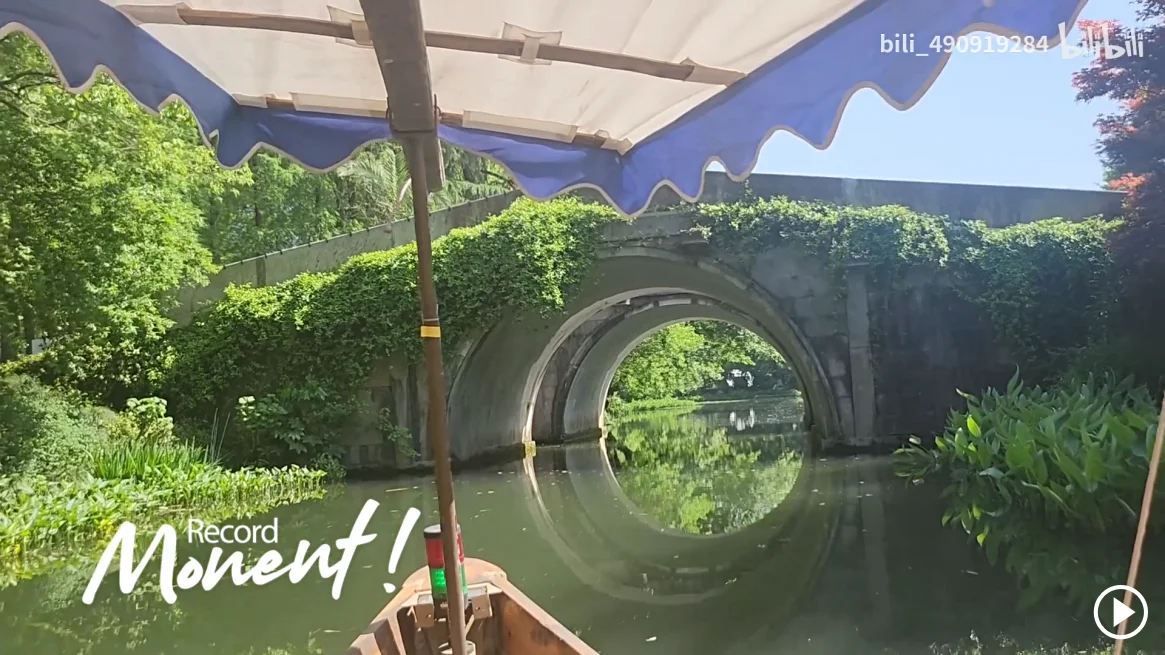
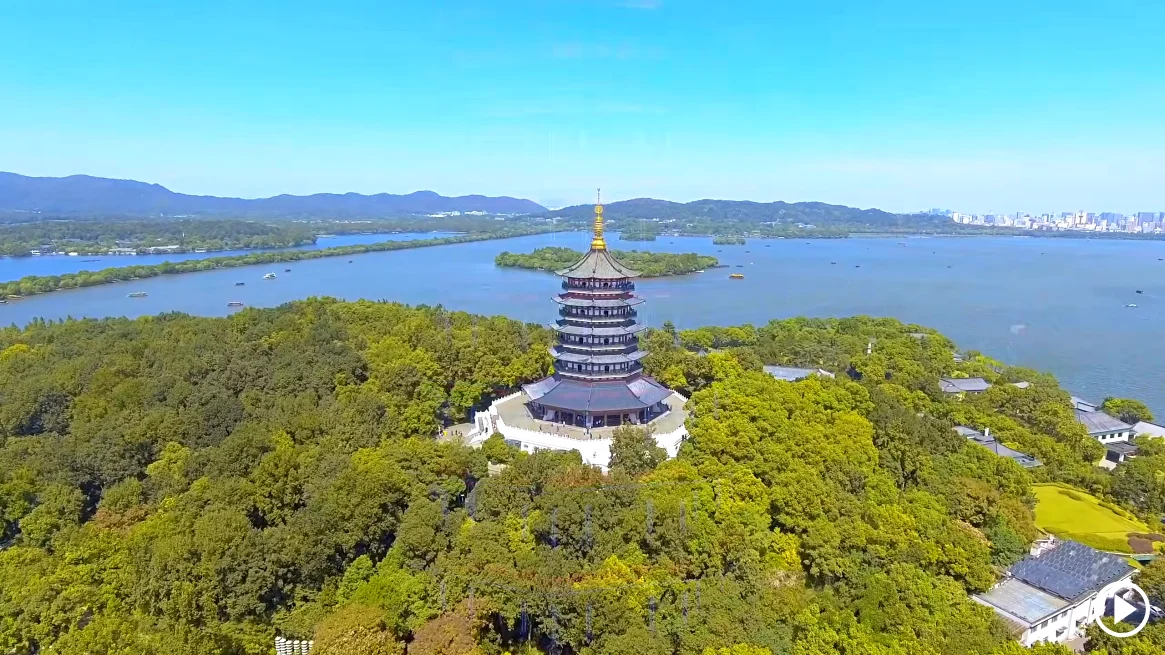
- Best Views: For a panoramic view of the entire lake, head to Leifeng Pagoda.
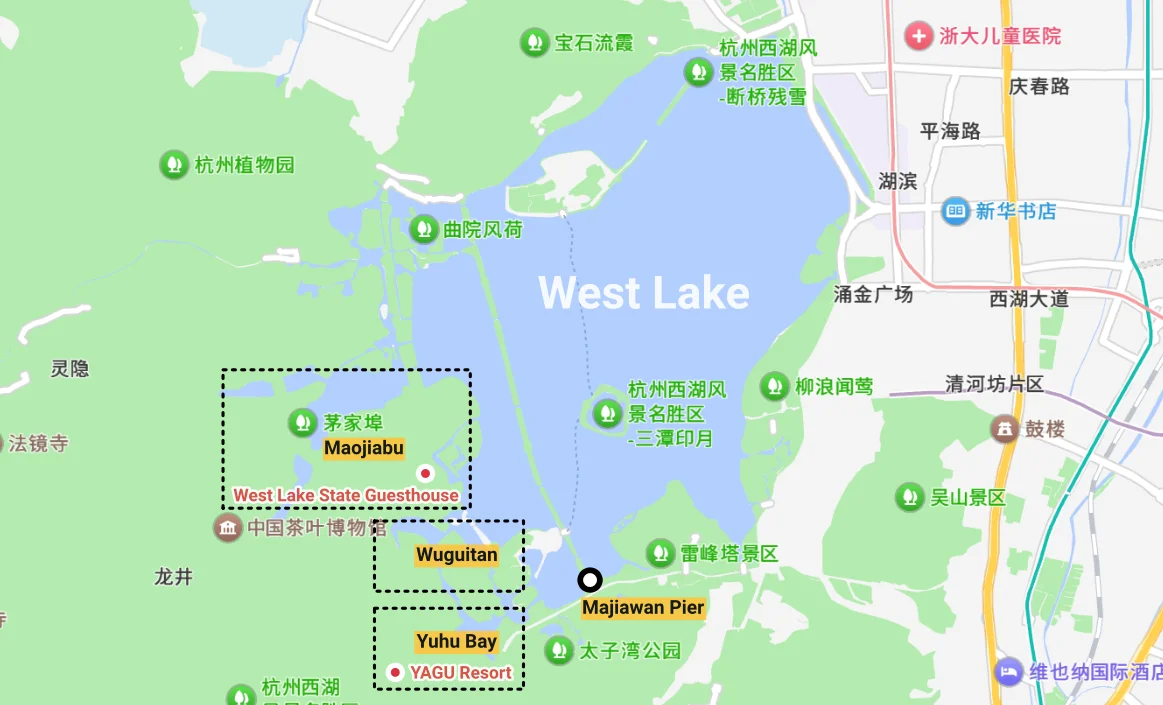
Traditional Rowboat Experience (Wuguitan)
Pier: Majiawan Pier 西湖手划船马家湾码头
Hours: 7 AM – 3 PM
Duration: Nearly 2 hours.
Route: When boarding, tell the boatman you want the “Wuguitan route” (乌龟潭路线). This circular route offers the best scenery and returns you to the same pier.
Pricing:
- Hand-rowed boat (手摇船 Max 4 passengers): ¥300 per boat. Seating is at the front and back—ideal for photography.
- Sculling boat (摇橹船 Max 6 passengers): ¥360 per boat. Seats are along the sides.
- Note: Both are manually operated. Payment is via QR code onsite; no reservations. Pro Tips:
- Boats stop during strong winds, but rain is usually fine.
- You can bring your own snacks and drinks (onboard tea is ¥50).
- These boats are viral on Chinese social media, so expect long waits on weekends.
Watch: 来西湖如果只坐一条船…
Watch: 坐手摇船游西湖
Leifeng Pagoda
Standing 71.6 meters (235 feet) tall, Leifeng Pagoda offers one of the best vantage points over West Lake. Originally built in 977 AD to house Buddhist relics, the original structure collapsed in 1924. The current pagoda was completed in 2002.
Admission: Adults ¥40
Hours: 8 AM – 7 PM
Duration: 30–60 minutes.
Inside the Pagoda: Each of the five levels features unique art, from wood carvings of the White Snake legend to golden domes and observation decks. Don’t miss the base level, which displays the archaeological ruins of the original 10th-century pagoda.
Quick Tips:
- Skip the Elevator: The lines are long; the stairs are usually much faster.
- The Legend: The pagoda is famous for the “Legend of the White Snake,” a tale of a snake spirit who marries a human, only to be imprisoned beneath the tower by a monk. Today, most Chinese audiences prefer the modern version where she is eventually rescued.
Watch: Hangzhou, China 🇨🇳 4K UHD | Drone Footage
Hefang Street & Historical Alleys
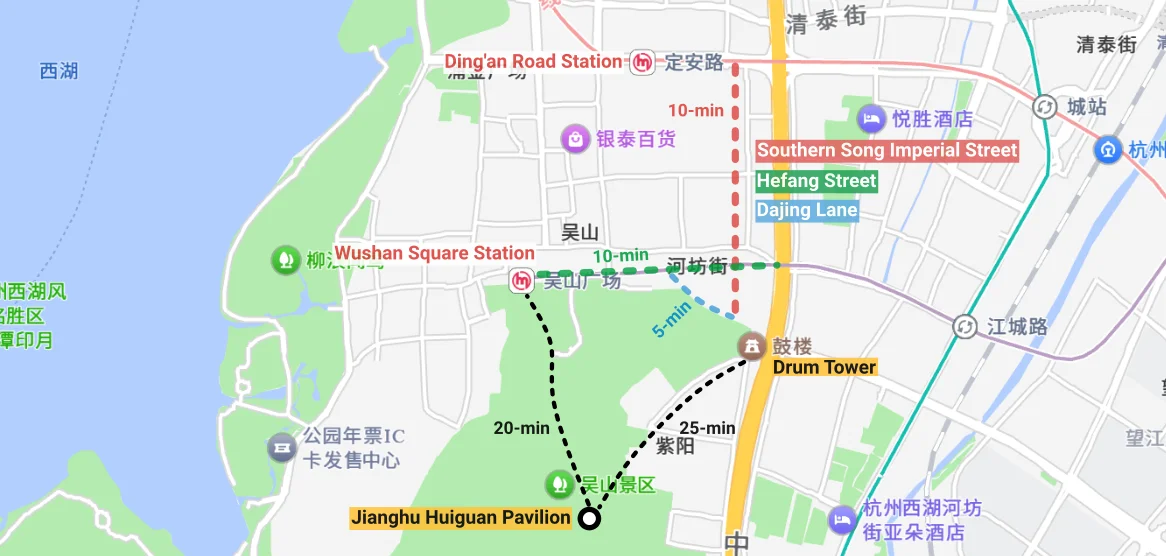
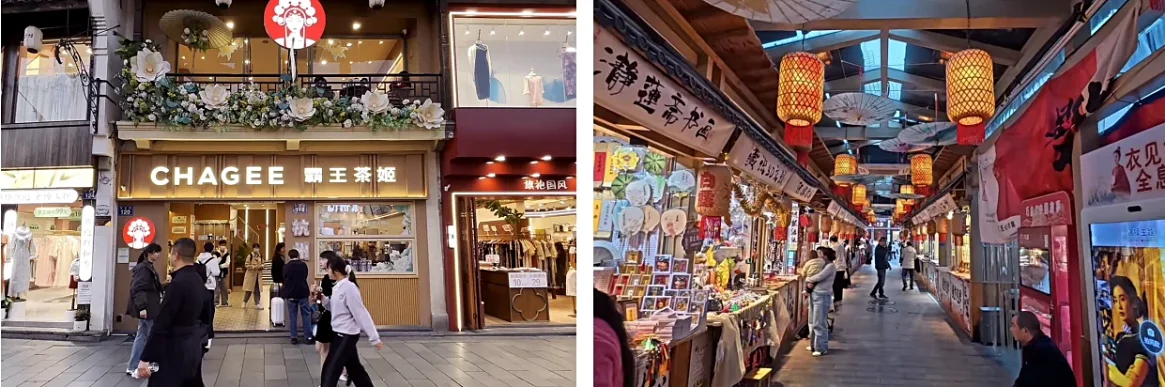
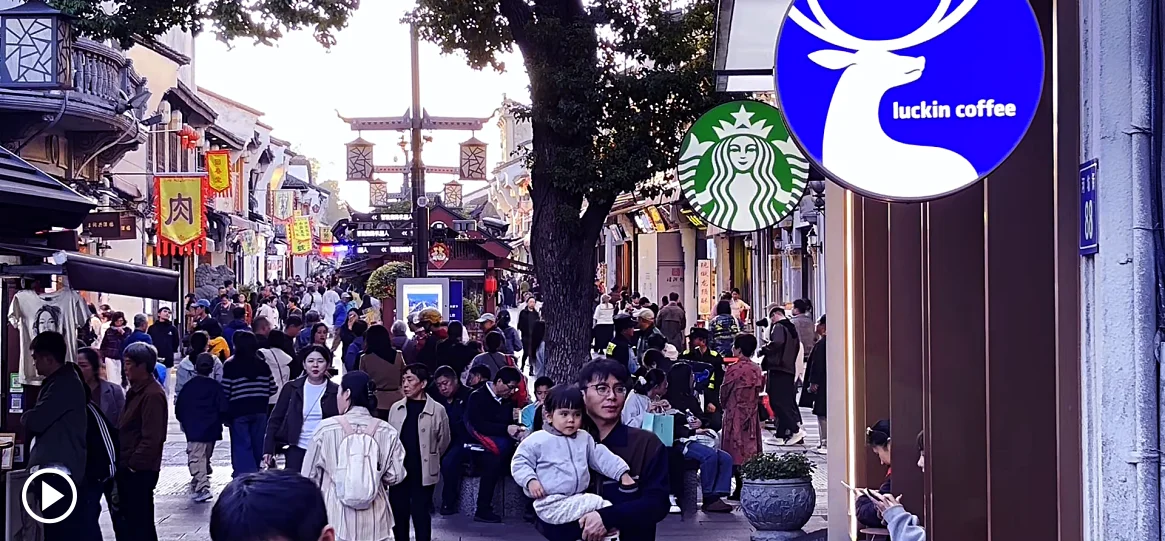
Hefang Street is about 1,800 meters (1.1 miles) long, though most visitors stick to the central 500-meter stretch. Historically one of Hangzhou’s busiest commercial hubs, it is now a lively mix of historic shops, snack stalls, and souvenir stores. The atmosphere is quite similar to Yu Garden in Shanghai—vibrant and crowded, but also heavily commercialized. Hefang Street connects directly with Southern Song Imperial Street and Dajing Lane. I recommend exploring these three together as a single walking tour.
Recommended Visit Time: 30 minutes – 2 hours.
Suggested Walking Route:
- Take Metro Line 1 to Ding’an Road Station (Exit D 定安路) and walk 5 minutes to the Imperial Street entrance.
- Southern Song Imperial Street Historically the ceremonial route used by emperors for rituals. Today, it’s lined with boutique hotels, quiet cafés, and cultural shops. It is much more peaceful than Hefang Street.
- Hefang Street The main artery and the busiest section. This is where you’ll find the bulk of the street food and traditional snacks.
- Dajing Lane A 270-meter lane known for design stores, creative boutiques, and specialty cafés. It’s a great place to escape the noise of the main street.
- Drum Tower (Gulou) Located at the end of Dajing Lane, this was one of the historical gates of ancient Hangzhou. From here, you can easily catch a taxi or walk 15 minutes to Wushan Square Metro Station.
Hefang Street is the typical “pedestrian shopping street” found in almost every major Chinese tourist city. While it’s a fun place to soak up the energy and grab a snack, it isn’t necessarily a “unique” Hangzhou experience. If your schedule is tight, skipping it is perfectly fine.
Watch: Hefang Road - Hangzhou’s “Must Visit” Old Town District
Optional Short Hike:
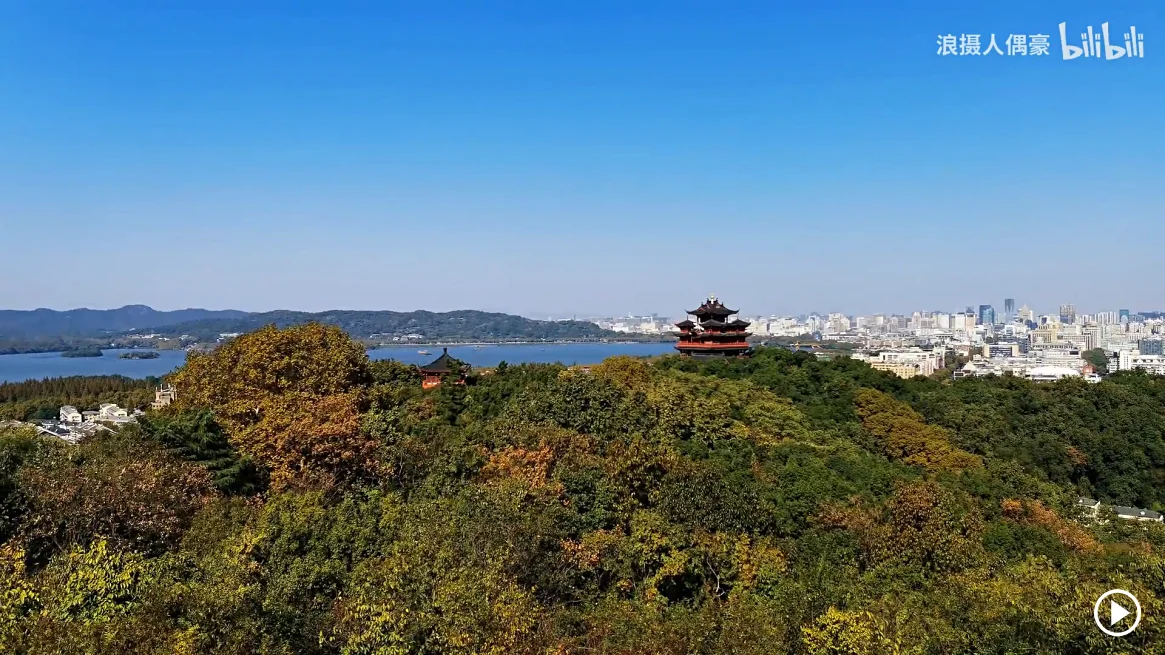
If the weather is clear, you can take a relaxed 25-minute uphill walk from Gulou to Jianghu Huiguan Pavilion (江湖汇观亭). The climb is quite gentle, with an elevation gain of less than 90 meters (295 feet), so it’s suitable for most visitors. From the top, you’ll be rewarded with a wide bird’s-eye view of the surrounding hills and the Hangzhou skyline. On the way back, you can descend via a different path that leads directly toward Wushan Square Metro Station.
Watch: 吴山江湖汇观亭手机拍城隍阁西湖延时
Longwu Tea Village
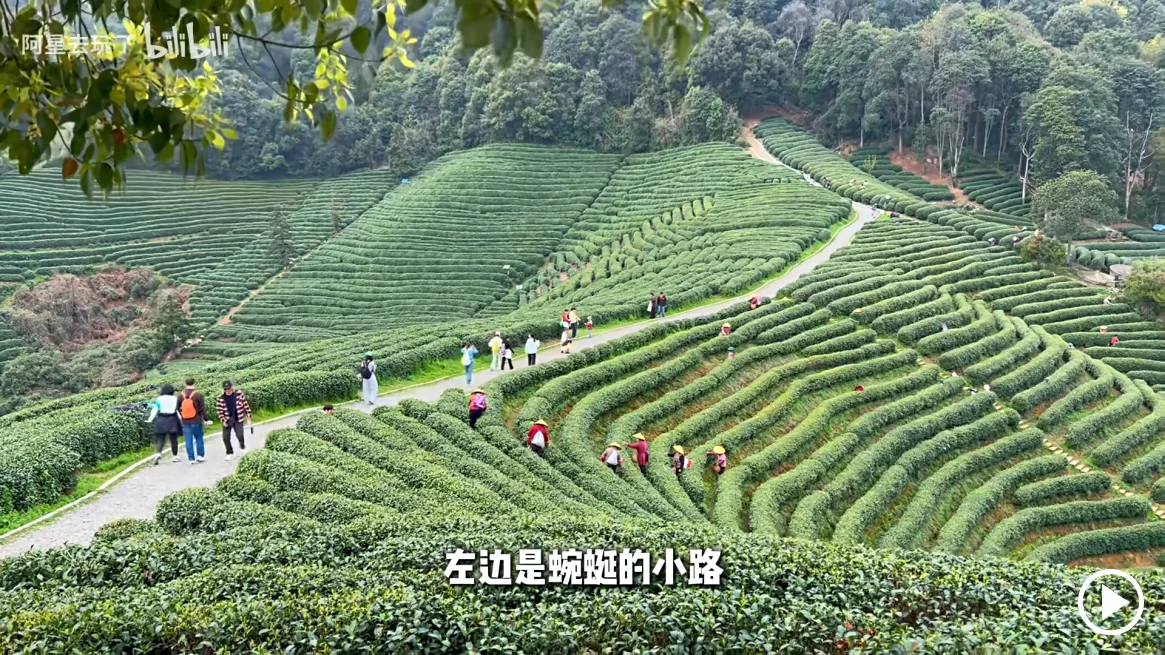
Hangzhou has several tea-growing regions, and most tea hills are open to the public for free. While many guides recommend Longjing Village due to its proximity to the city center, it is often overrun by tour groups. A far better alternative is Longwu Tea Village, located about 15 km (9 miles) from downtown. The tea fields here are much more expansive, the scenery is superior, and the atmosphere is significantly more peaceful.
Best Time to Visit: Mid-March to mid-April.
This is when the hills are at their most beautiful, covered in vibrant, lime-green leaves and perfectly manicured tea bushes.
Admission: Free. You can walk directly into the tea hills.
Recommended Hiking Route:
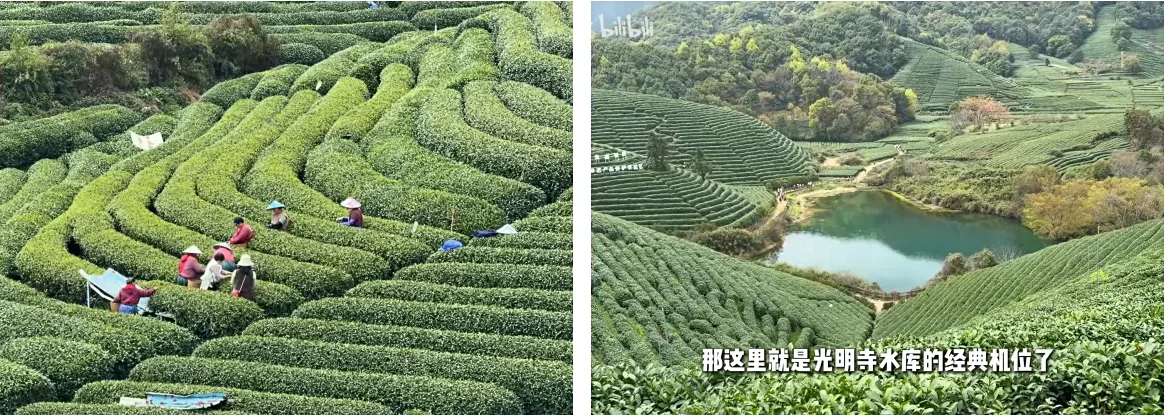
Hejia Village Market (何家村市集) → Guangming Temple Reservoir (光明寺水库) → Huangmei Pavilion (黄梅亭) → Guangming Pavilion (光明亭) → Guangming Temple Reservoir (光明寺水库) → Hejia Village Market (何家村市集)
Total Distance: ~3.5 km (2.2 miles)
Elevation Gain: ~200 meters (656 feet)
Duration: 1.5–2 hours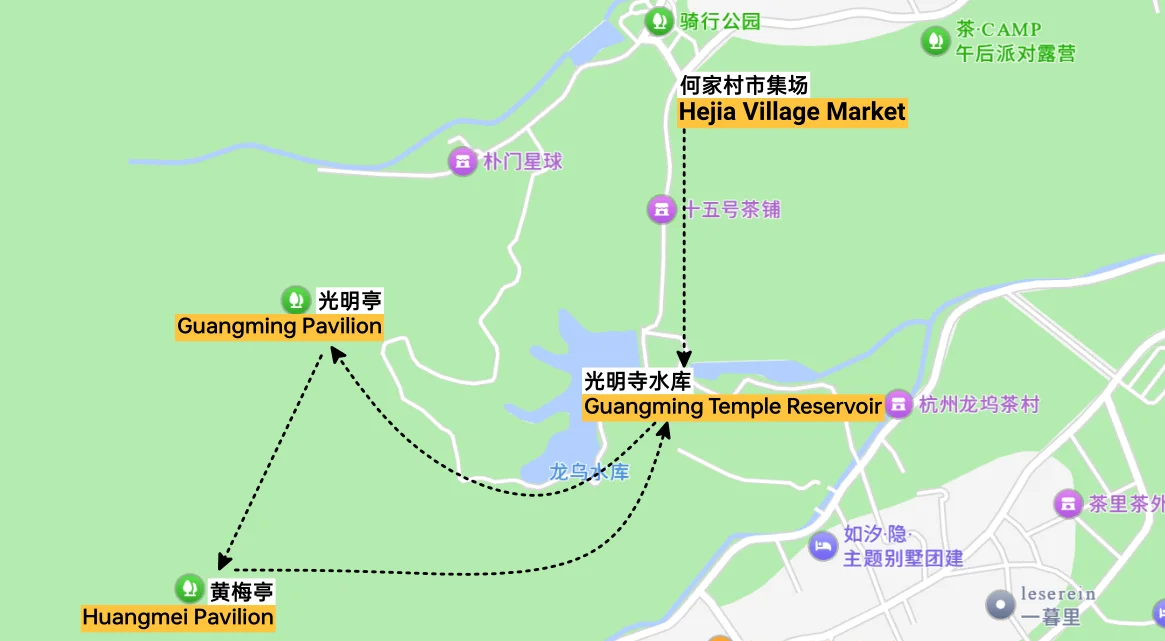
Getting There:
The easiest way is to take a taxi or Didi directly to: “Hejia Village · Henijian Future Market 何家村何你见未来市集” (~40 mins from central Hangzhou).
Understanding the Seasons
- Tea bushes enter dormancy in winter, during which farmers prune them into shape. This makes mid-March to mid-April the “golden window”—the bushes appear round, neat, and strikingly green. If you arrive before 9 AM, you’ll likely see farmers hand-picking the fresh buds.
- Late April: Post-harvest pruning begins, leaving the hills looking flatter and barer.
- July: New leaves grow back, but the bushes look “messy” and unstructured. Combined with Hangzhou’s sweltering summer heat, hiking is not recommended.
- Autumn (After October): While the weather is comfortable for hiking, the bushes turn a dark, dull green that blends in with ordinary trees. It’s pleasant, but not worth a special trip just for the scenery.
A Quick Primer on Chinese Tea
- China was the first civilization to discover and cultivate tea, with records dating back over 2,100 years. Tea is a lot like coffee: although we have green, black, and oolong categories, they all come from the same plant species. The differences in flavor come entirely from the specific variety and the processing method.
- Hangzhou is the home of Longjing Tea (Dragon Well Tea), a premium green tea known for its nutty aroma and flat, emerald leaves. Because it is unfermented, it retains high levels of catechins (tea polyphenols), which are known for their antioxidant and cardiovascular benefits.
- Longjing tea prices in the Longwu area range from a few hundred to several thousand RMB per 500g. Unless you are a tea expert, it’s easy to overpay, as quality differences can be hard to judge. For casual buyers, purchasing from reputable chain stores in the city usually offers better value and more consistent quality.
Watch: 3公里小环线!西湖龙井茶山徒步攻略
Xianghu Scenic Area: The Lotus Garden
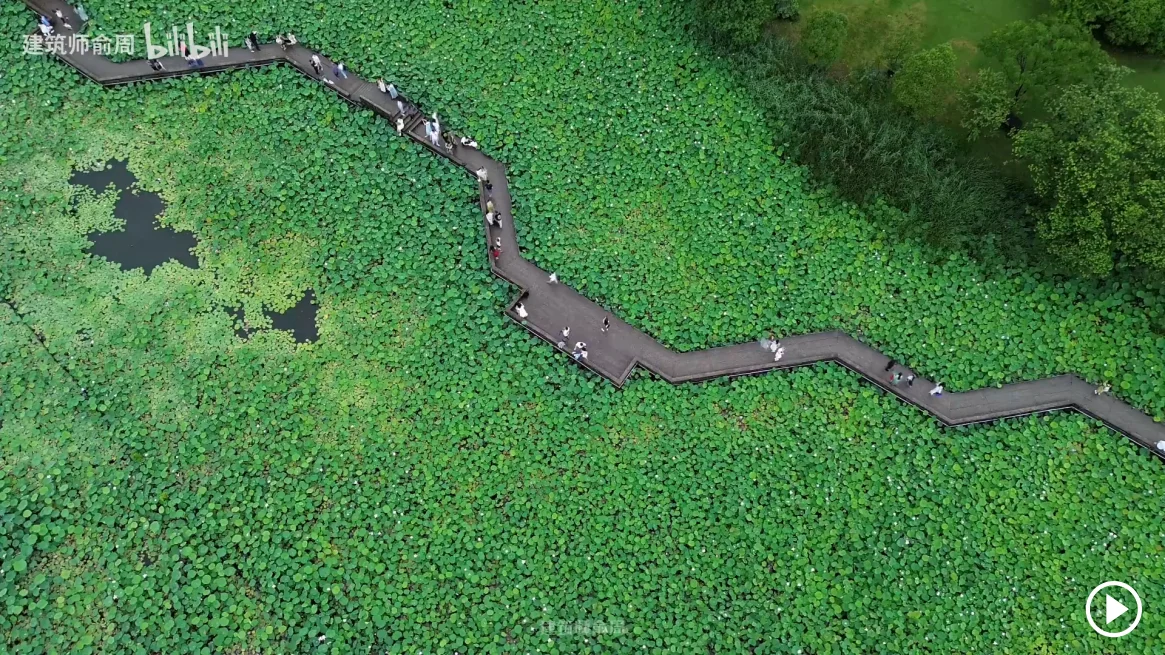
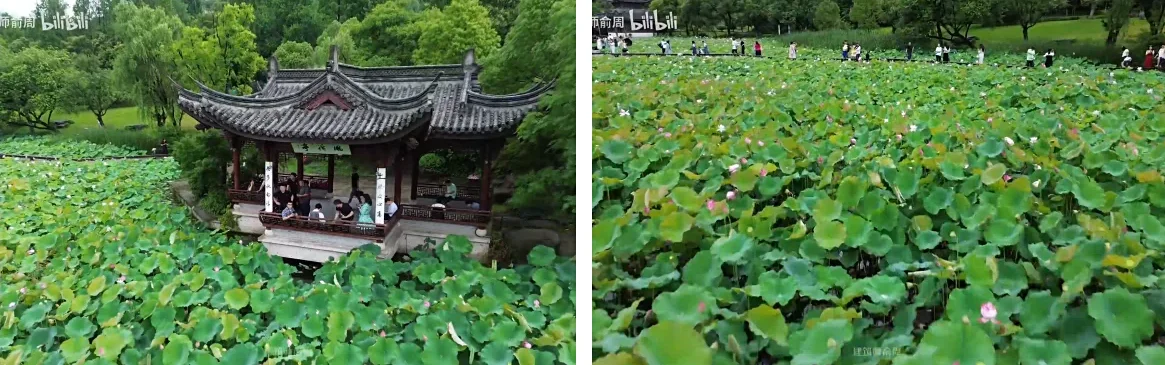
While Hangzhou has many spots to view lotus flowers, the Lotus Garden at Xianghu is unique. It allows you to admire the blooms at close range from lakeside boardwalks or traditional rowing boats. Because it’s further from the city center, it is much more peaceful and less touristy than West Lake.
Best Season: July (Peak bloom)
Hours: 24 hours
Admission: Free
Recommended Visit Time: 30 minutes – 1.5 hours
How to Visit:
- Set your destination to “Xianghu Tourism Resort · Lotus Garden” (湘湖旅游度假区·荷花庄). A stone walkway stretches through the lake, allowing you to view the lotus flowers up close. Visiting before 9am is recommended — not only because the weather is cooler, but also because many lotus flowers begin to close their petals closer to midday
- Set your destination to “Xianghu Flower Sea Rowing Boats” (湘湖花海摇橹船). Here, you can take a traditional hand-rowed boat through the lotus-covered lake for a closer view from the water. Tickets cost ¥69 per person, the ride lasts about 30 minutes, and boats operate from 9am with departures every 20 minutes.
- The Lotus Garden and the boat pier are about 4.3 km (2.7 miles) apart and can be easily connected by a quick 10-minute taxi or Didi ride.
Getting There:
- Xianghu is roughly 20 km (12 miles) from central Hangzhou.
- By Metro (Easiest): Take Line 1 to Xianghu Station and leave via Exit C (湘湖站C口). From there, take a 5-minute taxi or Didi to the Lotus Garden. For navigation apps, use “湘湖旅游度假区·荷花庄”.
- By Taxi / Didi: A direct taxi or Didi ride from downtown Hangzhou takes about 35 minutes, depending on traffic.
Watch: 来这里,才知有比西湖更小清新的湘湖-荷花庄
Watch: Hangzhou #XianghuLakeScenicArea 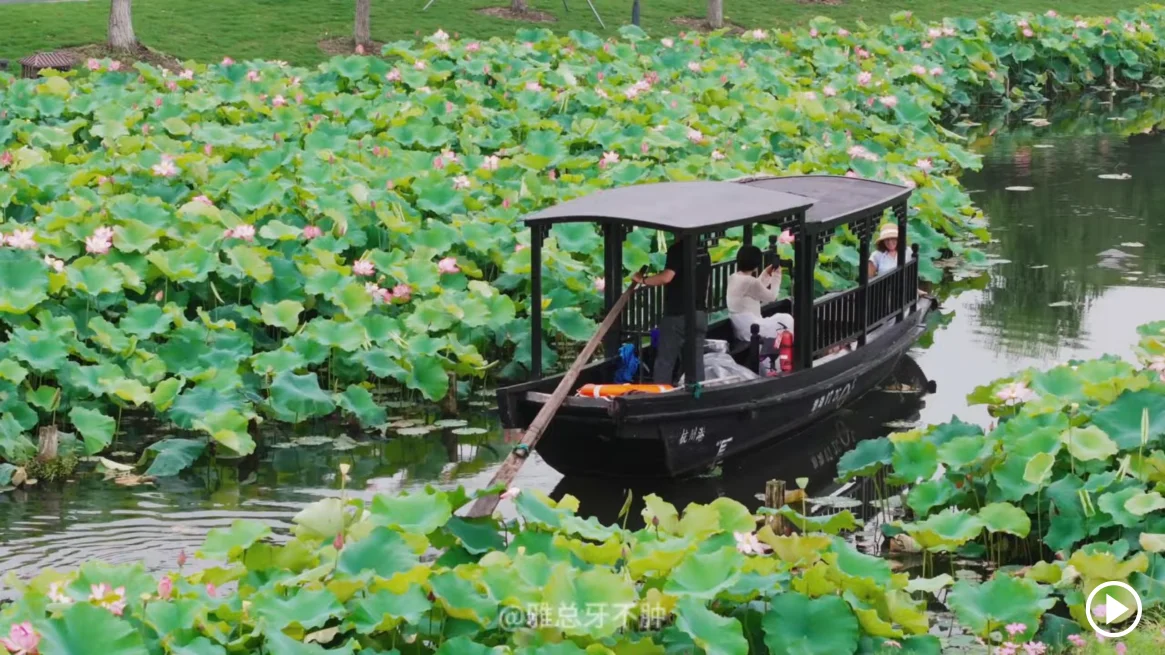

Attractions Near Hangzhou
Qingshan Lake Water Forest
Located in the Lin’an District on the western outskirts of Hangzhou, Qingshan Lake is nearly double the size of West Lake. However, the real draw isn’t the open water—it’s the “Water Forest.” This surreal area is home to thousands of bald cypress trees growing directly out of the lake. From late April through December, the water’s surface is blanketed by bright green floating plants, creating a stunning “matcha green” landscape that looks like something out of a dream.
Best Season: Late April – December (for the green water effect)
Hours: 8:00 AM – 5:00 PM
Admission: General entry is free.
Recommended Visit Time: Around 2 hours.
Paid Activities (Highly Recommended):
While the free sections of the lake are relatively ordinary, the paid areas are where you’ll find the best scenery:
- Boardwalk Scenic Area (¥40): A series of wooden walkways that wind through the heart of the forest. This is the best way to get close-up photos of the “matcha” water.
- Kayaking: This is the most immersive way to experience the forest. You can paddle directly between the trees and through the floating plants.
- Single Kayak: ¥120/hour
- Double Kayak: ¥220/hour
Pro Tips for Visiting:
- Weather Matters: The “wow” factor of the green water is highly dependent on sunlight. On sunny days, the colors are vivid and dramatic; on rainy or overcast days, the effect is significantly muted.
- Beat the Crowds: Weekday mornings are ideal. Expect heavy crowds on weekends and long waits for kayaks.
- Heat Warning: Kayaking in the height of summer (July–August) can be punishingly hot and humid. Bring plenty of water and sun protection.
- Dining: There are local restaurants near the entrance, but many visitors prefer to bring their own picnic.
Getting There:
Qingshan Lake is about 50 km (31 miles) from downtown Hangzhou.
By Metro (Recommended): Take Line 16 to Qingshanhu Station and leave via Exit D (青山湖站D口). From there, it’s about a 15-minute walk to the Water Forest entrance. For navigation apps, use “青山湖水上森林”. There is also a shuttle bus (¥1), but it runs infrequently, so walking is usually faster.
By Taxi / Didi: A taxi or Didi ride from downtown Hangzhou takes about 1.5 hours, depending on traffic, and typically costs around ¥150–200. For navigation, use “青山湖水上森林”.
Watch: This Forest in China Doesn’t Feel Real
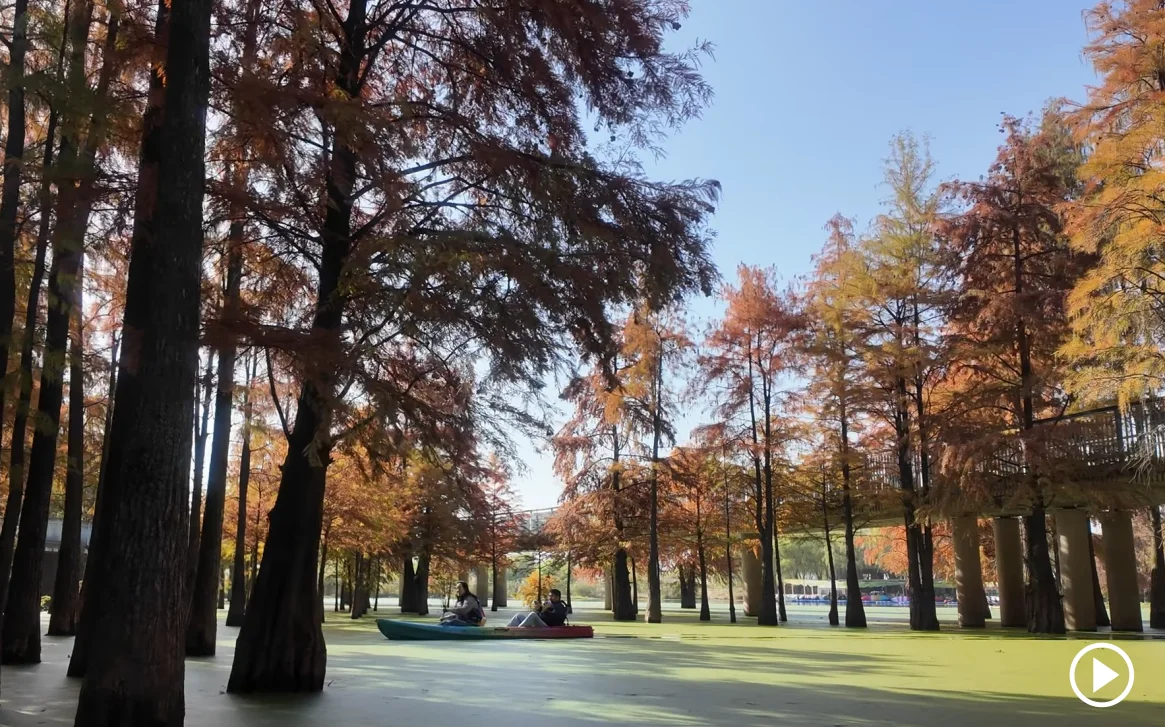
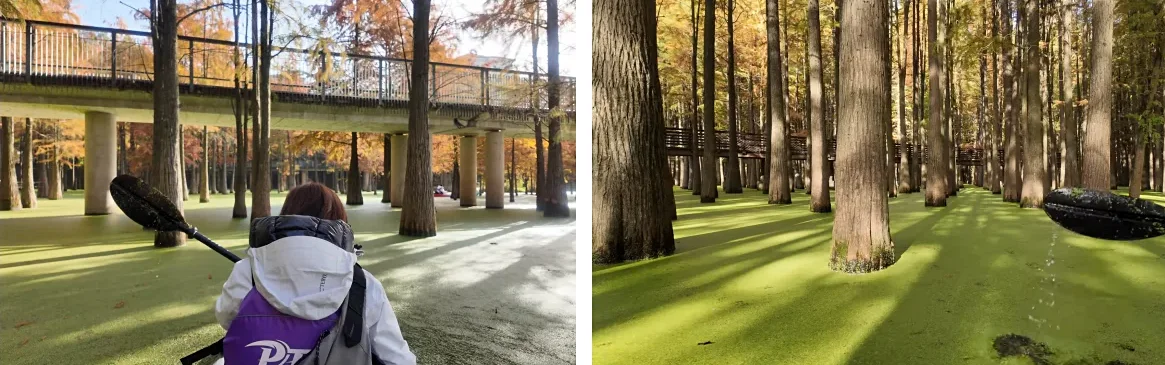
Watch: 杭州一小时就能到的抹茶森林

Watch: 青山湖水上森林,杭州最美的“抹茶绿”,是夏日专属的限定颜色!
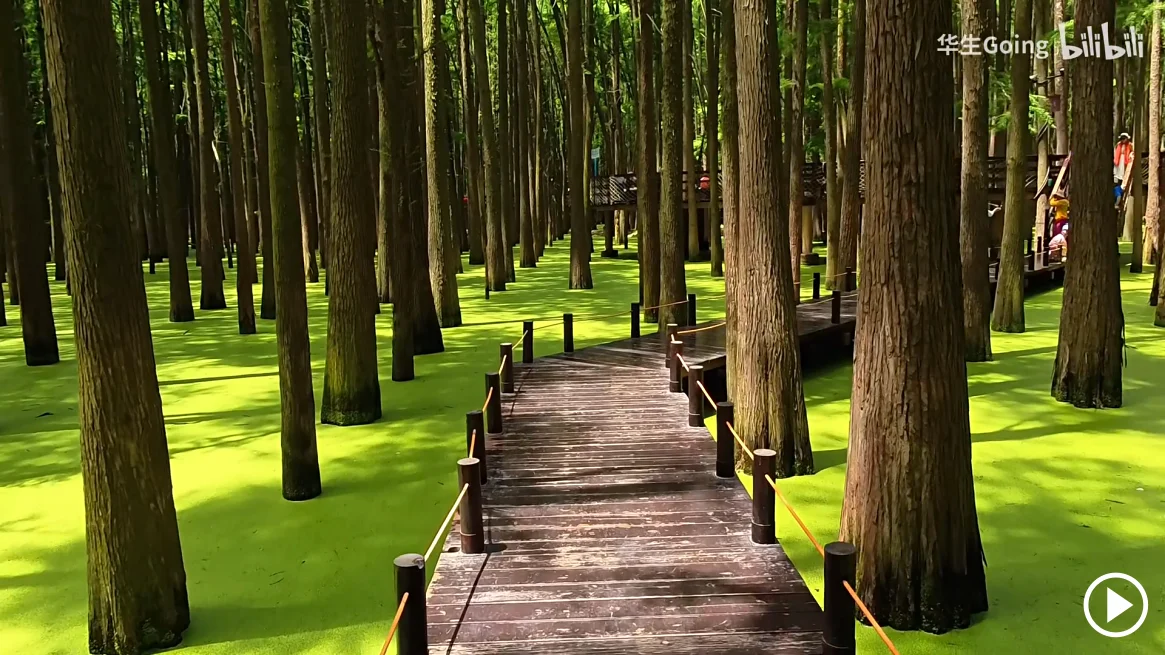
OMG Heartbeat Paradise
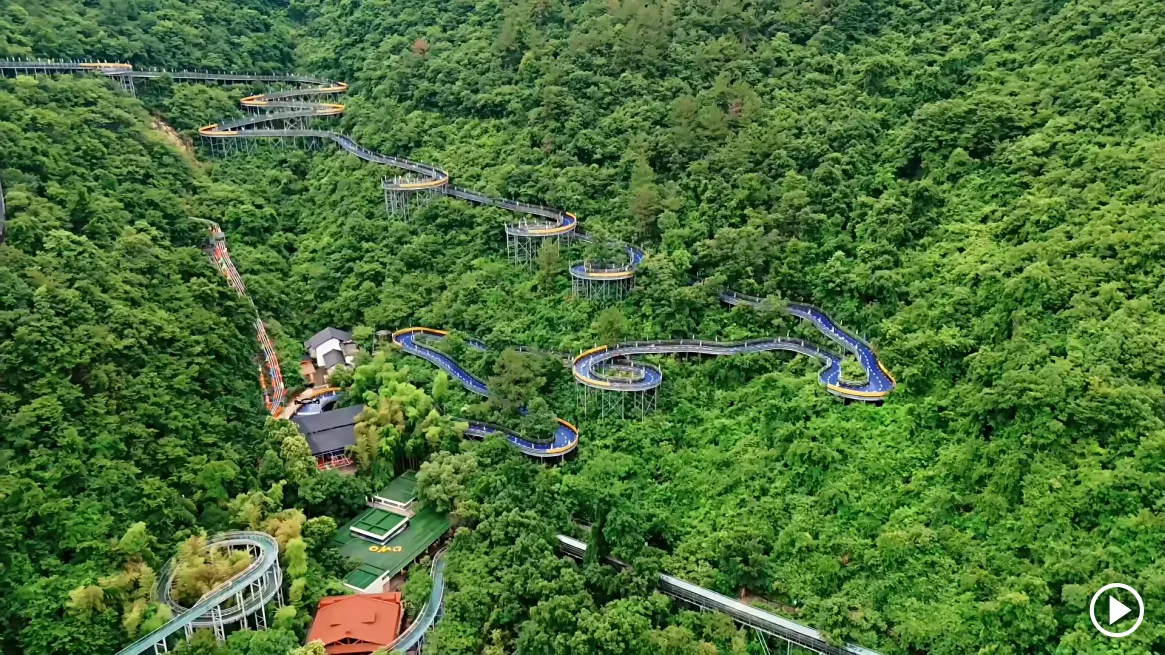
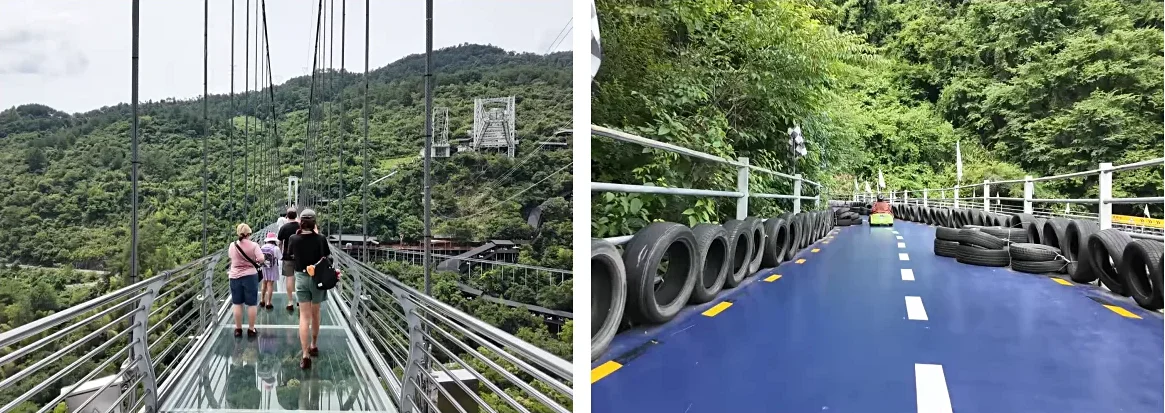
Located in Tonglu County (a county-level city under Hangzhou’s administration), about 90 km (56 miles) southwest of Hangzhou, OMG Heartbeat Paradise is a massive outdoor adventure park. It’s a thrill-seeker’s playground, combining cliffside swings, glass bridges, limestone caves, and mountain slides with dramatic scenery.
Hours: 8:00 AM – 7:00 PM (May have night sessions during summer/holidays).
Admission: Single: ¥399 | Double: ¥699 | Family: ¥899. Tickets can be booked on Trip.com.
Recommended Visit Time: 3–6 hours, depending on crowd levels.
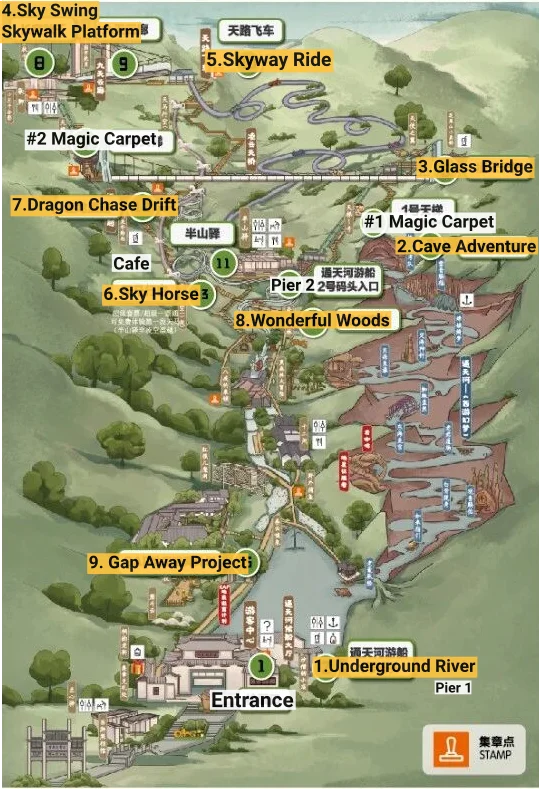
Suggested Route & Highlights:
The park is designed as a linear journey. While you can explore freely, most visitors follow this flow:
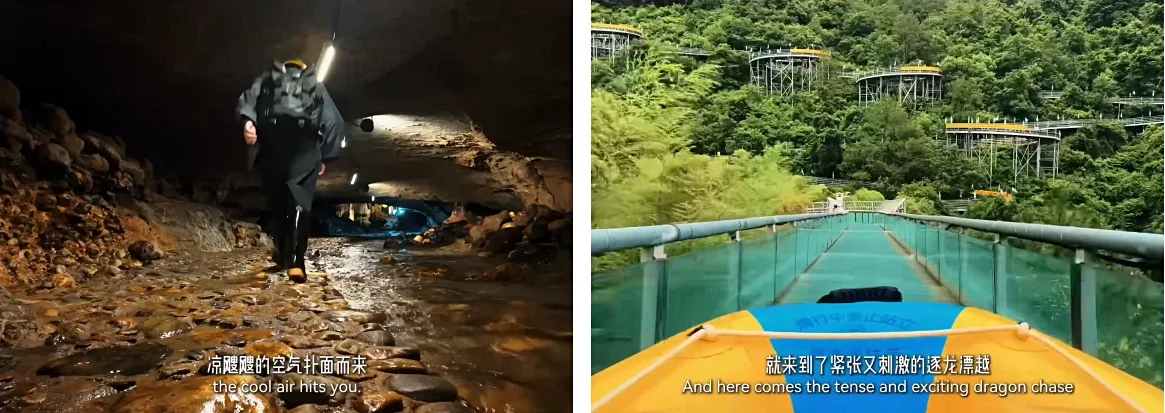
Underground River Boats: A 30-minute boat ride through mysterious illuminated caves.
Cave Adventure: Exploring limestone formations with a helmet. (Note: This costs an extra ¥100 and requires backtracking. It’s great for kids, but adults may find it skippable.)
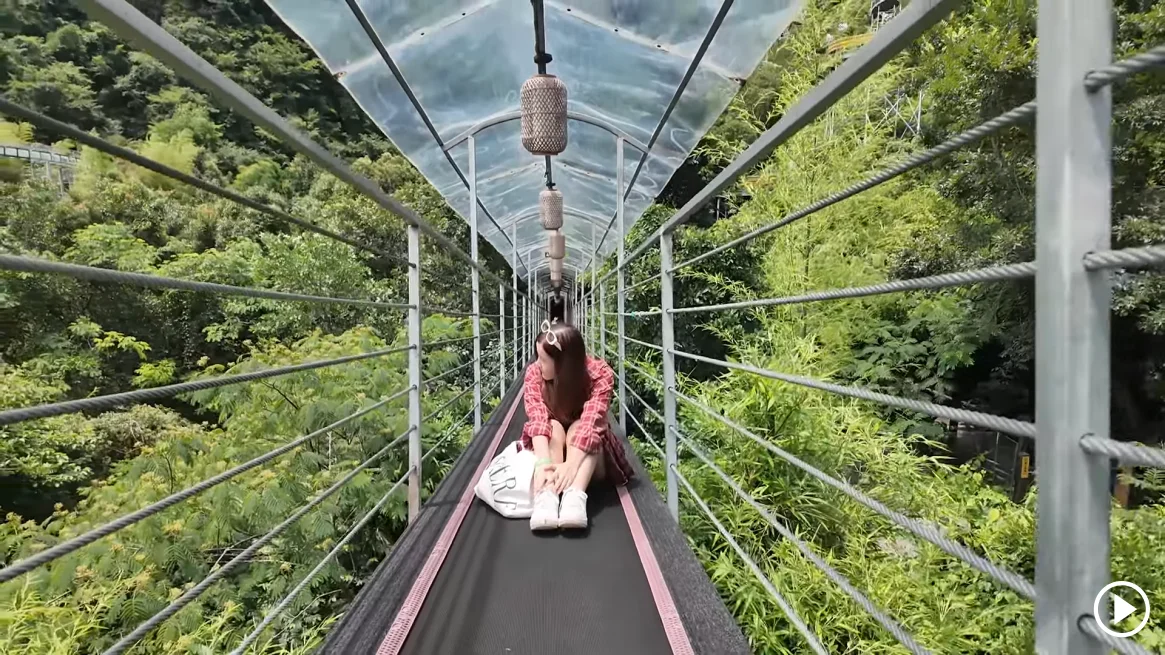
Glass Bridge Skywalk: A 300-meter-long bridge that sways.
Sky Swing & Platform: Adrenaline-pumping cliffside swings and a glass observation deck with panoramic valley views.
Skyway Ride: A 3km mountain slide. Expect the longest queues here (5–8 min ride).
The “Sky Horse”: A very slow, carousel-style uphill ride. Honest Tip: It’s quite uninteresting. If there’s a queue, just walk—it only takes 5–10 minutes and is much faster.
Dragon Chase Drift: A high-speed, 1.3km glass water slide (4–5 min ride). This is a park favorite.
Wonderful Woods: A family-friendly play area featuring sculptures, climbing nets, and other non-powered playground attractions.
Gap Away Project: A cave Via Ferrata experience. (Note: Extra ¥298 fee; takes about 1–1.5 hours.)
Pro Tips for Your Visit:
The “Unlimited” Hack: On certain weekdays between September and March, the park sometimes offers unlimited rides. Check at the ticket office for a wristband upon arrival.
Height Requirements: Children generally need to be at least 90 cm tall for most attractions.
Wait Times: Expect 10-minute waits on weekdays, but prepare for 30–60 minutes per attraction on weekends or holidays.
Luggage: Storage is available for a maximum of ¥20/day.
Getting There:
Direct ride-hailing from Hangzhou is not recommended, as many drivers refuse the long trip due to the “empty return” drive.
Option 1: The Shuttle Bus (Most Convenient) Trip.com operates direct shuttles from central Hangzhou. Pickup Points: Wulin Square (Exit E) or Sofitel Hangzhou Westlake. Fare: ~¥75 one-way.
Option 2: High-Speed Train + Taxi (Most Reliable) Train: Take a high-speed train from Hangzhou East to Tonglu Station (30–40 mins, around ¥40), then continue by taxi to the park (about 45 mins, around ¥100).
Watch: OMG Heartbeat Park in Tonglu: A Lazy Adventurer’s Mountain Playground Near Hangzhou
Watch: OMG Heartbeat Paradise
Other Well-Known Attractions
The following spots are frequently mentioned in travel guides, but depending on your schedule and interests, they may not be worth a dedicated visit.
Lingyin Temple
With a 1,700-year history, this is Hangzhou’s most famous Buddhist complex.
- The Catch: Admission requires a WeChat mini-program reservation. The complex is massive and often swamped with crowds. A visit typically takes 2–4 hours.
- My Advice: If your time is tight, or if you’ve already visited major temples like Jing’an Temple in Shanghai, you can safely skip this.
Wulin Night Market
A massive market with over 400 stalls selling snacks and handicrafts.
- The Catch: It’s a generic Chinese night market—fun, but extremely crowded and not particularly unique to Hangzhou.
- My Advice: Unless you are staying right next to it and want a late-night snack, it’s not worth a special trip.
Xiaohe Straight Street
A restored riverside district with a traditional “water town” aesthetic.
- The Catch: It is very small (only ~300 meters long) and takes about 30 minutes to reach from the center.
- My Advice: If you are already visiting Zhujiajiao (Shanghai) or Pingjiang Road (Suzhou), this will feel repetitive and is not a “must-see.”
Thank you for reading. Hope you have a wonderful journey! ヽ(´▽`)/